Flowers
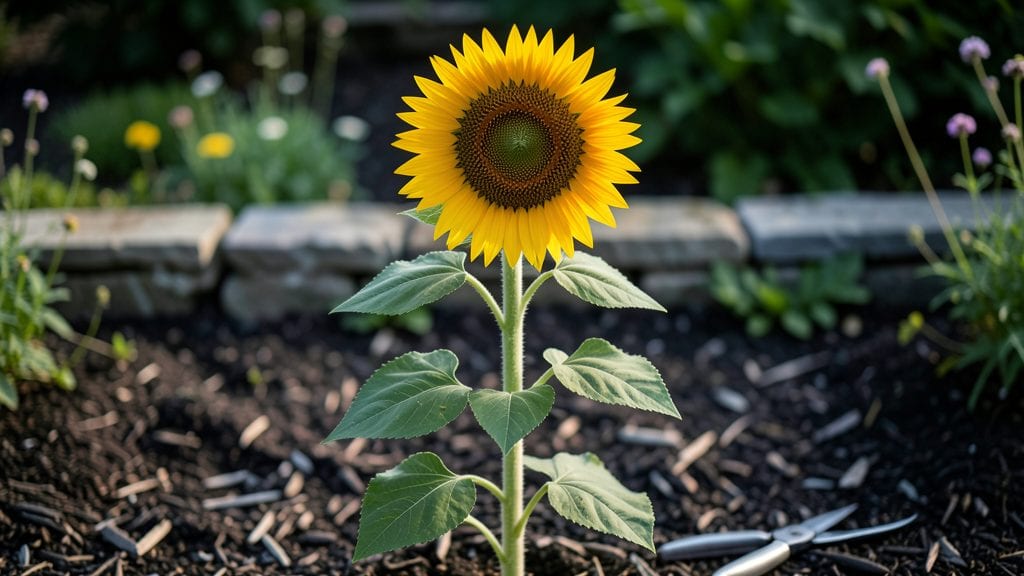
Planting oil sunflowers means 90-day sunbeams in your garden—tall, golden blooms that attract pollinators and yield seeds packed with healthy oil. I’ve grown them for years, and the secret to their speed isn’t magic—it’s timing, soil, and a little patience.
The first sprouts push through the earth within 10 days, and by mid-summer, you’ll have towering stems reaching for the sky. These aren’t just pretty faces; they’re powerhouses that thrive even in tough conditions if you give them the right start.
You’ll need full sun (at least 6-8 hours daily), well-draining soil, and plenty of space—these giants can grow 6-12 feet tall, depending on the variety.
Start seeds indoors 4-6 weeks before your last frost or sow directly after soil warms to 50°F, using a depth of 1 inch. Water consistently but avoid soggy soil, which invites rot.
The payoff? Fast germination, rapid growth, and blooms that turn heads—plus, the seeds are perfect for pressing oil at home.
By day 90, you’ll be harvesting seeds for oil or bird feed, with minimal fuss. The plants handle drought surprisingly well once established, and their deep roots suppress weeds naturally. Even if pests like aphids show up, a strong spray of water or neem oil usually sends them packing.
It’s foolproof for beginners but rewarding enough for veterans—just pick the right variety for your climate.
Pro tip: Dwarf varieties like ‘Russian Giant’ or ‘Mammoth’ stay manageable in smaller gardens, while tall types like ‘Sunflower Oil’ need staking. Rotate crops yearly to keep soil healthy, and save seeds from your best plants for next season.
The faster you plant, the sooner you’ll have a sunflower spectacle that outshines everything else in the yard.
📚 In This Guide
- What you need
- Instructions
- Tips and common mistakes
- Wrapping up and next steps
What you need
- ● Oil sunflower seeds (non-GMO, hybrid varieties like Helianthus annuus—check seed packets for oil-specific traits). Quantity: 10–20 seeds per plant (or 1 lb for ~1,000 sq ft).
- ● Well-draining potting mix or garden soil (amended with compost for nutrients). Specs: pH 6.0–7.5, loamy texture.
- ● Containers or garden bed: Containers: 12–18" deep pots (1 plant per 12" pot) with drainage holes.
- ● Garden bed: Full sun (6+ hours/day), spaced 18–24" apart.
- ● Watering can or hose with a gentle spray nozzle.
- ● Fertilizer (balanced 10-10-10 or organic options like fish emulsion). Apply: At planting and mid-growth.
- ● Gloves (gardening or nitrile for seed handling).
- ● Trowel or hand shovel (for transplanting).
- ○ Mulch (straw or wood chips) to retain moisture. Optional: Black plastic mulch for heat-loving varieties.
- ○ Sunlight meter (optional, to confirm 6+ hours of direct sun).
- ● Pest control: Preventative: Neem oil spray (for aphids/beetles).
- ● Traps: Yellow sticky traps for early pests.
Instructions for planting oil sunflowers with rapid growth
Here’s how to coax those towering sunflowers from seed to full bloom in just 90 days—using proven techniques that cut down on waiting.
Choose the Right Variety and Prepare the Soil
Oil sunflowers like ‘Mordovia’ or ‘Peredovik’ mature fastest, so pick a certified seed packet labeled for oil production. These varieties reach 120+ days to maturity, but with the right conditions, you’ll see dramatic growth spurts in 30-45 days. Clear the planting area of weeds, then loosen the soil to a depth of 12 inches—sunflowers need deep, well-aerated roots to support their height.
Mix in 2-3 inches of compost into the top 6 inches of soil to boost fertility without overloading nitrogen, which can cause leggy stems. Oil sunflowers thrive in full sun (6+ hours daily) and tolerate poor soil better than most edible crops. Test your soil’s pH—aim for 6.0-7.5. If it’s too acidic, spread lime according to package instructions 2-3 weeks before planting to let it integrate.
Plant Seeds at the Correct Depth and Spacing
Direct-sow seeds ½ inch deep and 18-24 inches apart in rows spaced 2-3 feet apart. Crowding stunts growth, so resist the urge to plant more densely. I like to use a seedling marker to label rows—sunflowers grow so fast you’ll forget where you planted them after just a few weeks. Plant 2-3 seeds per hole and thin to the strongest seedling once they’re 4-6 inches tall, using clean scissors to avoid damaging roots.
Water the seeds immediately after planting to settle the soil and provide moisture for germination. Keep the soil consistently moist but not soggy—sunflower seeds rot if waterlogged. Germination typically takes 7-14 days in 60-70°F soil. You’ll know it’s time to thin when the first true leaves (not the initial seed leaves) appear—these are the cotyledons, and they signal the plant’s true growth phase.
Provide Consistent Water and Nutrients for Rapid Growth
Sunflowers are drought-tolerant once established, but deep, infrequent watering in the first 30 days ensures strong root development. Water 1-2 inches per week, delivering moisture directly to the soil (not the leaves) to prevent fungal diseases like powdery mildew. I use a soaker hose for even distribution—sunflowers hate wet foliage, which can lead to stem rot.
Fertilize lightly 3-4 weeks after germination with a low-nitrogen, high-phosphorus fertilizer (like 5-10-10) to encourage flowering. Too much nitrogen produces lush foliage but delays blooming. Watch for yellowing lower leaves—this is normal as the plant matures, but if it spreads upward, it’s a sign of overwatering or nutrient deficiency. Side-dress with compost tea every 4-6 weeks to maintain soil health without chemical inputs.
Monitor for Pests and Support Tall Stems Early
Sunflowers attract sunflower moths and beetles, which can defoliate plants quickly. Handpick larvae or spray with neem oil at the first sign of damage—act fast, because these pests multiply rapidly. I also stake tall varieties (5+ feet) with 3-foot bamboo stakes inserted 6 inches deep at planting. Tie stems loosely with soft garden twine as they grow to prevent snapping in wind or rain.
Here’s the thing—sunflowers grow 1-2 inches per day at peak, so check stakes weekly. If the stem leans, gently guide it upright without binding too tightly. You’ll see bud formation around 45-50 days—this is when the plant shifts energy from leaves to flowers. Reduce water slightly at this stage to encourage stronger stems and prevent lodging (falling over). Harvest seeds when the back of the flower head turns yellow and papery, usually 90-100 days after planting.
Tips & tricks for perfect oil sunflower planting
These insider techniques will help you maximize growth speed and yield for your oil sunflowers, ensuring those 90-day blooms arrive ahead of schedule.
Soil Preparation Secret: The 12-inch deep soil loosening in Step 1 isn't just about aeration—it's about creating a root highway. Use a broadfork to break up compacted layers without turning the soil, which preserves beneficial microbes. I've found that adding a handful of mycorrhizal fungi to the compost mix at this stage gives roots an extra growth boost, especially in the critical first 30 days when roots are establishing their network.
Germination Timing: Those 7-14 days for germination in 60-70°F soil can feel like an eternity, but don't rush it. Plant seeds when nighttime temperatures consistently stay above 55°F—cold soil slows germination dramatically. I've learned to monitor soil temperature with a simple soil thermometer; if it dips below 50°F, germination can stretch to 3 weeks or more, delaying your entire growth timeline.
Watering Strategy: The 1-2 inches per week guideline in Step 3 works perfectly, but timing matters just as much as quantity. Water in the early morning so foliage dries quickly, preventing fungal infections. I've had success using a rain gauge to measure actual rainfall—if you get 1 inch from rain, cut back on supplemental watering that week to avoid over-saturation, which can lead to root rot despite sunflowers' drought tolerance.
Pest Prevention: Sunflower moths and beetles are relentless, but the key to early intervention is vigilance. Start checking plants weekly once they reach 12 inches tall—this is when they become most vulnerable. I've found that mixing neem oil with a bit of dish soap (1 tsp per quart) creates a better sticking solution that lasts longer on the leaves. The moment you see chewed leaves, act immediately—these pests multiply exponentially, and once they've defoliated a plant, it often won't recover in time for your 90-day harvest window.
Pro Tips for Oil Sunflower Plant
- These insider techniques will help you maximize growth speed and yield for your oil sunflowers, ensuring those 90-day blooms arrive ahead of schedule.
- Soil Preparation Secret: The 12-inch deep soil loosening in Step 1 isn't just about aeration—it's about creating a root highway.
- Germination Timing: Those 7-14 days for germination in 60-70°F soil can feel like an eternity, but don't rush it.
Frequently asked questions
Got questions about growing your own oil sunflower plants? We’ve got answers! Here are some of the most common queries from gardeners just like you.
How long does it take for oil sunflowers to grow from seed to harvest?
Oil sunflowers are fast growers—typically ready for harvest in 90–120 days after planting. With the right conditions (full sun, well-drained soil, and consistent water), you can enjoy fresh seeds or oil in just a few months! Early varieties mature in as little as 80 days.
Do oil sunflowers need a lot of water?
While they’re drought-tolerant once established, oil sunflowers thrive with moderate watering—about 1–1.5 inches per week. Focus on keeping soil moist during germination (first 2–3 weeks) and flowering. Overwatering can lead to root rot, so ensure good drainage.
Can I grow oil sunflowers in containers?
Just choose a large pot (at least 12–18 inches deep) with drainage holes. Dwarf varieties like ‘Munchkin’ are ideal for containers. Place them in a sunny spot (6+ hours of light daily) and use a lightweight potting mix to prevent root binding.
Are oil sunflowers good for pollinators?
Yes! Their bright blooms attract bees, butterflies, and birds, making them a pollinator-friendly choice. Plus, they’re low-maintenance and add beauty to your garden while supporting local ecosystems. Just avoid pesticides during flowering.
Why aren’t my oil sunflower seeds producing?
Common culprits include:
- Late planting – Seeds need warm soil (60°F+) to germinate. Start indoors 4–6 weeks before the last frost or direct-sow after danger of frost.
- Overcrowding – Thin seedlings to 12–18 inches apart for better airflow and seed development.
- Poor nutrition – Feed with a balanced fertilizer (10-10-10) at planting and again when buds form.
Wrapping up and next steps
Growing oil sunflower plants is a rewarding journey that brings vibrant blooms and potential harvests in just 90 days! 🌻 Whether you’re a gardening novice or a seasoned pro, these fast-growing beauties offer both aesthetic appeal and practical benefits—from culinary oil to birdseed.
With the right sunflower oil plant variety, soil prep, and care, you’ll enjoy bountiful results.
Ready to dive in? Start by choosing your seeds, prepping your soil, and planting with confidence. Your next step: Mark your calendar, grab your gardening gloves, and watch your sunflowers thrive—one sunny day at a time! 🌱