Pruning
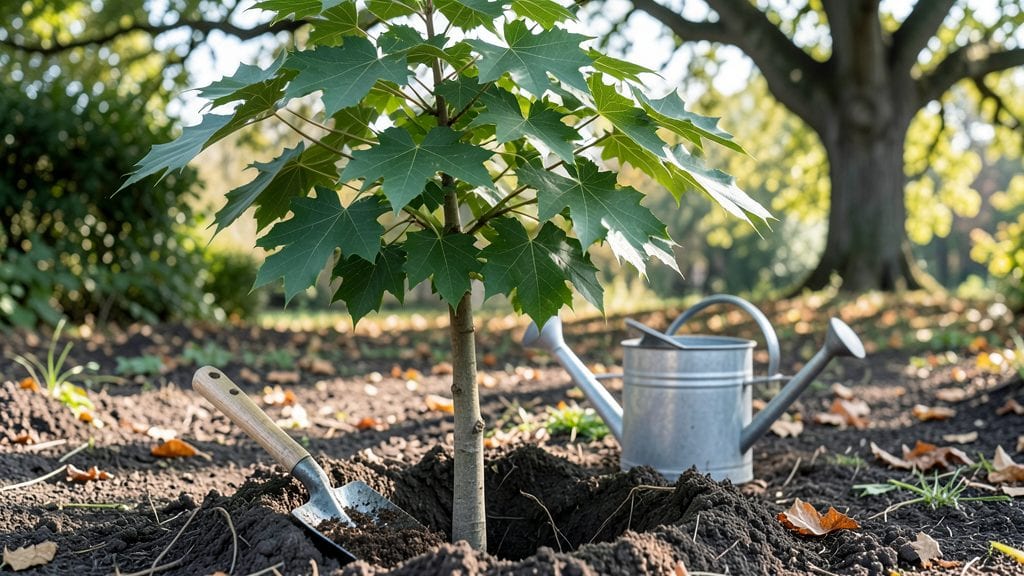
Planting trees in London isn’t just about filling empty spaces—it’s about creating a lasting urban oasis that thrives despite frost, pollution, and tight regulations.
I’ve planted everything from London planes to silver birches in the city, and the key is matching the right species to your spot while working with the local rules. The wrong tree in the wrong place means years of frustration, but the right one? That’s a mini-forest in your backyard.
Start with soil that drains well (London’s clay can be a nightmare if you don’t amend it) and choose a tree that handles urban stress—think native species like field maple or hawthorn for smaller gardens, or London plane for larger spaces.
Check the council’s Tree Preservation Orders first, because planting a protected species without permission can land you in hot water. Most nurseries in the city stock London-friendly varieties, so ask before you buy.
After planting, the first year is critical: water deeply every 10-14 days unless rain does the work for you, and mulch heavily to protect roots from frost. I’ve seen trees wither in their first winter because of poor watering—don’t let that be you.
By spring, you’ll spot new growth, and within five years, that sapling could be shading your patio.
London’s climate throws curveballs—dry summers, wet winters, and air pollution—but the right tree will handle it. Stick to native or adapted species, follow the council’s guidelines, and you’ll have a green giant that outlasts rent rises. Now, grab your shovel and let’s get growing.
📚 In This Guide
- What you need
- Instructions
- Tips and common mistakes
- Wrapping up and next steps
What you need
- ● Tree sapling: Choose a native species (e.g., London Plane, Silver Birch, or Hawthorn) from a reputable nursery. Size: 1–3 meters tall (adjust based on planting space).
- ● Planting hole tools: Shovel (wide, 18–24 inches deep)
- ● Garden spade (for precision digging)
- ● Soil amendments: Compost (1–2 buckets, organic matter for nutrients)
- ● Garden loam (5–10 gallons, improves drainage)
- ● Support system (if needed): Tree stake (1–2 units, 4–6 ft tall)
- ● Tree tie (2–3 units, soft fabric straps)
- ● Watering supplies: Garden hose (with adjustable nozzle)
- ● Watering can (5–10 gallons, for delicate roots)
- ● Mulch: Wood chips (2–3 inches, retains moisture)
- ● Fertilizer: Slow-release, organic (e.g., bone meal)
- ● Pest control: Copper tape (for young trees)
- ● Gloves & knee pads: For comfort during planting
- ● Soil pH tester: Ensures optimal growing conditions
Instructions for planting trees in London’s urban spaces
Here’s how to plant a tree that thrives year-round, even in tight city spots.
Choose the Right Tree and Location
London’s urban climate demands trees that handle compact soil, pollution, and seasonal extremes. Opt for native species like London plane, silver birch, or hornbeam—they’re tough, support local wildlife, and adapt to city conditions. Avoid fast-growing but short-lived varieties like willows; they’ll need replacing sooner and disrupt sidewalks.
Pick a spot with at least 6 feet of clearance from buildings, pavement, and other trees. Check underground utilities with London’s Dial Before You Dig service (0800 085 0111) to avoid striking pipes or cables. The tree’s mature canopy should clear power lines by at least 10 feet—skipping this leads to costly trimming or removal later.
Dig the Hole Properly
Use a shovel to dig a hole twice as wide as the tree’s root ball but no deeper—planting too deep suffocates roots and causes stress. The hole should accommodate the entire root system without bending roots to fit. If the soil is hard clay (common in London), loosen the sides with a fork to improve drainage.
Remove any rocks or debris from the hole. Mix the excavated soil with 20% compost (about 1 gallon per cubic foot of soil) to boost fertility. Avoid heavy amendments like manure—they can burn roots. Test the hole’s depth by placing the root ball inside; the top should sit 1-2 inches below ground level when backfilled.
Plant with Care to Ensure Stability
Place the tree in the hole, ensuring the root flare (where roots meet the trunk) is visible above the soil line. Fill the hole with the amended soil, tamping gently every 6 inches to eliminate air pockets. Water deeply as you go to settle the soil and encourage root contact.
Stake the tree only if necessary—most mature trees in London don’t need support, but young specimens in windy areas benefit from one or two stakes placed diagonally. Secure the tree loosely with soft ties (never wire or plastic that can girdle the trunk). Mulch the base with 2-3 inches of wood chips, keeping it 6 inches away from the trunk to prevent rot.
Water and Monitor for Early Growth
Water the tree deeply twice a week for the first month, then taper to once a week once established. London’s clay soil holds moisture but drains poorly—overwatering is just as harmful as drought. Check soil moisture by inserting a finger 2 inches deep; if dry, water until it’s moist but not soggy.
Watch for new leaf growth in 4-6 weeks—this signals the tree is rooting well. If leaves yellow or wilt, adjust watering or check for pests like vine weevils (common in urban soil). Prune only to remove dead branches; avoid heavy trimming in the first year, as it stresses young trees.
Maintain Long-Term Health in Urban Conditions
Fertilize lightly in spring and autumn with a balanced, slow-release fertilizer (10-10-10). London’s polluted air can scorch leaves, so hose foliage weekly during summer to wash away grit. Monitor for compaction—walking or driving over the root zone can smother growth. If the area becomes a high-traffic path, install gravel or stepping stones to protect roots.
Inspect the tree annually for cracks, fungal growth, or pest damage. London’s urban heat islands can stress trees, so mulch annually to retain moisture and cool roots. By year three, your tree should be self-sufficient—just enjoy the shade and wildlife it attracts!
Tips & tricks for planting trees in London’s urban spaces
London’s urban environment presents unique challenges for tree planting, but these practical tips will help you create a thriving green space that lasts for years.
Species Selection Wisdom: When choosing between native species like London plane or silver birch, consider the specific conditions of your planting site. London plane trees handle pollution and compacted soil exceptionally well, making them ideal for busy streets, while silver birch thrives in slightly less urbanized areas with better drainage. If you're planting near a busy road, the London plane's tolerance for air pollution will give it a significant advantage over other species.
Soil Preparation Secret: In Step 2, when amending your excavated soil with 20% compost, consider adding a handful of mycorrhizal fungi to the mix. These beneficial fungi form symbiotic relationships with tree roots, enhancing nutrient uptake and drought resistance. You can find mycorrhizal inoculants at most garden centers—just follow the package instructions for proper application. This small addition can make a noticeable difference in your tree's early establishment, especially in London's challenging urban soil.
Staking Strategy: When deciding whether to stake your tree in Step 3, remember that most London trees don't actually need support once established. However, if you do use stakes, place them diagonally rather than parallel to each other. This creates a more stable triangle configuration that better resists wind forces. Always use soft ties that won't girdle the trunk, and check them periodically to ensure they're not too tight as the tree grows.
Watering Watch: The twice-weekly watering schedule in Step 4 works well for most London conditions, but be extra vigilant during the first growing season. Early signs of drought stress include wilting leaves in the afternoon (they recover overnight) or leaves that feel dry to the touch. In particularly hot summers, you might need to water every other day until the tree shows signs of establishing its root system, typically after those first 4-6 weeks of new leaf growth.
Pro Tips for Tree Planting London
- London’s urban environment presents unique challenges for tree planting, but these practical tips will help you create a thriving green space that lasts for years.
- Species Selection Wisdom: When choosing between native species like London plane or silver birch, consider the specific conditions of your planting site.
- Soil Preparation Secret: In Step 2, when amending your excavated soil with 20% compost, consider adding a handful of mycorrhizal fungi to the mix.
Frequently asked questions
Got questions about planting trees in London’s urban landscape? Here are some of the most common ones—and their answers—to help you get started with confidence!
When is the best time to plant a tree in London?
The ideal window is late autumn (November) to early spring (March), when the ground isn’t frozen. London’s mild winters make this a great time—just avoid planting during heavy frost or waterlogged soil. For container-grown trees, you can plant year-round, but spring and autumn still offer the best success rates.
How close to my house or sidewalk can I plant a tree?
London’s Tree Preservation Orders (TPOs) and planning laws typically require a minimum of 3 meters (10 feet) from buildings and 1.5 meters (5 feet) from sidewalks. Always check with your local council before digging—some areas have stricter rules for large species like oaks or willows.
Are there free or subsidized tree-planting programs in London?
Yes! Organizations like The London Tree Officers Association and The Woodland Trust offer free or low-cost tree-planting schemes, especially for community projects. The London Borough of Trees initiative also provides support for schools and residents. Check local councils for grants or workshops.
How often should I water a newly planted tree in London’s climate?
For the first 12 months, water deeply once a week (more in dry spells or summer heatwaves). London’s clay soil retains moisture, but young roots need consistency. Mulch around the base to lock in moisture—just keep it 3-4 inches away from the trunk to prevent rot.
What should I do if my tree isn’t growing after a year?
First, check for root rot, pests (like vine weevils), or poor soil drainage. London’s compacted soil can stunt growth—amend it with compost or organic matter. If the tree is small, consider staking it temporarily for support. For persistent issues, consult an Arboricultural Association-certified arborist.
Still unsure? Drop your question in the comments—we’re happy to help you grow London’s green future!
Wrapping up and next steps
Planting trees in London isn’t just about adding greenery—it’s a powerful act of sustainability that benefits the city, wildlife, and future generations. 🌳 Whether you’re a seasoned gardener or a beginner, every tree you plant makes a difference, turning urban spaces into thriving oases.
Now’s the perfect time to take action—start small, think big, and grow London’s green future, one seedling at a time!
Ready to make an impact? Research local planting events, connect with community groups, or start your own project today. Your next step could be as simple as reaching out to London’s Tree Officers or grabbing a shovel—the earth is waiting for you!