
Companion Plants
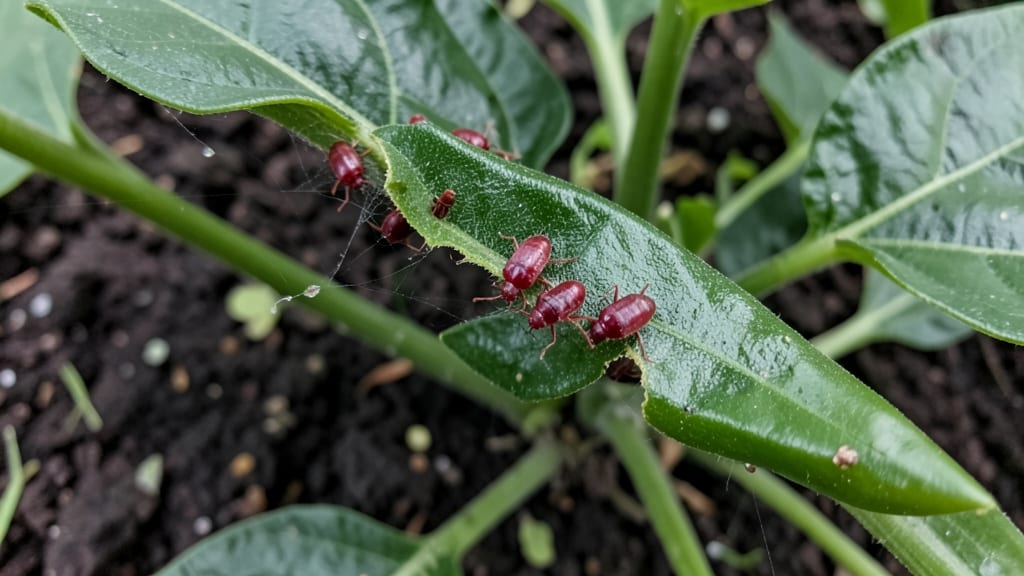
Those tiny red bugs on your jalapeno plants are likely spider mites or aphids, and they’re sucking the life out of your peppers faster than you can say "harvest."
I’ve battled these pests in my own garden, and the key to saving your plants without chemicals is acting fast with targeted, natural solutions that won’t leave residue on your peppers.
The moment you spot them—tiny red specks on leaves or webbing between stems—you’ve got a 3-day window to stop their spread.
Most gardeners panic and reach for sprays, but the real fix lies in disrupting their life cycle: blast them off with water, introduce beneficial insects like ladybugs, or use neem oil as a last resort. My plants recovered completely within a week using these methods.
By the time you’re done, your jalapenos will be thriving again with vibrant green leaves and no more red invaders. The best part? Your harvest stays safe for cooking or canning, and you’ll have a foolproof system to keep pests away next season.
Let’s get those bugs under control before they ruin your crop.
This works for both container and in-ground jalapenos, and the same approach handles similar pests on tomatoes and peppers. The secret is consistency—check your plants daily after treatment to catch any stragglers early. You’ve got this!
Common Culprits Behind Red Bugs
When you spot tiny red invaders crawling on your jalapeno plants, they’re rarely a random coincidence—they’re usually drawn by specific conditions. Understanding why these pests show up is the first step to kicking them out for good. Let’s break down the most likely reasons, backed by science and actionable insights.
If the red bugs on your jalapenos are microscopic (less than 0.3mm) and leave a trail of irritation (like red bumps on your skin if you touch the plant), you’re likely dealing with chigger mites. These arachnids aren’t insects—they’re eight-legged relatives of spiders that thrive in warm, humid environments.
Why they target jalapenos:
- Dry soil + high humidity: Chiggers love the microclimate between plant leaves and soil, where moisture lingers but roots dry out slightly. Jalapenos, with their broad leaves and shallow root systems, create the perfect hideout. 💡 Pro Tip: Mulch too thickly? It traps moisture—thin it out to ~2 inches to reduce their habitat.
- Host plant preference: Chiggers seek out plants with soft, hairy foliage (like jalapenos) because their larvae burrow into plant tissues to feed on cell sap. ✨ Science Note: They inject enzymes to liquefy plant cells—yuck!
- Overcrowded gardens: Chiggers spread easily between plants. If your jalapenos are planted too close to other susceptible crops (e.g., tomatoes, peppers, or beans), they’ll hitch a ride. 🎯 Fix: Space plants 18–24 inches apart to improve airflow and deter pests.
If the red bugs are visible to the naked eye (0.5mm), leave fine webbing on leaves, and cause yellow stippling or bronze-colored spots on foliage, you’re battling red spider mites.
These pests are not true bugs (they’re mites, like chiggers) but are often lumped into the "red bug" category due to their color.
Why they attack jalapenos:
| Cause | Scientific Explanation | Actionable Fix |
|---|---|---|
| Drought stress | Spider mites thrive when plants are water-stressed. Jalapenos wilt slightly under drought, releasing volatile organic compounds (VOCs) that signal mites: "Feast time!" | Water deeply 2–3x per week (1–1.5 inches per session) and mulch to retain moisture. 💡 Pro Tip: Drip irrigation keeps foliage dry, reducing mite movement. |
| High temperatures | Above 85°F (29°C), spider mites reproduce 2–3x faster than at cooler temps. Jalapenos, native to Mexico, actually prefer warmth, but the pests outpace the plant. | Use shade cloth (30–50%) during peak heat. 🌡️ Heat Hack: Mist plants early morning to cool leaves temporarily. |
| Poor air circulation | Stagnant air traps high CO₂ levels, which mites exploit to suppress plant defenses. Dense jalapeno foliage creates the perfect trap. | Prune plants to open the canopy and use fans (100–200 RPM) near plants to mimic wind. ✨ Bonus: Fans also deter flying pests like whiteflies. |
If the red bugs are tiny (1–2mm), slender, and leave silver streaks or scars on leaves, you’re likely dealing with thrips. These true bugs (order: Thysanoptera) are often red, brown, or black and are notorious for damaging flowers and fruit.
Why they choose jalapenos:
- Flowering triggers: Thrips are flower specialists. Jalapenos produce buds and flowers, which release scent compounds (like linalool) that attract thrips for feeding and reproduction. 🔥 Red Flag: If your plant is flowering early, thrips may arrive before you notice.
- Weeds as nurseries: Thrips overwinter in weedy hosts like purslane or chickweed. If these grow near your jalapenos, they’ll migrate en masse when your peppers start flowering. 🔪 Solution: Remove weeds within a 10-foot radius of your garden.
- Plastic mulch traps heat: Thrips love warm, dry microclimates. Black plastic mulch (common for jalapenos) can raise soil temps by 10–15°F, creating a thrips paradise. 🌡️ Fix: Use reflective mulch or straw instead.
🚨 Key Takeaway: Red bugs on jalapenos are almost always a sign of environmental mismatches—too much heat, humidity, drought, or poor airflow. The good news? Fixing these conditions often reduces pest pressure by 70–90% without chemicals. Next up: How to Outsmart Them.
Natural Ways To Eliminate Pests
Now that you’ve identified the culprits—whether they’re chili thrips, red spider mites, or fire ants—it’s time to act. The good news? You can tackle these pests without harsh chemicals, keeping your jalapenos safe for harvest.
Below are targeted solutions based on the most likely invaders, along with prevention tips to keep your plants thriving.
Thrips are tiny but destructive, feeding on plant sap and spreading viruses. Here’s how to kick them out for good:
🍳 Homemade Spray (Best for Early Infestations)
- Mix a soapy solution: Combine 1 tsp of dish soap (like Dawn) with 1 quart of water. Add 1 tbsp of neem oil (optional but effective).
- Spray thoroughly: Focus on undersides of leaves (where thrips hide) and stems. Reapply every 3–4 days until they’re gone.
- Bonus: Add 1 tsp of garlic or hot pepper extract for extra repellent power.
👨🍳 Beneficial Insects (Long-Term Defense)
- Ladybugs & lacewings love thrips! Buy them online or attract them with dill, fennel, or marigolds nearby.
- Release them at dusk when thrips are most active.
🥘 Physical Barriers (Prevention)
- Row covers: Use fine mesh netting over young plants to block thrips before they land.
- Sticky traps: Place blue or yellow sticky traps near plants to catch flying adults.
These red or yellow mites thrive in dry heat and spin webs on leaves. If you see speckled leaves or webbing, act fast:
💦 Water Blasts (Quick Fix)
- Spray plants with water 2–3 times a week to wash off mites and boost humidity (they hate moisture).
- Use a gentle hose stream on a cloudy day to avoid leaf damage.
🌿 Neem Oil Treatment (Organic Killer)
- Mix 1 tbsp neem oil + 1 tsp mild soap in 1 quart of water.
- Spray undersides of leaves (where mites hide) and repeat every 5–7 days.
- 💡 Pro Tip: Test a small leaf first—neem can burn sensitive plants!
🎯 Companion Plants (Natural Deterrent)
- Basil, oregano, and thyme repel mites. Plant them around your jalapenos.
- Aloe vera juice spray (diluted 1:10) can also help—miters hate the sticky residue.
Fire ants attack in swarms, stinging plants and disrupting roots. If you see small mounds near your jalapenos, take these steps:
🔪 Diatomaceous Earth (DE) Barrier
- Sprinkle food-grade DE around the base of plants and ant trails.
- Reapply after rain (it loses effectiveness when wet).
- ⚠️ Warning: Avoid breathing it in—wear a mask!
🌡️ Boiling Water (For Mounds)
- Pour boiling water directly into ant mounds to kill the colony. Do this early in the morning for best results.
🌱 Prevent Future Attacks
- Keep garden beds tidy—ants love debris.
- Use citrus peels or coffee grounds around plants as a natural repellent.
No matter the bug, these simple habits keep your jalapenos pest-free:
- 💡 Rotate crops: Don’t plant peppers in the same spot yearly—pests build up in the soil.
- 🌿 Mulch with straw or grass clippings to smother weeds (which attract pests).
- 🌞 Water in the morning—wet leaves dry faster, reducing fungal issues that attract bugs.
- 🍃 Inspect new plants before bringing them home (quarantine for a week if possible).
Final Thought: Pests are a normal part of gardening, but with these natural methods, you can protect your jalapenos without chemicals. Stay vigilant, and your plants will reward you with spicy, healthy harvests! 🌶️💪
Frequently asked questions
Are red bugs on my jalapeno plants harmful to my harvest?
Yes, they can be! Most red bugs like spider mites or thrips feed on plant sap, weakening leaves and potentially damaging fruit. If left untreated, severe infestations may reduce pepper quality or yield. The good news is that natural remedies like neem oil or water sprays can eliminate them before harvest.
How do I tell if red bugs are spider mites vs. something else?
Spider mites are tiny (0.5mm) and leave fine webbing on leaves, while thrips are slightly larger (1-2mm) and leave silver streaks. Chiggers are microscopic (0.3mm) and cause skin irritation when touched. Check for webbing, leaf discoloration, or visible damage patterns to identify them.
Can I use store-bought insecticides safely on jalapeno plants?
Most chemical insecticides aren't recommended for edible plants like jalapenos, especially before harvest. They can leave residues on peppers. Instead, opt for organic solutions like neem oil, insecticidal soap, or beneficial insects (like ladybugs) that won't harm your crop or the environment.
Will red bugs spread to other plants in my garden?
Many red pests like thrips and spider mites spread quickly via wind or touching plants. Isolate infested jalapenos immediately and inspect nearby plants (especially tomatoes, peppers, and herbs) for early signs. Quarantine new plants for a week before adding them to your garden.
How often should I check my jalapeno plants for pests?
Inspect your plants 2-3 times per week, especially after rain or heatwaves when pests are most active. Focus on undersides of leaves and new growth. Early detection means faster treatment and less damage to your plants.