
Planting
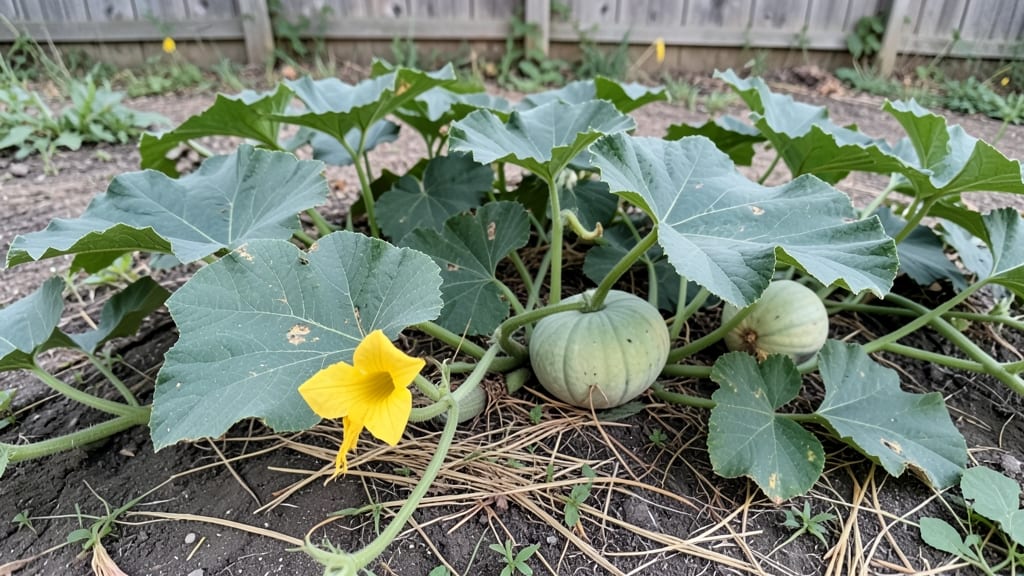
Mastering pumpkin plant identification early saves you from confusion—and wasted effort. 🌱 I’ve spent years distinguishing between Cucurbita pepo’s lobed leaves and C. maxima’s broad, maple-like foliage, and once I learned these traits, my garden’s care strategy completely changed.
The right ID means you’ll water, fertilize, and prune for the plant’s actual needs, not what you guessed it was.
Start with the leaves: C. pepo varieties like jack-o’-lanterns have deep, jagged lobes, while C. maxima (like giant pumpkins) grow smoother, rounded edges. Vine thickness matters too—C. moschata (like butternut squash) sends out wiry, sprawling vines, while C. pepo stays bushier.
Even immature plants show these clues if you look closely at the stem hairs and leaf texture.
Once you spot these traits, you’ll know exactly how to support your plants. C. pepo thrives with less space, C. maxima needs heavy mulch, and C. moschata prefers warm soil.
Misidentifying them can mean stunted growth or pest problems you never expected. The payoff? A harvest tailored to your plants’ true nature.
This works for backyard patches, raised beds, or even container gardens—just watch for those early signs. With practice, you’ll spot the differences faster than weeds pop up. Let’s get those plants correctly identified so you can grow them right.
Common Causes of Misidentifying Pumpkin Plants
Accurately identifying pumpkin plants can be tricky, especially for beginners or gardeners unfamiliar with their unique traits. Misidentification often stems from a mix of natural plant behaviors, environmental factors, and human error.
Below, we break down the most common reasons why pumpkin plant identification goes wrong—and how to avoid these pitfalls.
Young pumpkin plants closely resemble other squash or vine crops, like zucchini or cucumbers, during their early growth stages. Since pumpkin seedlings grow rapidly, their first leaves (called cotyledons) and early true leaves may look similar to those of other cucurbits.
- Why it happens: Pumpkin seedlings develop lobed leaves later in their growth cycle, but these traits aren’t visible until the plant is 3–4 weeks old. Before then, their leaves can appear smooth and rounded, much like cucumber leaves.
- Actionable fix:
- Wait for the second set of true leaves (not cotyledons) to appear. Pumpkin leaves will start showing deep indentations and jagged edges.
- Check the stem texture. Pumpkin stems are hairy and rough, while cucumber stems are smoother and often glabrous (hairless).
Pumpkin leaves come in a stunning array of shapes, sizes, and lobing patterns—some varieties even mimic other plants. For example, Cucurbita pepo (squash) and Cucurbita moschata (some pumpkin types) can have leaves that look almost identical at first glance.
- Why it happens:
- Genetic diversity: Some pumpkin varieties, like Jack Be Little or Sugar Pie, have leaves with shallower lobes compared to classic pumpkins, making them resemble zucchini or pattypan squash.
- Environmental stress: Poor soil, drought, or excessive heat can cause leaves to curl, yellow, or develop irregular shapes, further obscuring identification.
- Actionable fix:
- Look for characteristic pumpkin leaf traits:
- Deeply lobed (3–7 pointed sections).
- Coarse, sandpapery texture on the underside.
- Stems with tendrils (climbing vines) or hairy, angular stems (bush varieties).
- Compare with a reference guide or app like PlantNet to match leaf shapes.
- Look for characteristic pumpkin leaf traits:
Pumpkin vines can sprawl, climb, or bush out depending on the variety, leading to confusion with other sprawling plants like melons or gourds. Some gardeners mistake pumpkin vines for bitter melon or winter squash because of their similar growth habits.
- Why it happens:
- Trailing vs. bush varieties: Some pumpkins (like Jarrahdale) grow as bushy plants, while others (like Howden) send out long, trailing vines. This can make them look like cucumbers or melons.
- Tendril development: Pumpkins produce simple tendrils (single, coiled structures) at leaf axils, whereas cucumbers have branched tendrils.
- Actionable fix:
- Observe the vine’s base. Pumpkin vines often emerge from a large, hairy stem near the soil, while cucumber vines are thinner and smoother.
- Check for flowers. Pumpkin flowers are large, yellow, and single-sexed (male and female on separate plants or the same plant). Cucumber flowers are smaller and often white or greenish.
Heat, cold, or poor soil conditions can drastically change how a pumpkin plant looks, making identification nearly impossible without knowing its true variety. Stress can cause leaves to yellow, wilt, or develop abnormal shapes, mimicking disease or pest damage.
- Why it happens:
- Nutrient deficiencies: Lack of magnesium causes interveinal chlorosis (yellowing between leaf veins), while nitrogen deficiency leads to small, pale leaves.
- Extreme temperatures: Cold snaps can stunt growth and cause purpling of leaves, while excessive heat leads to leaf scorch or crinkling.
- Overwatering or drought: Both can cause leaf curling or drooping, making plants look unhealthy or even dead.
- Actionable fix:
- Take close-up photos of leaves, stems, and flowers to compare with healthy reference images.
- Check the plant’s origin. If you grew it from seed, refer to the seed packet description for expected traits.
- Use a soil test kit to rule out nutrient deficiencies affecting leaf appearance.
Pests like cucumber beetles or diseases such as powdery mildew can alter pumpkin leaves so much that they resemble entirely different plants. For example, mildew-covered leaves may look white and fuzzy, while beetle feeding can create irregular holes or yellowing.
- Why it happens:
- Pests: Squash vine borers cause wilted, blackened stems, while aphids distort leaves and cause sticky residue.
- Fungal infections: Downy mildew creates purple or yellow spots on the underside of leaves, while bacterial wilt causes sudden wilting.
- Actionable fix:
- Inspect the underside of leaves for pests or fungal growth.
- Look for secondary signs, like chewed edges (beetles) or black sooty mold (aphids).
- If in doubt, isolate the plant and treat it for pests/diseases before assuming it’s a misidentified variety.
Quick Fixes for Common Pumpkin Plant Issues
Pumpkin plants are resilient, but even the hardiest vines can struggle if you don’t catch problems early. Below are practical, step-by-step solutions for the most common issues—plus prevention tips to keep your pumpkins thriving. 🌱🔧
Cause: Too much water, poor drainage, or lack of nitrogen/magnesium.
How to Fix It: 🔹 Adjust Watering – Pumpkins hate soggy roots. Water deeply 1–2 times per week (depending on climate) and ensure soil drains well. Use a moisture meter or stick your finger 2 inches deep—if it’s damp, wait. 🔹 Fertilize Smartly – Yellowing from deficiency? Use a balanced fertilizer (10-10-10) or compost. For magnesium deficiency (yellow edges), apply Epsom salt (1 tbsp per gallon of water) every 2 weeks. 🔹 Check for Pests – Aphids or spider mites can stress plants. Spray with neem oil or introduce ladybugs for natural control.
Prevent It: ✅ Mulch with straw to retain moisture without drowning roots. ✅ Test soil pH (ideal: 6.0–7.0) to avoid nutrient lockout.
Cause: Drought stress, fungal infections (like powdery mildew), or sunscald.
How to Fix It: 🔹 Water at the Base – Avoid wetting leaves to prevent mildew. Use drip irrigation or water early in the morning. 🔹 Prune Damaged Foliage – Snip off brown leaves with sterilized scissors to stop spread. 🔹 Fungal Treatment – Mix 1 tsp baking soda + 1 tbsp oil + 1 tsp soap per gallon of water. Spray leaves weekly for mildew. 🔹 Shade Cloth – If leaves are scorched, provide 30% shade during peak sun (10 AM–4 PM).
Prevent It: 💡 Space plants 3–5 feet apart for airflow. 💡 Rotate crops yearly to prevent soil-borne diseases.
Cause: Cucumber beetles, squash bugs, or deer (yes, really!).
How to Fix It: 🔹 Handpick Pests – Check leaves daily. Drop beetles into soapy water. 🔹 Row Covers – Use floating fabric early in the season to block adults. 🔹 Traps & Sprays – Place yellow sticky traps near plants. For squash bugs, spray kaolin clay (a natural repellent). 🔹 Beneficial Insects – Release parasitic wasps or tachinid flies to target pests.
Prevent It: ✨ Plant trap crops like radishes or nasturtiums to distract pests. ✨ Interplant with herbs (basil, marigolds) to deter beetles.
Cause: Compacted soil, root rot, or transplant shock.
How to Fix It: 🔹 Loosen Soil Gently – Use a hand fork to aerate around roots (avoid damaging vines). 🔹 Repot if Needed – If roots are circling, transplant into larger containers with fresh compost. 🔹 Root Stimulator – Soak roots in hydrogen peroxide (3%) for 10 minutes before replanting to prevent rot.
Prevent It: 🌡️ Start seeds indoors 2–3 weeks before last frost for stronger seedlings. 🌡️ Use raised beds for better drainage in heavy clay soil.
Every 7–10 days, do a quick leaf-by-leaf inspection:
- Top leaves yellow? → Nitrogen deficiency.
- Bottom leaves brown? → Overwatering or root rot.
- Holes or webbing? → Pest attack.
- Wilting despite water? → Check for squash vine borers (split stems to see larvae).
Act fast—most pumpkin problems are easier to fix in the early stages! 🚀
Frequently asked questions
How can I tell the difference between pumpkin leaves and zucchini leaves?
Pumpkin leaves typically have 3-7 deep lobes with jagged edges, while zucchini leaves are broader and smoother with 3-5 shallow lobes. Check the stem too—pumpkin stems are hairy and rough, while zucchini stems are smoother. Look for these traits after the second set of true leaves appear.
Why do my young pumpkin plants look like weeds?
Seedlings can resemble weeds or other vines because their first leaves (cotyledons) aren't distinctive. Wait until the second set of true leaves emerges—pumpkin leaves will show deep indentations and a rough texture. Compare with a reference guide if unsure.
Can I identify pumpkin varieties just from the leaves?
Yes, but it requires close inspection. Cucurbita pepo (like jack-o'-lanterns) has deeply lobed leaves, while C. maxima (giant pumpkins) grows smoother, maple-like foliage. C. moschata (butternut types) often has longer, narrower leaves. Check leaf texture and vine structure too.
What should I do if my pumpkin plant looks diseased?
First, inspect the underside of leaves for pests or fungal growth. Yellowing between veins suggests magnesium deficiency, while white powdery spots mean mildew. Isolate the plant and treat with neem oil or baking soda spray before assuming it's a misidentified variety.
How can I use my phone to identify pumpkin plants?
Download plant ID apps like PlantNet or PictureThis. Take clear photos of leaves, stems, and flowers (if present) in good lighting. The apps compare your images to a database—just avoid uploading diseased plants to prevent spreading issues.