
Plants
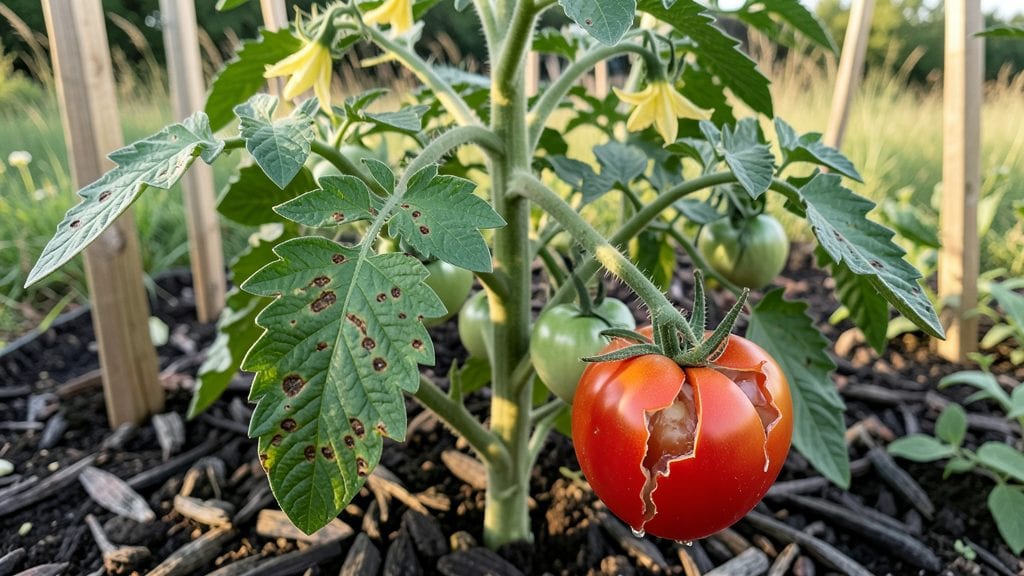
Master tomato plant troubleshooting before blight turns your vines to mush or hornworms strip leaves overnight—this guide saves the season. 🌱 I’ve watched... harvest. The key is acting fast: most issues have simple fixes if you catch them early, and I’ll show you how to tell them apart in minutes.
Yellow leaves, stunted growth, or weird spots? Each symptom points to a different culprit—whether it’s overwatering, a nutrient deficiency, or pests hiding on the undersides of leaves. My first tomato garden taught me the hard way that ignoring early signs means losing plants by midsummer.
But once you learn these patterns, you’ll diagnose problems faster than you can say “early blight.”
You’ll walk away with quick fixes for wilting, curling leaves, and blossom-end rot, plus preventive habits that keep your plants thriving all season. No more guessing whether to prune, fertilize, or spray—just clear steps that work for home gardens.
The best part? Most solutions use stuff you already have around the house.
This works for container tomatoes, raised beds, or in-ground plants—no matter your setup. Let’s turn those struggling vines into productive, fruit-loaded powerhouses before your next harvest. The first step is knowing what’s really wrong with your plants.
Root Causes Of Tomato Plant Struggles
Tomato plants are resilient, but even the hardiest varieties can fall victim to stress when environmental or cultural factors align just right.
Understanding why these issues pop up is half the battle—because once you know the science behind the struggle, you can tweak your gardening game to keep your plants thriving. Let’s break down the real culprits behind tomato plant troubles, from soil to sky.
Tomatoes need consistent moisture, but too much water—especially in poorly draining soil—can drown roots and trigger a cascade of problems. Here’s the science:
- Oxygen starvation: Roots thrive in well-aerated soil. Overwatering displaces oxygen, suffocating roots and causing root rot (often from Phytophthora or Pythium fungi). Without oxygen, roots can’t absorb nutrients or water efficiently.
- Soil compaction: Heavy clay soils or foot traffic can create a waterlogged "puddle" around roots, even if you’re not overwatering. Compacted soil blocks drainage channels, trapping excess moisture.
- Nutrient leaching: Overwatering flushes soluble nutrients (like nitrogen and potassium) out of reach, leaving plants yellow (chlorosis) or stunted.
Pro tip: 🌡️ Stick your finger 1–2 inches into the soil before watering. If it’s damp, wait. For containers, ensure pots have drainage holes and use a well-draining mix (e.g., 60% potting soil, 30% perlite, 10% compost).
Tomatoes are drought-tolerant, but extreme heat or inconsistent watering can lead to wilting, blossom drop, or cracked fruit. The mechanics:
- Transpiration imbalance: When soil moisture drops, plants pull water from leaves to keep roots alive. This causes wilting (temporary) or permanent leaf scorch if stress persists.
- Blossom end rot: Calcium uptake relies on steady water flow. Dry spells disrupt this, leading to calcium-deficient fruit (those telltale dark, sunken spots).
- Heat shock: Temperatures above 90°F (32°C) can cause sunscald on fruit or pollination failure (flowers drop before setting fruit).
Pro tip: 💡 Water deeply early in the morning (1–1.5 inches per week) and mulch with straw or grass clippings to retain moisture. For containers, use self-watering pots or a drip irrigation system.
Tomatoes are heavy feeders, and deficiencies show up as visual clues tied to specific nutrient shortages. Here’s what’s missing when symptoms appear:
| Symptom | Likely Deficiency | Why It Happens |
|---|---|---|
| Yellow leaves (oldest first) | Nitrogen (_N_) | Nitrogen fuels leaf growth. Soil depletion, leaching, or microbial breakdown (e.g., nitrification) can starve plants. Common in sandy or heavily amended soils. |
| Purple stems/leaves | Phosphorus (_P_) | Phosphorus aids energy transfer. Cool soils or over-fertilizing with nitrogen (which competes with P uptake) can lock it out. |
| Yellow veins, brown leaf edges | Magnesium (Mg) | Magnesium is central to chlorophyll. Overwatering or high soil pH (>7.0) reduces its availability. |
| Stunted growth, weak stems | Potassium (_K_) | Potassium regulates water and disease resistance. Leaching (from overwatering) or unbalanced fertilizers (too much N) can deplete it. |
Pro tip: 🔥 Test your soil (pH and NPK levels) before amending. Use balanced fertilizers (e.g., 10-10-10) or organic fixes like compost tea for micronutrients. For magnesium, apply Epsom salt (1 tbsp per gallon of water) every 2 weeks.
Tomato plants attract a buffet of pests and pathogens, each with a specific trigger:
- Fungal diseases (early blight, late blight):
- Caused by Alternaria solani or Phytophthora infestans, thriving in humid, wet conditions (80%+ humidity). Spores splash onto leaves from soil or water.
- Overhead watering or dense foliage traps moisture, creating ideal fungal hotspots.
- Insects (hornworms, aphids, whiteflies):
- Attracted by stressed plants (drought, nutrient deficiency) or overcrowded gardens. Aphids excrete honeydew, which fosters sooty mold.
- Whiteflies thrive in hot, dry microclimates (e.g., black plastic mulch).
- Viral infections (e.g., tomato mosaic virus):
- Spread by aphids or contaminated tools. Weakened plants (from poor nutrition or stress) are more susceptible.
Pro tip: ✨ Prevent fungal spread by watering at the base and pruning for airflow. Use row covers early in the season to block pests. For aphids, blast them off with a strong stream of water or introduce ladybugs.
Tomatoes are sensitive to their surroundings, and abrupt changes can derail growth:
- Temperature swings:
- Tomatoes stop pollinating below 55°F (13°C) or above 90°F (32°C). Cold nights (<50°F/10°C) cause blossom drop.
- Heat stress also stops fruit set, leading to empty flowers.
- Wind damage:
- Strong winds desiccate leaves (increasing transpiration) and can break stems or disrupt pollination.
- Tall, leggy plants are more vulnerable.
- Light deprivation:
- Tomatoes need 6–8 hours of direct sun. Shade from nearby plants or structures reduces photosynthesis, leading
Quick Fixes for Tomato Plant Woes
Got a tomato plant acting up? Don’t panic—most common issues have simple, effective solutions. Below, we’ve mapped out practical fixes for the most frequent tomato plant troubles, along with prevention tips to keep your plants thriving.
Whether it’s wilting leaves, blight, or stunted growth, these steps will help you turn things around fast—no green thumb required!
Cause: Overwatering, underwatering, or nutrient deficiency (often nitrogen or magnesium). Fix:
- 🔥 Adjust watering: Stick your finger 1–2 inches into the soil. If it’s soggy, let it dry out. If bone-dry, water deeply until it drains from the bottom.
- 🍳 Test soil pH: Tomatoes love 6.0–6.8 pH. Use a soil test kit (or vinegar/baking soda test) and amend with lime (to raise pH) or sulfur (to lower it).
- 👨🍳 Feed the plant: Add a balanced fertilizer (10-10-10) or compost. For yellow lower leaves (nitrogen deficiency), use fish emulsion. For yellow upper leaves (magnesium deficiency), try Epsom salt (1 tbsp per gallon of water, sprayed on leaves).
💡 Prevention Tip: Water at the base (not leaves) in the morning to reduce fungal risks. Mulch with straw to retain moisture and regulate soil temp.
Cause: Early blight (Alternaria), late blight (Phytophthora), or powdery mildew—often from humidity, poor airflow, or wet foliage. Fix:
- 🔪 Prune aggressively: Remove all infected leaves (don’t compost them—bag and toss). Sterilize pruners with rubbing alcohol.
- 🥘 Spray fungicide: Use copper fungicide (preventative) or baking soda spray (1 tsp baking soda + 1 quart water + a drop of dish soap). Reapply every 7–10 days.
- ⏰ Improve airflow: Space plants 18–24 inches apart and stake tomatoes to avoid crowding. Avoid overhead watering.
🌡️ Prevention Tip: Rotate crops—don’t plant tomatoes in the same spot yearly. Choose resistant varieties (e.g., ‘Mountain Merit’ for blight).
Cause: Too little sunlight, over-fertilizing with nitrogen, or root-bound plants. Fix:
- 🔥 Move to sunlight: Tomatoes need 6–8+ hours of direct sun daily. If indoors, use grow lights 12–16 hours/day.
- 🍳 Balance fertilizer: Switch to a low-nitrogen, high-phosphorus fertilizer (e.g., 5-10-10) to encourage flowering/fruiting.
- 👨🍳 Repot or prune roots: If roots are circling, transplant into a larger pot with fresh soil. Trim 1/3 of the roots before replanting to encourage new growth.
🎯 Prevention Tip: Pinch suckers (side shoots) to redirect energy to fruit. Use slow-release fertilizer to avoid overfeeding.
Cause: Temperature swings (below 55°F or above 90°F), overwatering, or transplant shock. Fix:
- 🌡️ Stabilize temps: Use shade cloth on hot days or row covers if nights dip too low. Avoid planting in low spots where cold air pools.
- 💧 Water consistently: Keep soil evenly moist—don’t let it dry out or get waterlogged.
- ✨ Hand-pollinate: If humidity is low, gently shake plants or use a paintbrush to transfer pollen between flowers.
💡 Prevention Tip: Hardening off seedlings gradually before transplanting reduces shock. Choose heat-tolerant varieties (e.g., ‘Solar Fire’).
Cause: Aphids, hornworms, spider mites, or whiteflies sucking nutrients or munching leaves. Fix:
- 🔪 Handpick pests: Check leaves daily for hornworms (big green caterpillars) and squish them. For aphids, blast them off with a strong water spray.
- 🥘 Natural sprays:
- Neem oil (1 tbsp + 1 tsp soap per quart of water) for mites/aphids.
- Soap spray (1 tbsp castile soap per quart of water) for soft-bodied bugs.
- 👨🍳 Introduce predators: Release ladybugs or praying mantises to control aphids naturally.
🔥 Prevention Tip: Interplant with basil or marigolds to repel pests. Rotate crops yearly to disrupt pest cycles.
📊 Pro Tip Table: Quick Reference Guide
| Problem | Quick Fix | Prevention |
|---|---|---|
| Yellow leaves | Check water/nutrients, adjust pH | Mulch, water at base |
| Fungal spots | Prune + copper spray | Improve airflow, crop rotation |
| Stunted growth | More sun, balanced fertilizer | Stake plants, prune suckers |
| Dropping blossoms | Stabilize temps, hand-pollinate | Choose heat-tolerant varieties |
| Bug infestation | Handpick + neem oil | Plant pest-repelling companions |
✨ Final Thought: Most tomato troubles are fixable with a little TLC—just act fast! Monitor your plants daily, adjust care based on symptoms, and soon you’ll be harvesting juicy, disease-free tomatoes like a pro. 🍅🔥
Frequently asked questions
Why are my tomato leaves turning yellow?
Yellow leaves usually signal overwatering, underwatering, or nutrient deficiencies. Check the soil moisture and adjust your watering schedule. For yellowing lower leaves, it’s often nitrogen deficiency—try a balanced fertilizer or compost. If upper leaves yellow, it may be magnesium deficiency, which Epsom salt spray can fix.
How do I prevent fungal diseases like blight on my tomato plants?
Start by watering at the base (not leaves) and ensuring good airflow between plants. Prune regularly to remove crowded foliage. Use resistant varieties like 'Mountain Merit' and apply copper fungicide or baking soda spray preventatively. Rotate crops yearly to break disease cycles.
What should I do if my tomato plants have holes in the leaves?
Those holes are likely from hornworms or other chewing insects. Handpick them off daily and drop them in soapy water. For small infestations, use neem oil spray or introduce natural predators like ladybugs. Check both sides of leaves—pests often hide underneath.
Can I still save my tomato plant if it's wilting?
Wilting can be temporary (underwatering) or permanent (root rot). First, check soil moisture—water deeply if dry. If roots feel mushy or smell bad, you may have root rot. In that case, trim affected roots, repot with fresh, well-draining soil, and reduce watering. Keep fingers crossed for recovery!
Why aren't my tomato flowers turning into fruit?
This usually happens due to temperature stress (below 55°F or above 90°F), poor pollination, or inconsistent watering. Try hand-pollinating with a paintbrush, ensuring consistent moisture, and protecting plants from extreme temps with shade cloth or row covers.