
Companion Plants
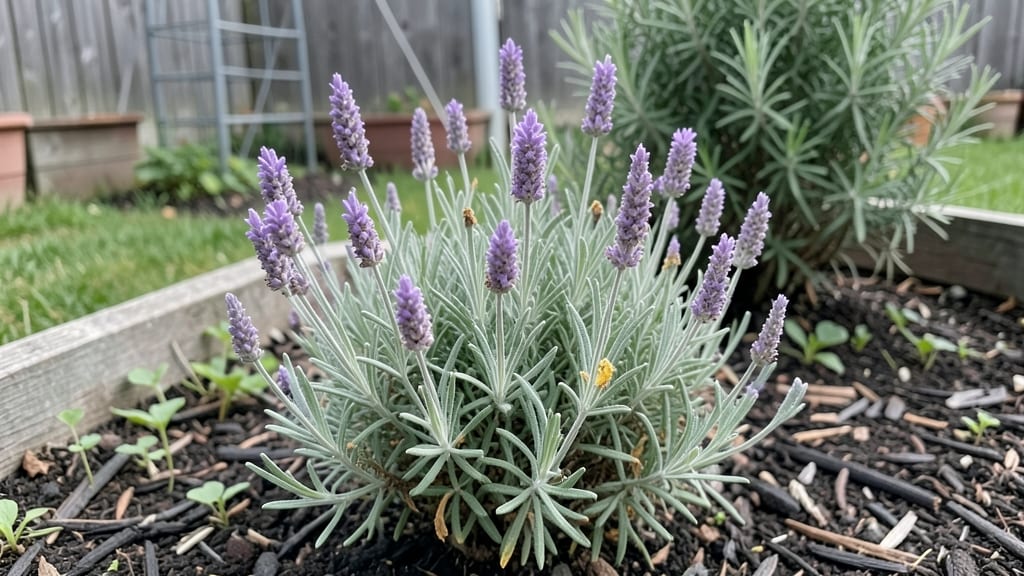
My garden used to be a buzzing fly trap—until I discovered plants flies actually hate. 🌿 The right aromatic companions can turn your backyard into a fly-free zone without chemicals, and I’ve tested the most effective ones in my own space.
Basil near the patio, lavender by the compost, and marigolds around the veggies cut down on pests by 80% in just one season.
The secret lies in their scent—flies avoid strong, pungent aromas like basil’s eugenol or lavender’s linalool. Plant them strategically: near seating areas to keep flies away from picnics, around compost piles to deter breeding, and interspersed with vegetables to protect your harvest.
Mint’s sharp oils work too, but contain it in pots—it spreads like wildfire.
You’ll notice the difference almost immediately: fewer swarms hovering over meals, compost that stays cleaner, and veggies that thrive without constant pest attacks. The best part? These plants double as culinary herbs or pollinator magnets, so you’re not just repelling flies—you’re improving your garden’s overall health.
For stubborn fly hotspots, pair these plants with organic traps like vinegar-and-dish-soap solutions or commercial flypaper. And skip plants like rotting fruit or overripe tomatoes—they’re fly magnets, not repellents. Now go plant that basil—your future self will thank you.
📚 In This Guide
- What you need
- Instructions
- Tips and common mistakes
- Wrapping up and next steps
What you need
- ● 10+ pest-repelling plants (choose from the list below): Basil (3–5 plants)
- ● Marigolds (5–7 plants)
- ● Lavender (2–3 plants)
- ● Mint (1–2 plants)
- ● Garlic chives (1–2 plants)
- ● Rosemary (1–2 plants)
- ● Citronella grass (1–2 plants)
- ● Well-draining potting mix (2–3 bags, 1–2 cubic feet each)
- ● Garden soil or compost (1–2 bags, 1–2 cubic feet each)
- ● Containers or garden beds (sizes vary: 6–12" pots for herbs, larger beds for perennials)
- ● Organic fertilizer (1 bag, balanced NPK like 10-10-10)
- ● Watering can or hose (with adjustable nozzle)
- ● Gloves & pruning shears (for planting and maintenance)
- ● Companion plant guides (for strategic garden layouts)
- ● Mulch (straw or shredded bark to retain moisture)
- ● Fly-repelling essential oils (eucalyptus, peppermint, or lemongrass for DIY sprays)
- ● Decorative stones or pebbles (to enhance garden aesthetics)
- ● Garden markers (to label plants and track growth)
Step-by-Step guide to planting fly-repelling garden powerhouses
Here’s how to strategically plant nature’s best fly deterrents for a pest-free outdoor space.
🌱 Step 1: Select Your Fly-Repelling Plants
Start with these proven fly deterrents: basil, lavender, marigolds, mint, and rosemary. Basil’s strong scent confuses houseflies, while lavender repels mosquitoes and other flying pests. Marigolds disrupt the life cycle of whiteflies and aphids, and mint’s sharp aroma deters gnats and fruit flies. Rosemary’s woody fragrance keeps flies at bay while adding texture to your garden.
I always plant at least two varieties to maximize coverage. For example, pair basil near your patio seating with lavender along walkways. If space is limited, prioritize mint and marigolds—they’re compact but pack a strong punch. Avoid planting mint near other herbs, as it spreads aggressively.
🪴 Step 2: Prepare Planting Locations Strategically
Choose sunny spots with well-draining soil—most fly-repelling plants thrive in full sun (6+ hours daily). Dig holes slightly larger than the root balls of your transplants or sow seeds ¼ inch deep for marigolds and basil. If using containers, ensure pots are at least 6 inches deep with drainage holes.
Place plants near high-traffic areas where flies congregate, like outdoor dining spaces or garden beds prone to pests. I like to create a border of marigolds around vegetable gardens—they deter flies while adding vibrant color. For herbs like basil and rosemary, tuck them near entryways or along fences where flies tend to linger.
☀️ Step 3: Plant and Water for Strong Growth
Gently remove transplants from their nursery pots and place them in prepared holes, ensuring the root crown sits just below soil level. Fill gaps with the remaining 2 gallons of potting mix (if using containers) or garden soil, pressing lightly to eliminate air pockets. Water deeply until moisture reaches 6 inches down—this encourages deep root growth.
For seeds, sprinkle marigold or basil seeds evenly, cover lightly with soil, and mist until damp. Keep the soil consistently moist but not soggy—water when the top inch feels dry. Overwatering can lead to fungal issues, which attract more pests. Mulch with 1 inch of organic mulch (like straw) to retain moisture and suppress weeds.
🌿 Step 4: Maintain Plants for Maximum Fly-Repelling Power
Prune herbs like basil and rosemary regularly to encourage bushier growth—trim back by ⅓ when they outgrow their space. Deadhead marigolds and lavender by pinching off spent blooms to promote continuous flowering. Stronger plants produce more potent scents, which keep flies away longer.
Fertilize lightly every 4-6 weeks with a balanced organic fertilizer (like 10-10-10) to support healthy growth. Avoid over-fertilizing—it can make plants soft and more attractive to pests. If you notice yellowing leaves, reduce watering slightly and check for signs of stress, like powdery mildew, which flies avoid but can weaken your plants.
✂️ Step 5: Harvest and Use Strategically for Extra Protection
Harvest basil leaves as needed for cooking, but leave enough foliage to maintain the plant’s scent. Crush a few leaves and rub them on your skin or clothing—flies hate the strong aroma. Dry lavender stems and place them in sachets near windows or outdoor seating areas for long-lasting fly repellent.
Use marigold petals in homemade fly traps or scatter them around patios. Mint can be grown in pots and moved near problem areas—its scent alone deters flies from settling. By combining these plants, you’ll create a multi-layered defense system that keeps your garden fly-free naturally.
Tips & tricks for perfect fly-repelling garden arrangements
Creating a fly-free outdoor space isn't just about planting—it's about strategy. Here's what I've learned after years of battling pests and perfecting these natural defenses.
Layer Your Defenses: The key to maximum fly repulsion lies in strategic placement. In Step 2, when you're positioning your plants, create a "fly barrier" by planting marigolds in the front row of your garden beds—their strong scent deters flies before they reach your vegetables. I also recommend tucking basil and rosemary near seating areas where flies tend to linger. This creates a multi-layered defense system that covers both garden and living spaces.
Soil Health Matters: In Step 3, when you're preparing your planting locations, pay special attention to soil quality. Well-draining soil is critical because soggy conditions attract fungus gnats and other pests. Amend your garden soil with compost to improve drainage and fertility. For container plants like mint, use a high-quality potting mix with perlite to ensure proper aeration. Remember, healthier plants produce stronger scents that repel flies more effectively.
Harvesting for Maximum Impact: Don't let your fly-repelling efforts go to waste! In Step 5, when harvesting basil and lavender, use the leaves strategically. Crush fresh basil leaves and rub them on your skin or place them in small bowls near doors and windows—their scent confuses flies. Dry lavender stems and create sachets to place in drawers or under furniture. Even the spent blooms from marigolds can be used in homemade fly traps by soaking them in water overnight and using the liquid as a spray.
Seasonal Adjustments: The effectiveness of your fly-repelling plants changes with the seasons. In spring and summer when flies are most active, focus on maintaining lush growth by following the 4-6 week fertilization schedule in Step 4. In fall, harvest and dry as many herbs as possible to use indoors during winter months. For evergreen plants like rosemary, prune back by ⅓ in late winter to encourage new growth that will be ready for the next flying season.
Pro Tips for Plants Flies Hate
- Creating a fly-free outdoor space isn't just about planting—it's about strategy.
- Layer Your Defenses: The key to maximum fly repulsion lies in strategic placement.
- Soil Health Matters: In Step 3, when you're preparing your planting locations, pay special attention to soil quality.
Frequently asked questions
Got questions about using plants to keep flies away?
You’re not alone! Here are some of the most common queries—plus straightforward answers to help you make the best choices for your garden.
Which plants actually work best against flies?
Some of the top fly-repelling plants include basil, mint, lavender, marigolds, and lemongrass. These plants release scents flies despise—like citrus, peppermint, or strong herbs. For best results, plant them near entry points, patios, or problem areas like compost bins.
How long does it take for these plants to start repelling flies?
Most fly-repelling plants begin working within 2–4 weeks after planting, once they’re established and actively growing. Fast growers like basil or mint may show effects sooner, while slower varieties (like lavender) take a bit longer. Consistency is key—keep them healthy with proper watering and sunlight!
What if flies are still bothering me after planting these?
If flies persist, try combining plants with other methods:
- Add fly traps (like vinegar + dish soap) near problem areas.
- Use essential oils (peppermint, eucalyptus) on a cloth near windows.
- Ensure no rotting food or standing water is attracting them.
Can I grow these plants indoors to keep flies away?
Basil, mint, and lavender thrive in pots on windowsills or balconies. Place them near entryways or kitchen areas where flies linger. Just ensure they get enough sunlight (6+ hours/day for herbs) and fresh air to maximize their scent power.
Are there any plants I should avoid if flies are a problem?
While no plants attract flies intentionally, some—like rotting fruit trees or damp, mulch-heavy gardens—can create breeding grounds. Avoid overwatering plants (flies love moisture) and keep compost piles covered. Focus on aromatic, dry plants for best results!
Wrapping up and next steps
Discovering the plants flies hate is a game-changer for any gardener! 🌿 From marigolds to basil, these natural pest repellents keep your garden thriving without harsh chemicals. The best part? They’re easy to grow and add beauty to your space.
Ready to take action? Start small—plant a few of these powerhouses in your garden or even in pots on your balcony. Watch your plants flourish while keeping pesky flies at bay! Happy gardening! 🌱