
Companion Plants
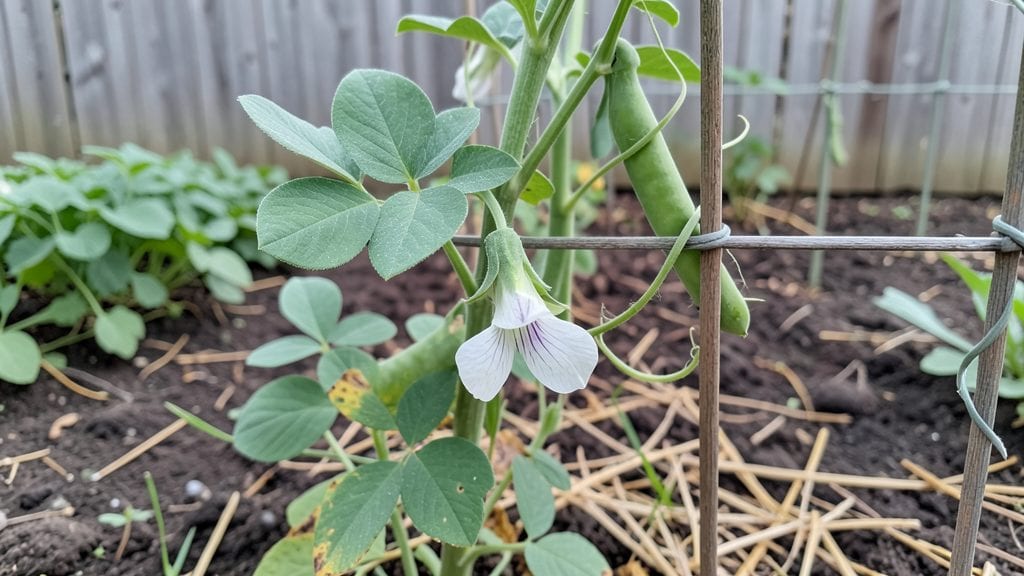
Plants can speak through chemical signals, electrical impulses, and root networks to warn neighbors of threats like pests or drought, using volatile organic compounds and fungal highways called mycorrhizal networks.
This hidden language lets plants alert nearby species about danger, like when caterpillars munch on leaves or soil dries out. 🌱 For example, when one plant detects a hungry beetle, it releases methyl jasmonate—a chemical scent that triggers defensive responses in neighboring plants.
These underground conversations happen through fungal networks that connect roots like a biological internet, sharing nutrients and warnings across entire ecosystems.
Gardeners can harness this phenomenon by planting compatible species together. Pairing basil with tomatoes, for instance, helps both plants fend off pests more effectively than they could alone. The key is understanding which plants "speak" the same chemical dialects—some only understand drought signals, while others react to insect attacks.
💡 In This Article
- How Plants Use Chemical Signals to Communicate
- Real-World Examples of Plant Communication in Nature
How plants use chemical signals to communicate
The plant world employs a sophisticated communication system where volatile organic compounds (VOCs) act as chemical messengers. When a plant detects damage—like a hungry caterpillar chewing leaves—it releases compounds such as methyl jasmonate, which drift through the air like invisible alarms.
These molecules can travel up to 10 feet in still air, carrying warnings that trigger neighboring plants to produce defensive chemicals like tannins or toxic proteins. This isn't just random biology; it's a precisely calibrated response system that evolved over millions of years.
Electrical signals also play a crucial role in this underground conversation. When a plant senses stress, calcium ions rush through its cells like an electrical current, creating what scientists call systemic electrical signaling.
This wave can travel at speeds of 10-20 cm per hour, activating defensive genes across the entire plant within minutes. For example, when tobacco plants are attacked by caterpillars, this electrical signal primes their leaves to produce nicotine—nature's built-in insect repellent.
The speed of this response is remarkable when you consider how slowly plants typically grow.
Beneath the soil, an even more astonishing communication network exists through mycorrhizal fungi. These thread-like organisms form a symbiotic relationship with plant roots, creating a biological internet that connects entire plant communities. Through these fungal highways, plants can share nutrients and warnings about threats like drought or insect attacks.
A study in California's redwood forests found that Douglas fir trees connected by mycorrhizal networks could transfer carbon and nutrients over 27 feet of underground space, demonstrating how this system functions as a true ecological communication network.
What makes this system particularly fascinating is its specificity. Different plants produce different chemical signals based on the type of threat they face. For instance, salicylic acid is the plant equivalent of a "virus alert," while ethylene signals mechanical damage like trampling.
This chemical language allows plants to respond precisely to their environment, much like how humans might use different tones of voice to convey different emotions. The result is a complex, interwoven web of communication that maintains ecological balance.
The practical implications of this plant communication are profound for agriculture and gardening. Understanding these chemical signals allows farmers to create more resilient crops by planting species that "speak" the same language.
For example, corn plants emit VOCs when attacked by caterpillars, and nearby beans can detect these signals and prepare their defenses accordingly. This natural pest control method could reduce the need for chemical pesticides while promoting healthier ecosystems.
The key is recognizing that plants aren't passive organisms—they're active participants in their own survival strategies.
What most people don't realize is how immediate this communication can be. When a plant releases methyl jasmonate, neighboring plants can begin producing defensive compounds within 30 minutes to 2 hours. This rapid response demonstrates how sophisticated plant communication truly is, operating on timescales comparable to animal nervous systems.
The next time you're in a garden, remember that every leaf and root is part of an ongoing conversation about survival and cooperation. 💫