
Pests
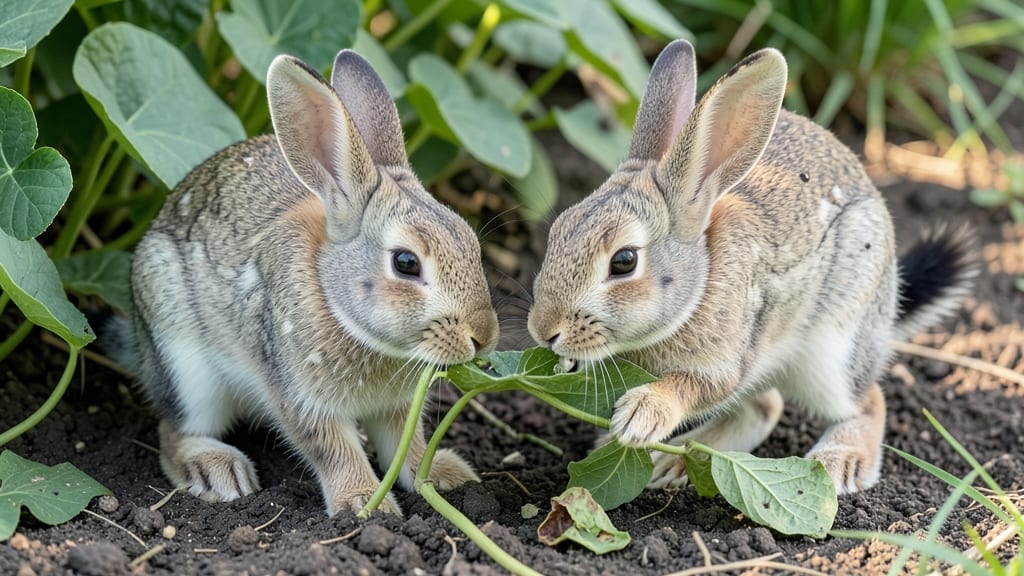
Yes, rabbits eat bean plants—green beans, lima beans, and bush beans are all on their menu. These plants attract rabbits because of their high moisture and protein content, especially when young. While mature plants may survive partial nibbling, seedlings are highly vulnerable. Protect your garden with fencing, repellents, or companion planting with garlic or onions.
Rabbits are drawn to bean plants because they're packed with nutrients that appeal to their natural diet. 🌱 Young shoots and tender leaves are particularly tempting, making them a prime target for both wild and domesticated rabbits.
The damage often starts at the base of plants, where rabbits take small but frequent bites, which can stunt growth or even kill seedlings entirely. Understanding this behavior helps you choose the right prevention methods for your garden's specific needs.
For gardeners, the key is balancing protection with practicality. Physical barriers like chicken wire or raised beds work well for small gardens, while organic repellents such as hot pepper spray can deter rabbits without harming beneficial insects.
Companion planting with strong-scented herbs like garlic or marigolds also creates a natural deterrent. The best approach often combines multiple strategies to create a layered defense system.
💡 In This Article
- Why Rabbits Target Bean Plants in Gardens
- Effective Rabbit-Proofing Strategies for Bean Gardens
Why rabbits target bean plants in gardens
Bean plants act like a nutritional buffet for rabbits because they combine three key elements that align perfectly with a rabbit's dietary needs: high moisture content (around 85-90% in young shoots), moderate protein levels (15-20% in fresh leaves), and tender, easily digestible textures. 🌱 The young shoots of pole beans, for instance, have a crisp yet soft consistency that rabbits can consume with minimal chewing effort—similar to how they'd eat fresh clover in the wild.
This combination makes bean plants far more appealing than woody stems or mature leaves, which require more energy to process.
Seasonal foraging habits play a huge role in why rabbits zero in on certain bean varieties. In spring and early summer, when rabbits are most active, they prioritize pole beans because their vertical growth habit makes them more visible and accessible.
The 12-18 inch height of young pole bean plants puts their tender tips at perfect rabbit-height, while bush beans (which stay closer to the ground) may get overlooked unless they're planted in dense clusters.
Additionally, the scent profile matters—beans emit subtle volatile organic compounds that rabbits detect through their keen sense of smell, especially when the plants are stressed or damaged.
Here's what actually happens when a rabbit encounters a bean plant: their first bites are usually taken at the base of the stem or along the main vine, where the tissue is most succulent.
This creates a "grazing pattern" that can girdle plants, cutting off nutrient flow to leaves. 🐇 What most people don't realize is that rabbits often return to the same plants multiple times—once they find a food source they like, they'll create well-worn trails to it.
The damage isn't always obvious until you notice stunted growth or wilting leaves, which is why gardeners often underestimate how quickly rabbits can decimate a bean patch.
The protein-to-moisture ratio in beans makes them particularly attractive during late pregnancy or when nursing, when female rabbits need extra nutrition. A single rabbit can consume up to 1/4 pound of fresh vegetation daily, and bean plants provide an efficient calorie source compared to grasses or weeds.
Even mature bean pods contain enough protein to sustain a rabbit's diet, though they're less preferred than fresh shoots. This explains why gardeners often see damage escalate during spring and early summer, when rabbit populations are at their peak and food sources are abundant.
Texture also plays a surprising role in rabbit preferences.
Young bean leaves have a silky-smooth surface that's easier to chew than rougher vegetables, while mature bean stems develop a slightly fibrous quality that rabbits avoid. 🌿 The key factor is the plant's water content—beans maintain high moisture even in dry conditions, making them a reliable food source when other greens wilt.
This persistence is why rabbits will keep returning to bean patches long after they've moved on from other garden crops.
What this means for gardeners is that prevention needs to account for both the plant's nutritional appeal and the rabbit's behavioral patterns. Simply planting bush beans instead of pole beans won't solve the problem—rabbits will still target the most accessible, tender parts.
The solution requires understanding how these factors combine to create an irresistible food source. 💫