
Pruning
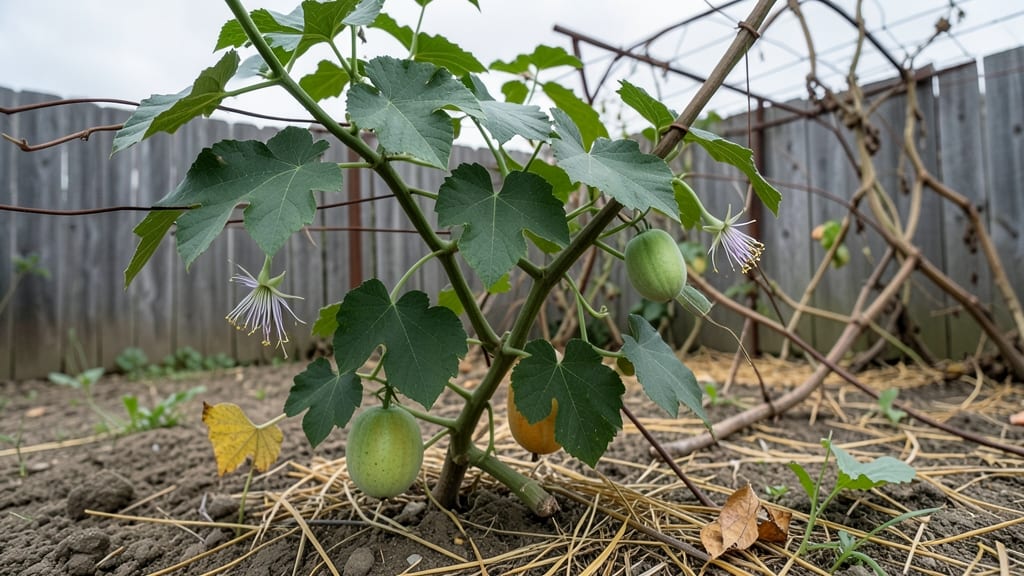
Planting passionfruit vines starts with soil that’s rich, well-draining, and packed with organic matter—because these tropical climbers demand it to thrive. 🌿 I learned the hard way that sandy or compacted soil leads to root rot and stunted growth, no matter how much you water.
The secret isn’t just throwing compost in the hole; it’s creating a loose, airy mix that mimics their natural forest-floor habitat.
Once you’ve got the right soil, location matters just as much. Passionfruit vines need 6+ hours of morning sun and afternoon shade in hot climates, or they’ll scorch.
If you’re in a cooler zone, full sun works—but plant them near a trellis or fence so they can climb and escape frost. I’ve seen vines produce twice as many fruits when they’re not struggling to reach sunlight.
You’ll know you’re on the right track when new shoots emerge within 2-3 weeks of planting, and the leaves stay deep green, not yellow or curled.
The first harvest might take a year, but the payoff—those sweet, tangy fruits—makes every step worth it. Just avoid overwatering; soggy soil is their biggest enemy.
Perfect for warm climates like Florida, California, or Hawaii, but even in cooler zones, container growing extends the season. Here’s how to set them up for success from day one.
📚 In This Guide
- What you need
- Instructions
- Tips and common mistakes
- Wrapping up and next steps
What you need
- ● Passionfruit vines – Choose disease-resistant varieties like Purple Passionfruit or Golden Passionfruit. Buy 2-3 healthy vines from a reputable nursery.
- ● Well-draining potting mix – A blend of 60% coconut coir, 20% perlite, and 20% compost (or a pre-mixed cactus/succulent mix). You’ll need about 5-10 gallons per vine.
- ● Organic fertilizer – A balanced 10-10-10 NPK fertilizer (or compost tea) to kickstart growth. Use 1 tbsp per vine at planting.
- ● Support structure – A trellis, arbor, or sturdy fence (at least 8-10 feet tall) to guide the vines upward.
- ○ Drip irrigation system – Optional but highly recommended for consistent moisture. A soaker hose or micro-sprinklers work well.
- ● Garden trowel or shovel – For digging planting holes.
- ● Pruning shears – Sharp, bypass pruners (sterilized with rubbing alcohol) for trimming.
- ● Gloves – Heavy-duty gardening gloves to protect against thorns.
- ● Measuring tape – To ensure proper spacing (6-10 feet apart for vines).
- ○ Mulch (optional) – Wood chips or straw (2-3 inches thick) to retain moisture and suppress weeds.
- ● Full sun exposure – At least 6-8 hours of direct sunlight daily.
- ● Warm climate – Passionfruit thrives in USDA Zones 8-11 (or greenhouses in cooler areas).
- ● Well-draining soil – Avoid waterlogged areas; amend heavy clay soil with sand or compost.
- ● Patience! – Vines take 12-18 months to bear fruit, but the wait is worth it!
Step-by-Step instructions for planting passionfruit vines
Here's how to establish your vines for maximum fruit production—soil prep is where it all begins.
🌱 Step 1: Choose the Perfect Planting Spot
Passionfruit vines need full sun—at least 6-8 hours daily—to set fruit. I always pick the warmest, sunniest corner of my yard because vines wilt quickly in shade. The soil should drain well but retain moisture; passionfruit roots hate soggy conditions. If your yard has heavy clay, amend the area with 3-4 inches of compost mixed into the top 12 inches of soil before planting.
Vines also need sturdy support. Install a strong trellis or fence at least 8 feet tall near your planting site. Passionfruit vines grow aggressively—15-20 feet in a single season—and need something to climb. I use a metal or wooden trellis because it lasts longer than bamboo stakes. Plant your vines 3-4 feet from the support structure so they have room to sprawl initially before training them upward.
🪴 Step 2: Prepare the Planting Hole and Soil Mix
Dig a hole twice as wide as the vine's root ball but only as deep as the container it came in. Passionfruit vines are sensitive to deep planting, which can rot the roots. Mix the native soil with 1 part compost and 1 part perlite to improve drainage and aeration. This blend prevents the soil from compacting around the roots, which is critical for young vines.
Gently remove the vine from its container and loosen any tangled roots with your fingers. Place the vine in the hole so the top of the root ball sits level with the surrounding soil. Don’t bury the stem deeper than it was in the container—this can suffocate the plant. Backfill the hole with your soil mix, pressing lightly to eliminate air pockets but not compacting too firmly.
💧 Step 3: Plant and Water Deeply
Water the vine deeply right after planting—1-2 gallons—to settle the soil and eliminate air gaps. The soil should be moist but not waterlogged around the roots. Passionfruit vines are thirsty but hate soggy soil, so aim for consistent moisture rather than daily watering. Mulch the base of the vine with 2-3 inches of organic mulch, like shredded bark, to retain moisture and suppress weeds.
Train the main vine onto the trellis immediately by gently tying it with soft plant ties or strips of old fabric. Avoid wire or anything that can cut into the stem as the vine grows. Passionfruit vines grow fast, so check the ties every 2-3 weeks and adjust as the stem thickens. This ensures the vine climbs straight and doesn’t waste energy sprawling on the ground.
☀️ Step 4: Maintain Soil and Support Through the First Year
Fertilize lightly 4-6 weeks after planting with a balanced, slow-release fertilizer (10-10-10 ratio). Passionfruit vines are heavy feeders but respond poorly to over-fertilizing, which can lead to excessive leaf growth at the expense of fruit. Apply fertilizer only once in the first year unless the leaves look pale or yellow, which signals a nutrient deficiency.
Monitor the soil moisture closely during the first 3 months. Water when the top 2 inches of soil feel dry to the touch. Passionfruit vines are drought-tolerant once established, but young plants need steady moisture to develop strong roots. Prune any suckers or side shoots that form at the base of the vine to direct energy into the main stem and future fruit production.
Tips & tricks for perfect passionfruit vine planting
These key strategies will help you avoid common pitfalls and set your passionfruit vines up for a bountiful harvest.
Sunlight Strategy: The 6-8 hours of daily sunlight in Step 1 is non-negotiable for fruit production. I've learned the hard way that partial shade leads to weak vines and poor fruit set. If your yard doesn't have a naturally sunny spot, consider planting near a south-facing wall or fence that reflects extra warmth. Morning sun is especially important—it helps dry dew quickly, preventing fungal issues on the leaves.
Soil Mix Secrets: In Step 2, that 1:1 compost-to-perlite ratio is gold for passionfruit roots. I always add a handful of worm castings to my mix—they're packed with beneficial microbes that help young roots establish faster. For heavy clay soil, you can also mix in some coarse sand to improve drainage without compromising moisture retention. The goal is that "moist but not waterlogged" texture mentioned in the instructions.
Watering Wisdom: That initial 1-2 gallons of water after planting in Step 3 is crucial, but what happens next matters just as much. I've found that using a drip irrigation system set to deliver about 1 gallon per week during the first 3 months (as mentioned in Step 4) gives more consistent moisture than hand-watering. The key is keeping those top 2 inches of soil consistently moist—stick your finger in to check rather than relying on a schedule.
Trellis Training Tip: When training your vine in Step 3, I recommend using soft plant ties that can stretch as the vine grows. I've ruined stems with wire ties that cut in as the vine thickened. Also, position your trellis so the vine grows toward morning sun—this helps prevent fungal diseases that thrive in damp evening conditions. Check those ties every 2-3 weeks, but don't over-tighten as the vine grows.
Pro Tips for Planting Passionfruit Vines
- These key strategies will help you avoid common pitfalls and set your passionfruit vines up for a bountiful harvest.
- Sunlight Strategy: The 6-8 hours of daily sunlight in Step 1 is non-negotiable for fruit production.
- Soil Mix Secrets: In Step 2, that 1:1 compost-to-perlite ratio is gold for passionfruit roots.
Frequently asked questions
Got questions about planting passionfruit vines? You’re not alone! Here are answers to the most common concerns—from timing to troubleshooting—so you can grow with confidence.
What’s the best time of year to plant passionfruit vines?
Plant passionfruit vines in early spring (after the last frost) or late summer for warm-weather varieties. This gives roots time to establish before extreme heat or cold. In tropical climates, plant during the dry season to avoid waterlogged soil.
How much sun do passionfruit vines need daily?
Passionfruit vines thrive in full sun (6–8+ hours/day), but they tolerate partial shade (4–6 hours) in hot climates. Too little sun? Expect fewer fruits and leggy growth. Use a trellis to maximize sunlight exposure.
Can I grow passionfruit vines in containers?
Yes! Use a large container (15+ gallons) with drainage holes and well-draining potting mix. Choose compact varieties like ‘Sweetie’ or ‘Panama Red’. Move containers indoors or to a sheltered spot if temperatures drop below 30°F (-1°C).
Why aren’t my passionfruit vines producing fruit?
Common culprits include:
- Poor pollination: Hand-pollinate with a brush if bees are scarce.
- Young vines: Wait 1–2 years for mature plants (3+ years for some varieties).
- Nutrient deficiencies: Test soil and amend with potassium-rich fertilizer (like banana peel tea).
- Over-pruning: Leave 6–8 healthy leaves per vine to fuel fruit production.
Are passionfruit vines frost-tolerant?
No—most varieties die in frost (below 28°F/-2°C). Protect vines with:
- A row cover or mulch for light freezes.
- Container growing (move indoors if possible).
- Cold-hardy varieties like ‘Passion Red’ (tolerates brief chills to 20°F/-7°C).
Pro Tip:
Mulch around vines with straw or wood chips to retain moisture, suppress weeds, and regulate soil temperature—critical for young plants!
Wrapping up and next steps
Growing passionfruit vines is a rewarding journey that combines patience, care, and a little know-how! By focusing on well-draining soil, proper pH balance, and nutrient-rich amendments, you’ll set the stage for a thriving harvest.
Remember, healthy soil equals happy vines—and soon, you’ll be enjoying sweet, tropical treats straight from your garden. 🌱✨
Ready to take the next step? Start by testing your soil today and tweak your garden plan based on what your passionfruit vines need. Happy planting—and here’s to your future bounty! 🍈💚