
Fertilization
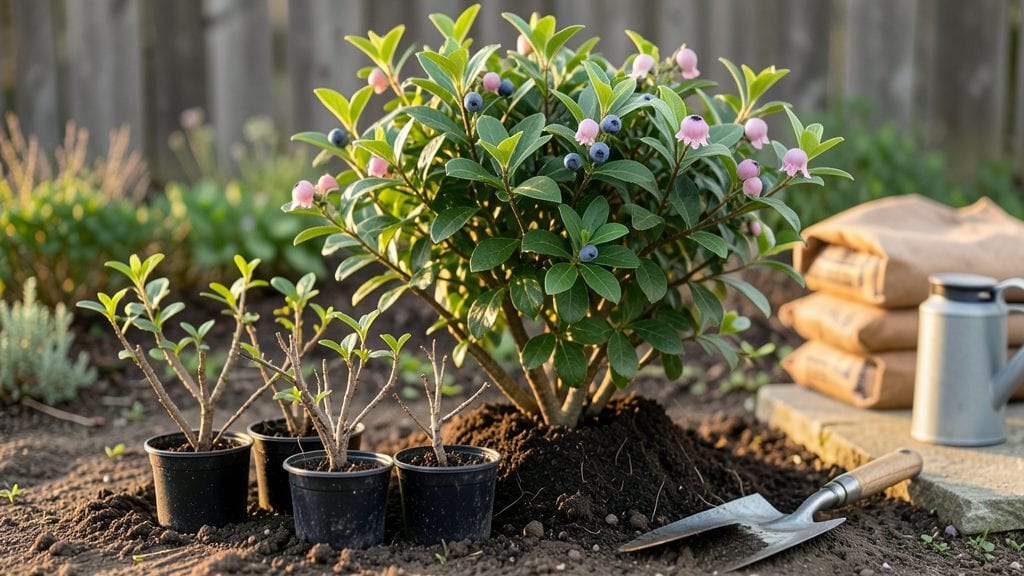
Mastering blueberry planting conditions starts with soil that’s as acidic as a lemon and sunlight that mimics their native woodland edges.
Picture this: you’ve spent hours digging beds, only to watch your 🫐 bushes wither because the pH was off by just a point. Or maybe they’re thriving in one spot but bare in another, leaving you baffled by why location matters so much.
These aren’t just guesses—they’re science-backed rules that turn struggling plants into fruit-loaded powerhouses.
In Zone 6a, where spring’s last frost lingers until mid-April, timing and placement make all the difference. Too much sun scorches the leaves; too little starves the roots. The soil? Forget neutral—blueberries demand acidity levels that most gardeners never test, let alone fix.
But here’s the good news: with the right prep, even beginners can grow bushes that produce pounds of berries in their first year.
Below, I’ll walk you through the exact conditions your blueberries crave—from the soil pH that’s non-negotiable to sunlight tricks that boost yields. No more trial and error; just proven steps to set your bushes up for success.
Optimal soil pH for blueberry plants: the acidic soil guide
Blueberries are famously fussy about their soil, and for good reason. These acid-loving shrubs thrive only in pH levels between 4.5 and 5.5. When soil pH strays above 6.0, blueberries struggle to absorb essential nutrients, leading to stunted growth, pale leaves, and poor fruit production.
I’ve seen firsthand how a simple soil test can transform a struggling blueberry patch into a fruitful paradise—here’s how to get it right.
Most garden soils naturally lean alkaline (pH 7.0+), making it critical to test and amend your soil before planting. Without proper acidity, your blueberries may produce tiny, tasteless berries or fail to fruit altogether.
The good news? Adjusting soil pH is straightforward with the right tools and amendments. Let’s dive into the science—and the simple steps—to create the perfect acidic environment for your bushes.
🌱
To achieve the perfect acidic soil environment, start by testing your soil using a digital pH meter or a home soil test kit (available at garden centers for under $20). Dig a 6-inch-deep hole near where you plan to plant, collect a soil sample, and follow the kit instructions.
If your pH reads above 5.5, you’ll need to lower it using organic amendments like sulfur, peat moss, or pine needles. For synthetic options, aluminum sulfate is fast-acting but use it sparingly.
If your soil pH is already in the ideal range, focus on maintaining it. Mulching with pine bark or pine straw helps retain acidity while suppressing weeds. Avoid wood chips from deciduous trees, as they can raise pH over time.
I’ve found that re-testing soil every 2–3 years ensures long-term success, especially in regions with alkaline water or limestone-rich soil.
For container-grown blueberries, use a pre-mixed acidic potting soil or blend your own with 50% peat moss, 30% perlite, and 20% compost. Containers dry out faster, so monitor moisture levels closely—blueberries hate soggy roots but also struggle in dry soil.
A self-watering pot can be a game-changer for urban gardeners.
One common mistake is over-amending with sulfur or other acidifiers. While blueberries love acidity, too much can harm beneficial soil microbes. Aim to adjust pH gradually—0.5 points per application—and always water thoroughly after amending to help the soil stabilize.
I once saw a gardener’s blueberries turn yellow overnight after overdoing it with sulfur; patience pays off!
🪴
If your soil pH is stubbornly high, consider planting blueberries in a raised bed. Fill it with a custom mix of 60% peat moss, 20% pine bark fines, and 20% compost.
This gives you full control over the growing environment and eliminates the need for constant amendments. Just ensure the bed has drainage holes to prevent waterlogging—a classic blueberry killer.
Finally, remember that blueberry varieties differ slightly in their pH preferences. Southern highbush types (like ‘O’Neal’) tolerate slightly higher pH (up to 6.0), while rabbiteye varieties (like ‘Climax’) prefer the lower end (4.5–5.0).
Always check your plant’s tag for specific recommendations. With the right soil prep, your blueberries will reward you with juicy, flavorful berries for years to come.
☀️
Sunlight requirements for blueberry bushes: balancing light and shade
Blueberries thrive when they bask in the right amount of sunlight, but too much or too little can spell disaster for your bushes. Ideally, they need 6 to 8 hours of direct sunlight daily to produce abundant fruit and maintain healthy growth.
Without enough light, your plants may struggle to flower, while excessive sun can scorch leaves in hot climates. The key is finding that sweet spot where your blueberries get plenty of light without overheating.
In regions with intense afternoon sun, like the Southwest U.S., blueberries can benefit from afternoon shade to prevent leaf burn. Conversely, in cooler climates like the Pacific Northwest, they can handle full sun year-round.
Understanding your local sunlight patterns is the first step to creating the perfect growing environment for your blueberry bushes.
Blueberry Sunlight Essentials
- 6–8 hours of direct sunlight for optimal fruit production.
- Morning sun + afternoon shade ideal for hot climates (e.g., Zone 8+).
- Full sun works best in cooler regions (e.g., Zones 4–7).
- Dwarf varieties tolerate partial shade (4–6 hours sun) but yield less.
- South-facing locations maximize sun exposure in Northern Hemisphere.
If your garden only offers partial shade, choose dwarf or semi-dwarf varieties like 'Top Hat' or 'Peach Sorbet,' which adapt better to lower light conditions. These varieties may produce fewer berries but can still thrive with 4 to 6 hours of sunlight.
For standard bushes, prioritize the sunniest spot in your yard—even if it means moving them after planting.
In container gardening, rotate pots weekly to ensure even sunlight exposure. Blueberries in pots dry out faster and need more light to compensate for limited root space.
Place containers on a sunny patio or deck where they can soak up rays, but avoid reflective surfaces that can overheat the roots.
For regional adjustments, Southern gardeners should provide afternoon shade during peak summer months, while Northern growers can leave bushes in full sun year-round. Always monitor leaf color—yellowing leaves may signal insufficient light, while brown, crispy edges indicate too much sun.
Adjust pruning or shading accordingly to keep your blueberries happy.
Pro tip: Use a sunlight tracker for a week to map your garden’s light patterns. Mark areas with full sun, partial shade, and deep shade to plan your blueberry placement like a pro.
With the right light balance, your bushes will reward you with juicy, flavorful berries for years to come. 🌿☀️