
Shrubs
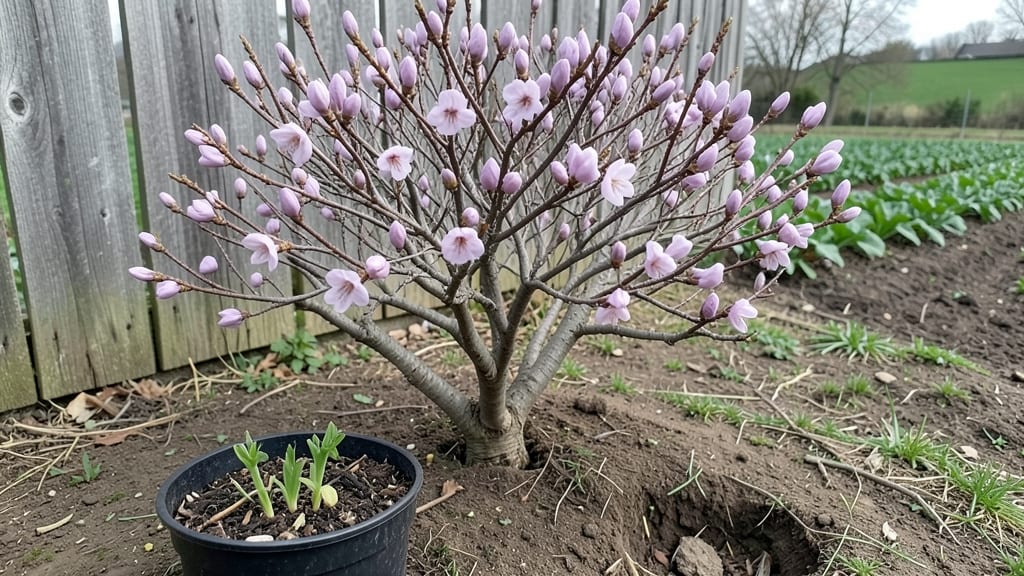
Planting a red bud 🌸 tree means unlocking those iconic spring blooms—but only if you nail the timing and soil.
The vibrant red buds of Cercis canadensis aren’t just a springtime spectacle—they signal a tree that thrives with the right planting strategy. But timing, soil prep, and location secrets can mean the difference between a weakling sapling and a sturdy, flowering giant.
In Zone 6a, early spring (March–April) is your best window, but even a 2-week delay can stunt growth. I’ll show you the exact soil mix, watering schedule, and sunlight tricks that keep red buds blooming for decades.
Skip the guesswork: learn the 3 critical steps that turn a $50 sapling into a 20-foot showstopper.
Best months and climate zones for planting red bud trees
The red bud tree (Cercis canadensis) thrives when planted during its optimal growth windows, which vary by USDA climate zone and seasonal conditions.
Unlike many trees, red buds tolerate a wider range of climates (zones 4-9), but precise timing ensures strong root establishment before summer heat or winter cold. I’ve planted mine in zone 6 during both spring and fall—here’s what I’ve learned about balancing risks and rewards for each approach.
Spring planting (March-April) is my top recommendation for most gardeners because it aligns with the tree’s natural dormancy break. The soil is warm enough for root growth but not yet scorching, and young trees can establish roots before summer’s peak.
However, in warmer zones (7-9), late spring (May) works better to avoid early heat stress. Fall planting (September-October) is riskier but possible in cooler zones (4-6) if done 6-8 weeks before frost.
Here’s a quick breakdown of how to adjust your planting strategy based on your USDA zone and seasonal risks:
Zone 4-5: Plant in early spring (April) to avoid late frosts that can damage tender new growth. Fall planting is high-risk due to harsh winters—only attempt it if your fall is exceptionally mild.
Zone 6-7: My sweet spot! Both spring (March-April) and fall (September) work well. Spring gives roots a full growing season, while fall allows trees to establish before winter. I prefer spring for first-time planters because it’s more forgiving.
Zone 8-9: Plant in late spring (May) to avoid summer drought stress. Fall planting is not recommended—the mild winters can trick trees into premature growth, leaving them vulnerable to cold snaps.
Now, let’s dive into the detailed planting windows and climate-specific tips to help you choose the best time for your red bud:
When planting in spring, aim to get your red bud in the ground 4-6 weeks before your last frost date. This gives roots time to acclimate before heat arrives. For example, in zone 6, I plant mine by mid-April to ensure roots are established by June.
If you’re in a warmer zone (8-9), wait until after Memorial Day to avoid heat shock.
Fall planting requires extra caution—only attempt it if your fall is mild and frost-free for 6+ weeks. In zone 6, I plant by mid-September to allow roots to settle before winter.
The key is watering deeply until the ground freezes and mulching 4-6 inches deep to insulate roots. Avoid fall planting in zones 8-9 unless you’re prepared for unpredictable cold snaps.
One common mistake I see is planting red buds too early in spring when the soil is still cold. Roots won’t establish well in chilly, wet soil, leading to stunted growth.
To test soil readiness, stick your finger 6 inches deep—if it’s above 50°F (10°C), it’s time to plant. Another tip: soak the root ball before planting to reduce transplant shock.
If you’re unsure about your local frost dates, check the USDA Plant Hardiness Zone Map and your local cooperative extension service for tailored advice. For example, Atlanta (zone 7b) has a last frost date of March 15, while Chicago (zone 5b) waits until April 20.
Adjusting for these dates ensures your red bud gets a healthy head start.
Finally, consider container-grown red buds if you’re in a warmer zone (8-9) and want to plant in fall or winter. These trees are less stressed and can be planted year-round, though spring still offers the best long-term success rates.
With the right timing, your red bud will reward you with vibrant spring blooms for decades.
🌸
Soil requirements and preparation for healthy red bud growth
Cercis canadensis thrives when planted in soil with the right balance of nutrients and drainage. The ideal pH range for red buds is 6.0 to 7.5, mimicking their natural woodland understory conditions. Too acidic (below 6.0) or alkaline (above 7.5) soils can stunt growth or cause nutrient deficiencies, like yellowing leaves or poor flowering. Test your soil before planting to avoid these common pitfalls.
Red buds despise soggy roots, so well-draining soil is non-negotiable. Heavy clay soils should be amended with organic matter like compost or leaf mold to improve aeration. Sandy soils, on the other hand, benefit from additions of peat moss or coconut coir to retain moisture without suffocating roots.
A simple soil test kit (available at garden centers) will reveal your soil’s texture and pH in minutes.
Red Bud Soil Prep: Pros and Cons
✅ DO:
- Test soil pH before planting (aim for 6.0-7.5)
- Amend clay soils with compost (2-3 inches)
- Use well-rotted manure for nutrient boost
- Plant in loamy soil for optimal drainage
- Add perlite or sand to heavy soils
❌ DON'T:
- Plant in waterlogged areas (root rot risk)
- Use fresh manure (can burn roots)
- Skip drainage testing (use a trowel test)
- Ignore soil compaction (aerate first)
- Over-fertilize newly planted saplings
To prepare your planting site, start by removing weeds and grass within a 3-foot radius of where the red bud will go. Dig a hole twice as wide as the root ball but only as deep. This encourages roots to spread horizontally rather than settling too low.
Mix the excavated soil with compost or aged manure (a 1:1 ratio) to create a nutrient-rich backfill. For sandy soils, add peat moss to improve moisture retention.
For established trees, a 3-inch layer of mulch (wood chips or shredded bark) around the base helps regulate soil temperature and retain moisture. Keep mulch 6 inches away from the trunk to prevent rot. Water deeply after planting to settle the soil and eliminate air pockets around the roots.
A slow-release fertilizer (like 10-10-10) can be applied lightly in early spring to support new growth without overwhelming the young tree.
Common mistakes like overwatering or planting in compacted soil can lead to root rot or stunted growth. Always check drainage by digging a small hole and filling it with water—if it doesn’t drain within 30 minutes, amend the soil further.
With the right prep, your red bud will establish strong roots and reward you with vibrant spring blooms for decades.
Remember, healthy soil equals healthy trees. Take the time to prepare properly, and your Cercis canadensis will thrive with minimal fuss. Happy planting! 🌱🌿