Pruning
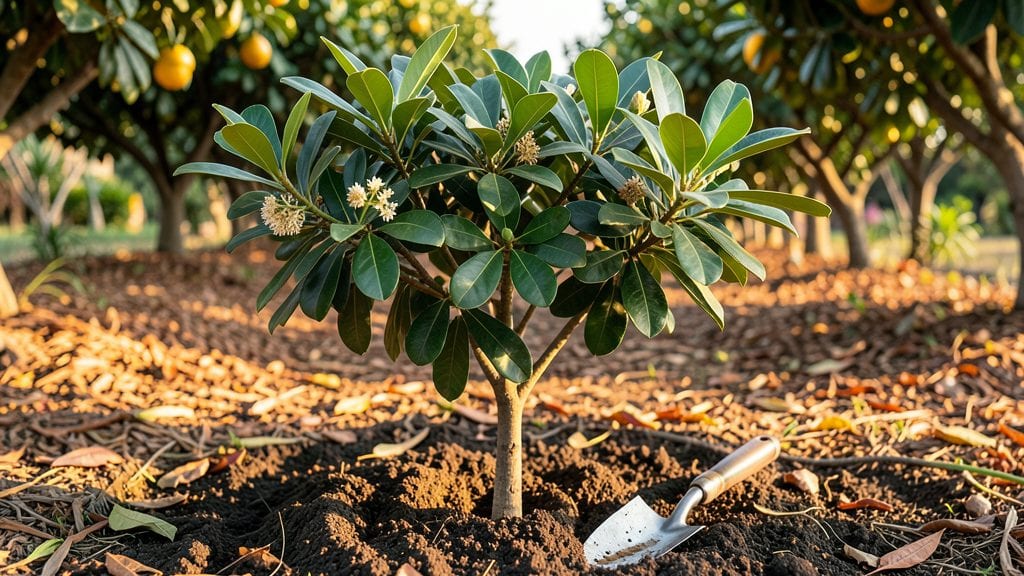
Planting a lychee tree in your yard means years of sweet, fragrant rewards—but only if you nail the basics first. 🌱 I’ve watched these tropical trees thrive in my subtropical climate, and the key starts with soil that drains like a desert yet holds moisture like a sponge.
Lychees hate soggy roots, so we’ll focus on well-draining spots, the right container if you’re not in a warm zone, and a few tricks to mimic their native humidity.
The first hurdle is climate: lychees need warmth year-round (zones 10-11) or at least hot summers with no frost. If you’re in cooler areas, container growing is your best bet—just move it indoors when temps dip below 50°F.
Start with a 5-gallon pot for young trees, then upgrade as roots spread. The soil mix should be 60% sandy loam, 30% compost, and 10% perlite—think "fast-draining but not bone-dry."
Once planted, patience is your superpower. It takes 5-7 years for a lychee to bear fruit, but the payoff is worth it: clusters of jewel-toned, translucent fruit that burst with floral sweetness. Keep soil evenly moist (not wet) and mulch heavily to retain moisture.
Prune lightly to encourage airflow—this prevents fungal issues that plague many tropical trees. The first harvest? That’s when the real magic happens.
Here’s the twist: even in temperate zones, you can grow lychees as houseplants with grow lights, though they’ll stay small. The secret weapon? A humidifier near the tree mimics tropical conditions.
Whether you’re in Florida or a balcony in Boston, we’ll get your lychee off to the right start—so you’re not left with a sad, stunted sapling years from now.
📚 In This Guide
- What you need
- Instructions
- Tips and common mistakes
- Wrapping up and next steps
What you need
- ● Lychee sapling or seed: 1 high-quality sapling (preferred for faster fruiting) from a nursery, or
- ● 2-3 lychee seeds (if starting from scratch—germination takes longer!).
- ● Well-draining soil: Mix of 60% sandy loam + 30% compost + 10% perlite/vermiculite (pH 5.5–6.5).
- ● Pot or planting hole: For saplings: 15–20 gallon pot (if container-growing) with drainage holes, or
- ● A 6–8 ft deep hole for in-ground planting.
- ● Fertilizer: Slow-release balanced fertilizer (10-10-10) or orgainc citrus/lychee-specific blend.
- ● Mulch: 2–3 inches of wood chips or pine straw to retain moisture.
- ● Watering can or hose: With a gentle spray nozzle for hydration.
- ● Pruning shears: Sharp, sterilized shears (for shaping and maintenance).
- ○ Support stake (optional for young trees): 4–6 ft bamboo or metal stake + soft ties.
- ● USDA Hardiness Zones: 10–11 (lychees thrive in warm climates—no frost!).
- ● Sunlight: Full sun (6–8+ hours daily)—partial shade in extreme heat.
- ● Temperature: Ideal range: 60–90°F; protect from below 32°F.
- ● Humidity: High humidity (60%+) mimics tropical conditions.
- ● Drip irrigation system: For consistent moisture in dry climates.
- ● Fruit thinners: To manage overproduction (if your tree gets too fruity!).
- ● Pest control: Neem oil or insecticidal soap for aphids/mites.
- ● Shade cloth: 30–50% coverage for young trees in intense sun.
- ● Soil test kit: To check pH/nutrient levels before planting.
Step-by-Step instructions for planting a lychee tree
Here's how to get your lychee tree off to a strong start—tropical fruit doesn't get easier than this.
🌱 Step 1: Choose and Prepare the Planting Site
Lychees thrive in full sun, so pick a spot that gets at least 6-8 hours of direct sunlight daily. They also need protection from strong winds. If you're in a colder climate, plant near a south-facing wall or use a large container that you can move indoors during winter.
Dig a hole twice as wide as the root ball but no deeper. The top of the root ball should sit just above ground level—burying it too deep can suffocate the tree. Mix the native soil with compost or well-rotted manure to improve drainage, since lychees hate soggy roots. Loosen the soil at the bottom of the hole with a shovel to encourage root spread.
🪴 Step 2: Plant the Tree Properly
Carefully remove the lychee tree from its container and gently loosen the roots if they're circling. Place it in the hole so the root flare (where the roots meet the trunk) is level with the ground. Fill the hole with the amended soil, pressing lightly to remove air pockets but not compacting too tightly.
Water deeply right after planting to settle the soil and eliminate air gaps around the roots. You'll know it's done right when the soil surface looks slightly damp but not muddy. Mulch around the base with 2-3 inches of organic mulch, keeping it 6 inches away from the trunk to prevent rot. This helps retain moisture and regulate soil temperature.
☀️ Step 3: Provide Immediate Aftercare
Water the tree 2-3 times per week for the first month, keeping the soil consistently moist but not waterlogged. Lychees are tropical and need steady moisture to establish roots. After that, water once a week, adjusting based on rainfall—drought stress will stunt growth or cause leaf drop.
Fertilize lightly with a balanced, slow-release fertilizer (like 10-10-10) 2 months after planting. Avoid heavy nitrogen, which encourages leafy growth over fruit production. Watch for new leaves as a sign the tree is settling in—this usually happens within 4-6 weeks of planting.
⏰ Step 4: Monitor and Adjust for Long-Term Growth
Prune any dead or damaged branches in early spring, and remove any suckers growing from the base to direct energy upward. Lychees benefit from a light pruning after fruiting to maintain shape and airflow. You'll see fruit in 3-5 years, but patience pays off—proper care now ensures a bountiful harvest later.
If your lychee is in a pot, choose a container at least 18 inches deep with drainage holes. Move it outdoors in spring and indoors before temperatures drop below 50°F. Watch for pests like scale or aphids—spray with neem oil if you spot them early. With consistent care, your lychee tree will reward you with fragrant blossoms and sweet, aromatic fruit.
Tips & tricks for perfect lychee tree planting
Here's what I've learned from years of growing lychees—these tricks will help you avoid common pitfalls and give your tree the best possible start.
Sunlight Secret: Those 6-8 hours of direct sunlight are non-negotiable, but here's the thing: morning sun is gentler than afternoon heat. Position your tree to catch the morning rays first, especially in hot climates. If you're in a windy area, plant near a natural windbreak like a fence or hedge—lychees hate being battered by strong winds. I've seen trees struggle when planted in full afternoon sun without protection.
Root Care Technique: When loosening circling roots in Step 2, don't go overboard—just gently separate them with your fingers. You're not trying to create a root spa, just encouraging natural spread. And that 2-3 inches of organic mulch? Keep it 6 inches from the trunk to prevent rot. I once lost a young tree because I piled mulch too close—don't make my mistake!
Watering Wisdom: The 2-3 times per week watering in the first month is critical, but here's how to do it right: water deeply until you see moisture come out the bottom of the drainage holes (if potted) or until the top 2 inches of soil are damp. After that first month, let the soil dry slightly between waterings—lychees hate soggy roots but also can't handle drought. I use a moisture meter to check before watering.
Fertilizer Timing: That 2 months wait before fertilizing is key—you want roots established first. When you do fertilize, use a balanced formula like 10-10-10 and apply it in early spring. Too much nitrogen too soon will give you leafy growth at the expense of fruit production. I've seen trees with beautiful foliage but no fruit because of over-fertilizing early on.
Pro Tips for Planting Lychee Tree
- Here's what I've learned from years of growing lychees—these tricks will help you avoid common pitfalls and give your...
- Sunlight Secret: Those 6-8 hours of direct sunlight are non-negotiable, but here's the thing: morning sun is gentler ...
- Root Care Technique: When loosening circling roots in Step 2, don't go overboard—just gently separate them with your ...
Frequently asked questions
Got questions about growing your own lychee tree?
Here are answers to the most common ones to help you avoid pitfalls and maximize success.
How long does it take for a lychee tree to bear fruit?
A lychee tree typically takes 3–5 years to produce fruit from seed, while grafted trees can bear fruit in 2–3 years. Patience is key—young trees focus on root and canopy growth before fruiting.
What’s the best time of year to plant a lychee tree?
Plant during the early spring or late winter (just before new growth starts) in warmer climates. If you’re in a cooler zone, wait until after the last frost and ensure the soil is at least 60°F (15°C). Avoid planting in summer heat or winter cold.
Can I grow a lychee tree in a pot, or does it need to be in the ground?
Lychee trees prefer ground planting due to their deep root systems, but you can try a large container (at least 20+ gallons) if your climate is warm enough. Ensure the pot has drainage holes and use a well-draining soil mix. Move it indoors during winter if temperatures drop below 40°F (4°C).
Why aren’t my lychee tree leaves turning green, and what can I fix?
Yellowing leaves often signal nutrient deficiency (especially nitrogen or potassium) or overwatering. Check the soil moisture—lychees hate soggy roots. Fertilize with a balanced citrus/mango fertilizer in spring and summer. If pests like aphids or mites are present, treat with neem oil or insecticidal soap.
Do lychee trees need cross-pollination to produce fruit?
Most lychee varieties are self-pollinating, but having two trees nearby (even different varieties) can boost fruit production. If your tree isn’t fruiting after 3+ years, check for poor pollinators (bees/wind) or environmental stress. Hand-pollinating with a soft brush can help in low-pollinator areas.
Wrapping up and next steps
Planting a lychee tree is a rewarding journey that brings a taste of the tropics to your backyard! 🌴 With the right location, soil, and care, you’ll soon enjoy sweet, fragrant fruit straight from your own garden.
Start small—choose healthy saplings, prepare your soil, and give your tree the love it needs to thrive.
Now that you’re ready, take the first step today—whether it’s picking the perfect spot or sourcing your young tree. The sooner you plant, the sooner you’ll savor the delicious results! 🍈✨