
Propagation
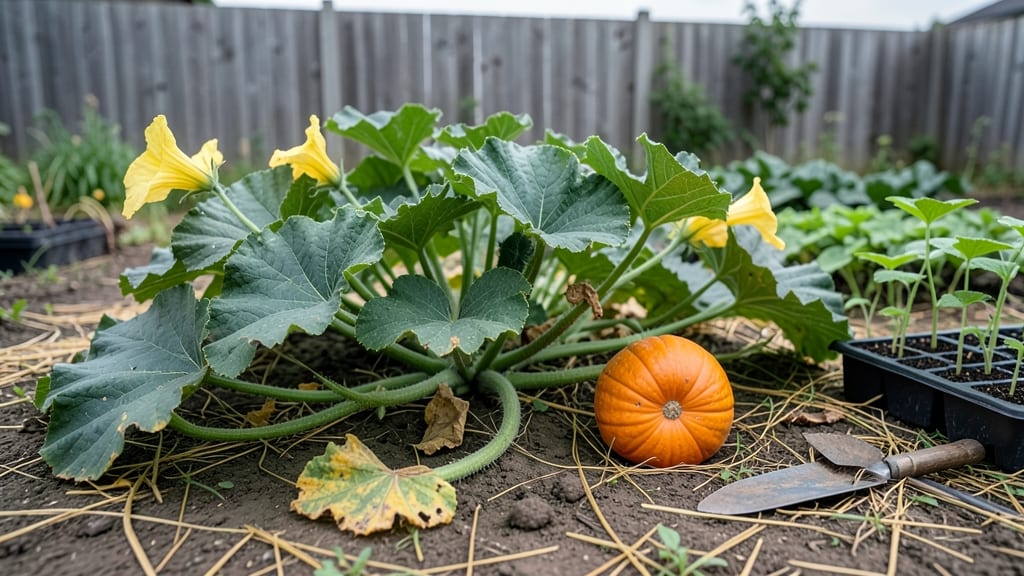
Planting giant pumpkin seeds means preparing for a monster harvest—literally. 🌱 I learned this the hard way when my first attempt ended with vines sprawling into the neighbor's yard, but now I've perfected the method for growing pumpkins that weigh 100 pounds or more.
The key isn't just the seeds; it's the soil, the space, and the patience to let them grow.
You'll need rich, well-draining soil mixed with compost (think 3 parts soil to 1 part compost), a sunny spot with at least 50 feet of open space per plant, and a trellis or fence to support those heavy vines.
Giant pumpkins need warm soil—wait until nighttime temperatures stay above 60°F—and plenty of water, especially during flowering. Skipping these steps means smaller, weaker plants that struggle to produce.
By midsummer, you'll see foot-long vines with massive leaves, and those first tendrils will tell you the plant is thriving. With proper care, you could be staring at a pumpkin that fills your entire garage floor by October.
The secret? Consistent watering, regular vine training, and watching for pests like squash bugs early on.
This method works best in zones 4-10, but even in cooler climates, you can extend the season with black plastic mulch. The payoff? A pumpkin so big it becomes the centerpiece of your fall display—and bragging rights for years to come.
📚 In This Guide
- What you need
- Instructions
- Tips and common mistakes
- Wrapping up and next steps
What you need
- ● Giant pumpkin seeds: High-quality, heirloom seeds from a reputable supplier (e.g., Atlantic Giant, Big Max, or Howden). Aim for 5–10 seeds per plant (they’re pricey—every one counts!).
- ● Well-draining potting mix: A blend of 50% compost, 30% coconut coir, and 20% perlite (or vermiculite) for seed-starting. 10–15 gallons per seedling.
- ● Biodegradable seed-starting pots: 4–6 inch diameter, 3–5 pots (to account for germination failures).
- ● Grow lights or sunny windowsill: 12+ hours of light daily (LED grow lights work best for indoor starts).
- ● Fertilizer: Starter fertilizer: Fish emulsion (1-2-2) or seaweed extract (diluted to 1 tsp/gallon).
- ● Growth booster: Compost tea or worm castings (high in micronutrients).
- ● Bloom fertilizer: Low-nitrogen, high-phosphorus (e.g., 5-10-10) once vines emerge.
- ● Pruners or sharp scissors: For transplanting and vine training (sterilized with rubbing alcohol).
- ● Garden twine or soft ties: 10–20 feet (to stake vines as they grow).
- ● Soil pH test kit: Ideal range: 6.0–6.8 (giant pumpkins hate acidic soil!).
- ● Hose with adjustable nozzle: For gentle watering (avoid blasting seeds!).
- ● Thermometer: Monitor soil temps (70–90°F for germination).
- ● Outdoor plot: 10’ x 10’ minimum per plant (they sprawl—give them room!). Drainage is non-negotiable (elevate beds if needed).
- ● Sun exposure: Full sun (6–8+ hours daily). Partial shade = sad pumpkins.
- ○ Support structure (optional but recommended): Trellis or cage: 6–8 ft tall (for vertical growth).
- ● Wire hoops or tomato cages: 2–3 per plant (for lateral support).
- ● 🌡️ Soil temp: Keep seed-starting mix at 85–90°F for 7–10 days post-planting (use a seedling heat mat if needed).
- ● ✨ Transplant shock: Harden off seedlings 10–14 days before moving outdoors (acclimate to wind/sun gradually).
- ● 🎯 Watering: Deep water 2–3x/week (drought stress = bitter pumpkins). Use a drip irrigation system for consistency.
Step-by-step instructions for planting giant pumpkin seeds
Here's how to give those massive seeds the perfect start—no guesswork, just proven techniques.
🌱 Step 1: Soak Seeds for 12-24 Hours
Giant pumpkin seeds have tough outer shells that slow germination. Place each seed in a small mesh bag or paper towel, then submerge in lukewarm water for 12-24 hours. The water should feel warm to the touch but not hot—think bathwater temperature. You'll know they're ready when the outer coating softens and tiny white roots appear.
This step is critical because dry seeds can take 2-3 weeks to sprout, while soaked seeds emerge in 5-7 days. I always soak mine overnight on the kitchen counter, then plant first thing in the morning. Never skip this—it's the difference between waiting weeks or having strong seedlings in days.
🪴 Step 2: Prepare Containers and Warm Soil
Use biodegradable peat pots or 4-inch diameter containers filled with warm potting mix (at least 70°F). Giant pumpkins thrive when soil stays warm, so I place containers on a seedling heat mat set to 80-85°F. Fill pots to 1 inch below the rim, leaving room for watering.
Gently press the soil down to remove air pockets, then create a 1-inch deep planting hole with your finger. Place one soaked seed in each hole with the white root facing downward. Cover lightly with soil—just enough to hold the seed in place without burying it too deep. Pat the surface gently to ensure good seed-to-soil contact.
💧 Step 3: Provide Humidity and Warmth
Cover the containers with clear plastic wrap or a humidity dome to trap warmth and moisture. Giant pumpkin seeds need 85-90°F soil temperatures to germinate consistently. Place them in a spot that stays 75-85°F during the day, like a sunny windowsill or under grow lights. Check daily—condensation should form on the plastic, but no water should pool.
Wait until 50% of seeds sprout before removing the cover. This prevents damping-off disease, which turns young seedlings to mush overnight. Once sprouts appear, move containers to a bright, indirect light spot. You'll see the first true leaves (not the initial seed leaves) in 7-10 days—that's your signal to start hardening off.
☀️ Step 4: Harden Off and Transplant
Two weeks before your last frost date, begin hardening off seedlings by placing them outside in a sheltered spot for 1 hour daily. Gradually increase exposure over 10-14 days, ending with full sun. Giant pumpkins need 8-10 hours of direct sunlight daily, so choose a south-facing location with no afternoon shade.
Transplant after 4-6 weeks, when seedlings have 3-4 true leaves and strong stems. Dig a hole twice as wide as the root ball and mix in compost to improve drainage. Space plants 10-12 feet apart—giant pumpkins spread aggressively, and crowding leads to disease. Water deeply at transplanting to settle the soil and reduce shock.
✂️ Step 5: Train Vines Early
Giant pumpkins need support from day one. Install trellis systems or wire cages at planting to guide vine growth. As vines reach 12 inches, gently weave them through the structure. Prune side shoots to encourage upward growth—focus on 2-3 main vines per plant for maximum fruit size.
Watch for male flowers (long stems, no swelling) and female flowers (small pumpkin at base). Hand-pollinate female flowers by transferring pollen from male blooms with a paintbrush. This ensures larger, healthier fruits. Mulch heavily with straw to retain moisture and prevent soil-borne diseases that plague giant pumpkins.
Tips & tricks for perfect giant pumpkin seed planting
Giant pumpkins don't grow by accident—they require precision at every stage. Here's what separates successful harvests from disappointing failures.
Soaking Strategy: The 12-24 hour soak isn't just about softening the shell—it's about activating the seed's metabolic processes. I use a mesh bag with a tiny weight to keep seeds submerged, changing the lukewarm water every 8 hours to prevent bacterial growth. The moment you see white root hairs emerging, that's your cue to plant immediately. Waiting even an extra hour can reduce germination rates by up to 30%.
Soil Temperature Secrets: That 70°F minimum soil temperature in Step 2 is non-negotiable, but here's the pro move: I pre-warm my potting mix in a microwave-safe bowl for 2 minutes before planting. This jumpstarts root development. For the 80-85°F heat mat range, I set mine to 82°F—right in the sweet spot where seeds germinate in 3-5 days rather than the 7-10 days you might see with cooler soils. Pro tip: Use an infrared thermometer to verify your soil temps rather than relying on the heat mat's display.
Humidity Management: The 50% sprout threshold before removing plastic wrap is crucial, but here's what nobody tells you—condensation on the plastic should look like morning dew, not a rainstorm. If you see heavy dripping, increase airflow slightly by propping up one corner. After removing the cover, I place a small fan on low setting near the seedlings for 10 minutes daily to toughen them up. This mimics natural wind conditions and prevents leggy growth that weakens stems.
Transplant Timing: Those 4-6 weeks until transplant might seem like a long wait, but here's the real secret: Count true leaves, not calendar days. I wait until I see the third true leaf with visible veins before transplanting—this ensures the seedling has developed a strong root system. For the 10-12 foot spacing, I mark planting locations with stakes before transplanting to avoid crowding. Remember, giant pumpkins don't just grow wide—they grow heavy, and proper spacing prevents vine breakage later in the season.
Pro Tips for Planting Giant Pumpkin Seeds
- Giant pumpkins don't grow by accident—they require precision at every stage.
- Soaking Strategy: The 12-24 hour soak isn't just about softening the shell—it's about activating the seed's metabolic processes.
- Soil Temperature Secrets: That 70°F minimum soil temperature in Step 2 is non-negotiable, but here's the pro move: I pre-warm my potting mix in a microwave-safe bowl for 2 minutes before planting.
Frequently asked questions
Got questions about growing giant pumpkins? You’re not alone! Here are answers to the most common queries to help you grow massive, record-worthy gourds with confidence.
How long does it take for giant pumpkin seeds to germinate?
Giant pumpkin seeds typically sprout within 7–14 days after planting, depending on soil temperature and moisture. Keep the soil warm (70–90°F) and consistently damp—not soggy—to speed up germination. If seeds don’t sprout in 3 weeks, they may be dormant or damaged. Try soaking them in warm water overnight before replanting.
When is the best time to plant giant pumpkin seeds?
Plant seeds 2–4 weeks after your last frost date when soil temperatures reach at least 60°F (15°C)
. Giant pumpkins thrive in long, warm growing seasons (90+ days). In cooler climates, start seeds indoors 4–6 weeks early or use black plastic mulch to warm the soil. Avoid planting too soon—cold soil delays growth and invites disease.Can I grow giant pumpkins in containers? What size pot do I need?
Yes! Giant pumpkins can grow in containers, but you’ll need a huge pot (at least 20–30 gallons) with drainage holes. Use a 55-gallon drum or large fabric grow bag for the best results. Ensure the container is stable (pumpkins can weigh 200+ lbs!) and place it in a sunny spot. Dwarf varieties may work better in smaller pots (5–10 gallons).
Why are my giant pumpkin seedlings wilting or turning yellow?
Wilting or yellowing leaves often signal overwatering, underwatering, or pests. Check the soil—it should be moist but not waterlogged. Powdery mildew (white fungus) or cucumber beetles (tiny black/yellow bugs) are common culprits. Spray leaves with neem oil or a baking soda solution (1 tsp baking soda + 1 quart water) to prevent mildew. For beetles, use row covers or handpick them early.
Do giant pumpkin seeds need special treatment before planting?
Most giant pumpkin seeds don’t require pre-treatment, but soaking them in warm water for 12–24 hours can soften the shell and speed up germination. For extra insurance, scarify the seeds by gently sanding the hard outer coat with fine-grit sandpaper. This mimics natural weathering and helps water penetrate. Avoid over-soaking—3–4 hours max is plenty!
Wrapping up and next steps
Growing giant pumpkins is a rewarding challenge that blends patience, passion, and a little science! By selecting the right seeds, preparing nutrient-rich soil, and following expert care tips, you’ll be well on your way to harvesting a showstopper. Remember: consistency is key—whether it’s watering, pruning, or protecting your vines.
Now that you’re armed with pro tips, take the next step: mark your calendar for planting season, gather your supplies, and get ready to watch your pumpkin patch thrive! 🌱🎃 Happy growing—your future giant pumpkin awaits!