
Vegetables
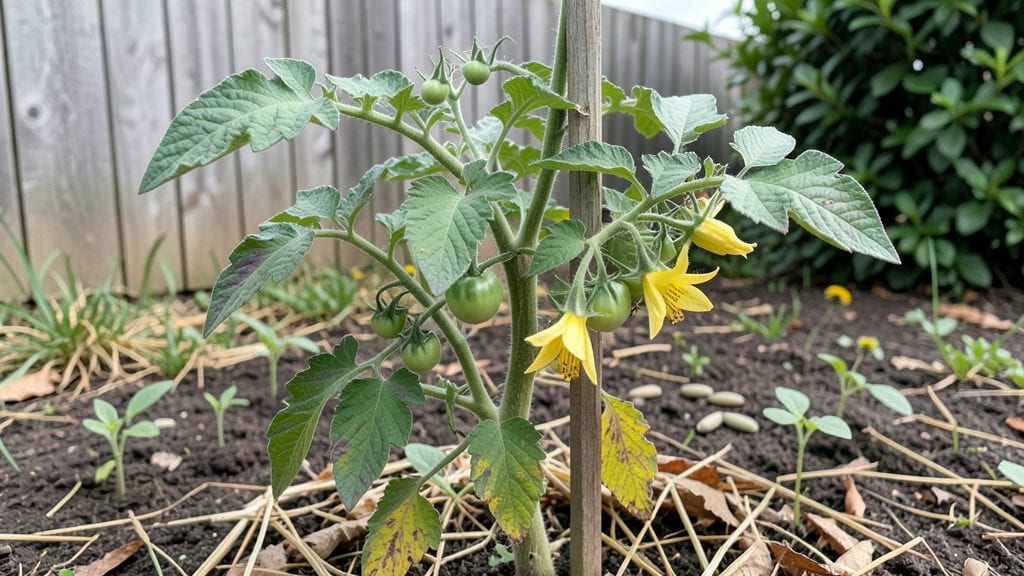
Planting beans with tomatoes isn’t just clever gardening—it’s a harvest-boosting duo that turns two good crops into an unbeatable team. 🌱 I learned this the hard way after watching my tomato plants struggle in nitrogen-poor soil, until I tucked in pole beans nearby.
The beans don’t just survive; they thrive while feeding the tomatoes, and the tomatoes shade the beans from blistering afternoon sun.
The magic happens in the soil and spacing. You’ll need well-draining soil rich in organic matter, plus sturdy trellises for the beans to climb—3 feet tall is ideal. Plant tomatoes first, about 18 inches apart, then slip bean seeds into the soil 6 inches away from tomato stems.
The beans fix nitrogen, while tomatoes provide shade and support, creating a self-sustaining system that cuts fertilizer costs and extends both harvests.
By mid-summer, you’ll be picking juicier tomatoes and sweeter beans than ever before. The beans climb higher, the tomatoes produce heavier fruit, and weeds struggle to compete in the dense foliage. This isn’t just companion planting—it’s a year-round upgrade for your garden’s productivity, with less work and more flavor.
Fair warning: watch for aphids on the beans or early blight on tomatoes, but a quick spray of neem oil keeps both plants happy. The payoff? A longer, richer harvest with half the effort. Ready to try this classic combo?
📚 In This Guide
- What you need
- Instructions
- Tips and common mistakes
- Wrapping up and next steps
What you need
- ● Tomato seeds or seedlings: Determinate varieties (bush tomatoes) work best for companion planting.
- ● Quantity: 1-2 plants per 4 sq ft of garden space.
- ● Bean seeds: Pole beans (e.g., Kentucky Wonder) or bush beans (e.g., Blue Lake).
- ● Quantity: 3-5 seeds per foot of trellis or 1 seed per 6 inches in rows.
- ● Well-draining potting mix or garden soil: For containers: 10-15 gallons per large pot (12"+ diameter).
- ● For in-ground: Amend with 2-3 inches of compost per sq ft.
- ● Compost or organic fertilizer: Balanced 10-10-10 or tomato-specific fertilizer (follow package rates).
- ● Trellis or stakes: For pole beans: 5-6 ft tall trellis or bamboo stakes (1 per 3-4 sq ft).
- ● Garden trowel or hand shovel (for transplanting seedlings).
- ● Watering can or hose with gentle nozzle (avoid blasting seeds!).
- ● Pruning shears (for trimming tomato suckers later).
- ○ Garden gloves (optional but handy!).
- ● Mulch (straw or shredded leaves) (1-2 inches to retain moisture).
- ● Sunlight: Full sun (6-8+ hours daily)—both beans and tomatoes are sun-worshippers! 🌞
- ● Spacing: Plant tomatoes 18-24 inches apart.
- ● Sow beans 1-2 inches from the tomato stems (they’ll climb nearby stakes).
- ● Soil pH: Aim for 6.0-7.0 (test with a kit if unsure).
- ● Timing: Start tomatoes indoors 6-8 weeks before last frost or buy sturdy seedlings.
- ● Sow beans 1-2 weeks after last frost (they’re frost-sensitive!).
Step-by-Step instructions for planting beans with tomatoes
Here's the precise method for maximizing both yields by leveraging their natural synergy.
🌱 Step 1: Prepare the Planting Site for Optimal Growth
Choose a location with full sun exposure (6-8 hours daily) and well-draining soil. Tomatoes need fertile ground rich in organic matter, while beans thrive in slightly poorer soil to prevent overgrowth. I always work in 2-3 inches of compost mixed into the top 6 inches of soil for tomatoes, while beans get a lighter top-dressing of compost to avoid nitrogen overload.
Test your soil pH—tomatoes prefer 6.0-6.8, while beans do best at 6.0-7.0. If your soil is too alkaline, add sulfur to adjust. The key is creating distinct micro-zones: tomatoes need nutrient-rich soil, while beans benefit from less competition for nitrogen. Space rows 18-24 inches apart to allow airflow and prevent disease.
🌿 Step 2: Plant Tomatoes First for Structural Support
Plant tomato seedlings 12-18 inches apart in holes deep enough to bury ⅔ of the stem—this encourages strong root development. I always stake each tomato plant immediately with 5-6 foot stakes or use a cage system. The vertical structure will later support the climbing beans, creating a natural trellis effect that saves space and improves airflow.
Water deeply after planting to settle the soil around roots, but avoid overwatering—soggy soil invites fungal diseases. Mulch around the base with 2-3 inches of straw to retain moisture and suppress weeds. The mulch also keeps soil temperatures stable, which is critical for both plants during hot afternoons.
🌱 Step 3: Sow Bean Seeds Alongside Tomatoes
Wait 2-3 weeks after planting tomatoes before sowing beans—this gives tomato roots time to establish without competing for nutrients. Plant bush beans 4-6 inches apart in rows 12-18 inches from tomato plants, or use pole beans for vertical growth along tomato stakes. The beans' nitrogen-fixing roots will enrich the soil as they grow, benefiting the tomatoes later in the season.
Sow seeds 1 inch deep—deeper planting delays germination. Keep the soil consistently moist but not waterlogged until germination, which typically occurs in 7-14 days depending on temperature. You'll see the first true leaves emerge as small, rounded shapes distinct from the initial seed leaves (cotyledons).
☀️ Step 4: Maintain Water and Nutrient Balance
Water the pair 1-1.5 inches per week, directing moisture to the base of plants rather than overhead to prevent disease. Tomatoes need consistent moisture, while beans are more drought-tolerant. I water in the early morning to reduce evaporation and fungal risks. Fertilize tomatoes with a balanced 10-10-10 formula every 3-4 weeks, but avoid fertilizing beans—they get all their nitrogen from the air via root nodules.
Watch for signs of nutrient competition: if tomato leaves yellow between veins (a classic nitrogen deficiency), it's a sign beans are outcompeting them. In this case, reduce bean density or prune some plants. Conversely, if beans grow slowly, they may need more phosphorus—side-dress with bone meal lightly around their roots.
✂️ Step 5: Prune and Train for Maximum Yield
As beans climb, gently weave their vines around tomato stakes or through tomato cages. This creates a living trellis that saves garden space and improves air circulation. Prune tomato suckers (the shoots that grow in the leaf axils) to direct energy to fruit production. Remove any diseased leaves immediately to prevent spread—both plants are susceptible to early blight and bacterial spot.
Harvest beans regularly to encourage continuous production. Pick tomatoes when they're fully colored and slightly soft to the touch. The beans' natural growth habit shades the soil, reducing weed pressure and moisture loss. By late summer, you'll see tomatoes thriving with fewer signs of stress, thanks to the beans' nitrogen contributions.
Tips & tricks for perfect companion planting of beans with tomatoes
This pairing isn't just about space-saving—it's a symbiotic relationship that can transform your garden's productivity. Here's how to maximize their natural benefits while avoiding common pitfalls that can turn this dynamic into disaster.
Soil Micro-Zone Strategy: The key to success lies in creating distinct soil environments within the same bed. In Step 1, when you're mixing 2-3 inches of compost into the top 6 inches for tomatoes, resist the urge to over-fertilize the beans' area. Beans thrive in slightly leaner soil—they'll actually suffer if you give them too much nitrogen, which they can produce themselves through their root nodules. Think of it as creating a nitrogen-rich "halo" around your tomatoes while keeping beans in a more balanced environment. This prevents the classic competition where beans outcompete tomatoes for nutrients.
Timing is Everything: That 2-3 week waiting period before sowing beans in Step 3 isn't arbitrary—it's crucial for establishing the tomato roots' dominance. I've seen gardens where impatient gardeners plant beans too soon, only to watch tomato seedlings struggle while beans take over. During this period, focus on giving tomatoes consistent 1-1.5 inches of water per week to encourage strong root development. The deeper those roots go, the better they'll anchor the climbing beans later. Pro tip: Use a soil probe to check root depth—aim for at least 12 inches before introducing beans.
Vertical Integration Hack: When you're training beans to climb tomato stakes in Step 5, think beyond simple support. Weave the bean vines through the tomato cages in a crisscross pattern rather than letting them grow straight up. This creates a living trellis that:
- Maximizes sunlight exposure for both plants
- Provides natural shade for beans during peak afternoon heat
- Creates airflow that reduces disease risk for both species
The result? Beans produce more pods while tomatoes develop fewer leaf diseases like early blight. Just be gentle—beans have delicate stems that can snap under rough handling.
Nutrient Monitoring System: The yellowing between tomato veins you might see in Step 4 is your early warning system. But here's what nobody tells you: if you notice this happening, don't just reduce bean density—test your soil's nitrogen availability. Use a simple soil test kit to check nitrate levels. If they're above 20 ppm, your beans are indeed over-producing nitrogen. In this case, consider pruning some bean plants while leaving others to continue their nitrogen-fixing work. The goal is balance: enough nitrogen for tomatoes without smothering them.
Pro Tips for Planting Beans With Tomatoes
- This pairing isn't just about space-saving—it's a symbiotic relationship that can transform your garden's productivity.
- Soil Micro-Zone Strategy: The key to success lies in creating distinct soil environments within the same bed.
- Timing is Everything: That 2-3 week waiting period before sowing beans in Step 3 isn't arbitrary—it's crucial for establishing the tomato roots' dominance.
Frequently asked questions
Got questions about growing beans and tomatoes together?
You’re not alone! Here are some of the most common concerns—and their solutions—to help you maximize your garden’s potential.
Can I plant beans and tomatoes in the same pot or container?
Yes, but with caution! Beans thrive in loose, well-draining soil, while tomatoes need slightly richer, moisture-retentive soil. Use a 10-gallon+ container with a mix of compost and organic matter. Place beans on the north side (to avoid shading tomatoes) and tomatoes in the center. Monitor moisture closely—beans dry out faster!
How far apart should I space beans and tomatoes?
Give tomatoes 18–24 inches of space (they sprawl!) and beans 4–6 inches apart in rows. If planting in the same bed, stagger them: place beans 12–18 inches from tomato stems to prevent competition. Bush beans work better than pole beans near tomatoes, as they take up less vertical space.
Will beans attract pests that harm tomatoes?
Beans can reduce tomato pests like hornworms (their predators, like parasitic wasps, thrive near beans), but they may also draw aphids or Mexican bean beetles. Solution: Use row covers early in the season, plant nasturtiums as a trap crop, and handpick pests. Avoid over-fertilizing beans—it makes them more appealing to insects.
What if my tomatoes aren’t doing well near beans?
Tomatoes struggling near beans often suffer from nutrient competition or shading. Try these fixes:
- Prune tomato suckers to improve airflow and light.
- Add a balanced fertilizer (like 5-5-5) to the soil around tomatoes.
- Move pole beans to a trellis on the opposite side of the bed.
- Harvest beans early if they’re outcompeting tomatoes.
Are there better companion plants for tomatoes than beans?
Beans are a great companion, but other winners include:
- Basil (repels pests, improves flavor).
- Marigolds (deter nematodes).
- Onions/garlic (reduce early blight).
- Carrots (loosen soil, deter tomato hornworms).
If space is tight, prioritize basil or marigolds—they’re low-maintenance and highly effective.
Wrapping up and next steps
Planting beans with tomatoes isn’t just a clever gardening trick—it’s a game-changer for boosting yields, deterring pests, and maximizing space in your garden. 🌱✨ By harnessing their natural synergy, you’ll enjoy healthier plants, fewer weeds, and a bountiful harvest that’ll make your neighbors green with envy. Ready to put this duo to work?
Your next step? Grab those seeds, sketch out your companion planting layout, and get growing! Start small if you’re new—even a single tomato plant paired with bush beans will show you the magic. Happy planting, and may your garden thrive!