
Plants
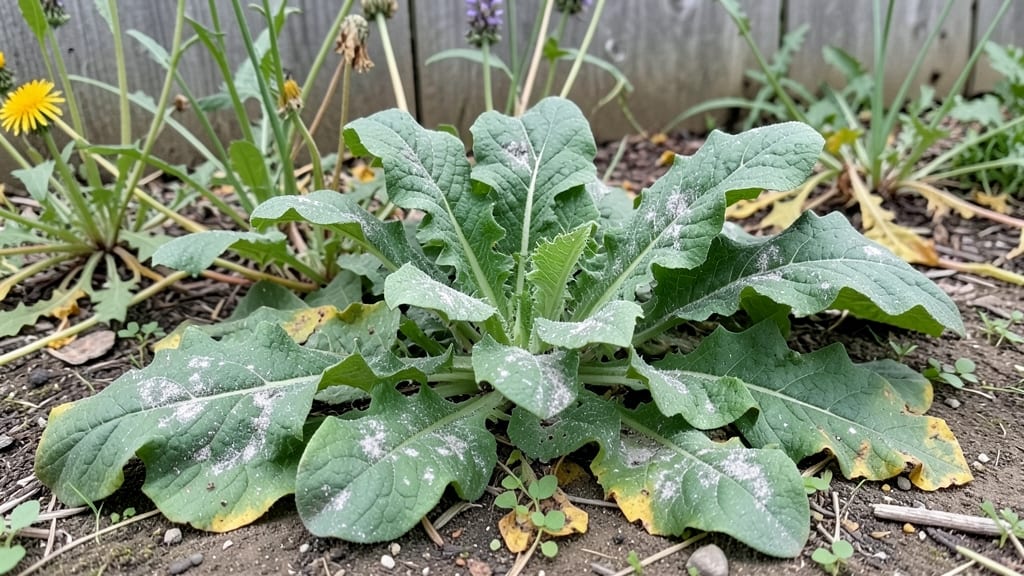
Plant fungus in crosswords often refers to common terms like mildew, rust, blight, or mold, which describe harmful organisms affecting crops and gardens. Clues may use wordplay like synonyms (e.g., 'plant disease') or abbreviations (e.g., 'FOM' for fire blight).
Crossword puzzles love to test your gardening knowledge with plant fungus terms, which often appear as leaf diseases or crop infections.
These clues frequently use shortened forms like "mildew" for powdery mildew or "blight" for late blight, while wordplay can hide them in phrases like "sooty fungus" or "root parasite." 🌱 The key is recognizing how these terms appear in gardening contexts—whether as scientific names (e.g., Phytophthora for root rot) or everyday descriptions (e.g., "leaf spot").
For example, a clue like "Fungal growth on leaves" likely points to mildew, while "Orange rust on roses" hints at rust fungus. Many crosswords also use abbreviations like "FOM" for fire blight or "DM" for downy mildew, so familiarizing yourself with these shorthands can speed up solving.
The more you garden—or even just read gardening articles—you'll start spotting these patterns in clues.
💡 In This Article
- Common Plant Fungus Terms in Crossword Puzzles
- Solving Crossword Clues with Plant Fungus Themes
Common plant fungus terms in crossword puzzles
Crossword puzzles often hide plant fungus terms using gardening jargon that might not be immediately obvious. For instance, powdery mildew—a white, powdery fungus that thrives on leaf surfaces—appears in clues like "leaf disease" or "white growth."
Its scientific name, Erysiphe, is rarely used in puzzles, but the common term fits perfectly in 5-letter grids.
Another frequent term is black spot, caused by the fungus Diplocarpon rosae, which shows up as dark spots on leaves and is often referenced in clues like "rose leaf blemish."
Fungal rusts (like Puccinia) are another common crossword term, appearing in clues such as "orange plant disease" or "fungus on wheat." These fungi create rust-colored pustules on leaves, making them visually distinct.
Meanwhile, root rot, caused by Phytophthora or Pythium, is often hinted at with phrases like "soil fungus" or "plant root decay." The scientific names are rarely used, but the general idea fits clues like "wet soil disease."
Crossword constructors also love abbreviations like FOM for fire blight (a bacterial disease, but often mistakenly grouped with fungi in puzzles) or DM for downy mildew, a fungal infection that leaves yellow patches on leaves. These shorthands appear in clues like "apple tree disease" or "vine fungus."
Understanding these patterns helps solve clues faster—especially when paired with gardening knowledge or common synonyms like "leaf spot" for anthracnose or "sooty fungus" for mold growing on honeydew-producing insects.
Here's what's actually happening in clues: many fungal terms are described through their effects rather than their names. For example, mildew might be hinted at with "white powder" or "vine disease," while blight (like late blight, caused by Phytophthora infestans) could appear as "potato rot" or "leaf collapse."
The key is recognizing these descriptions—often tied to specific plants (e.g., "tomato blight" = late blight) or symptoms (e.g., "gray mold" = Botrytis cinerea).
Wordplay is another layer. Clues might use anagrams (e.g., "DAMP ORE" = moldy) or homophones (e.g., "fungus" sounding like "fungus" in "plant parasite"). Even scientific terms like Phytophthora might be simplified to "Phyto-" in clues, testing your familiarity with gardening terminology.
The more you expose yourself to these terms—whether through gardening or crossword dictionaries—the easier they become to spot. 🌿
For example, a clue like "Fungal growth on roses" likely points to black spot, while "Orange pustules on wheat" hints at rust fungus.
These terms are often tied to specific plants, so knowing which fungi affect which crops (e.g., apple scab on apples, powdery mildew on grapes) can crack even tricky clues. Crossword solvers who garden regularly or follow horticulture news often have an edge here.
Don't overlook the role of sooty mold, a black fungus that grows on honeydew excreted by aphids. It might appear in clues like "black fungus on leaves" or "aphid byproduct." Meanwhile, smut (a fungus affecting grains like corn) could show up as "corn disease" or "black grain fungus."
These terms are less common but appear in advanced puzzles. The more you familiarize yourself with these patterns, the more confident you'll become at solving them. 💫