
Pests and Diseases
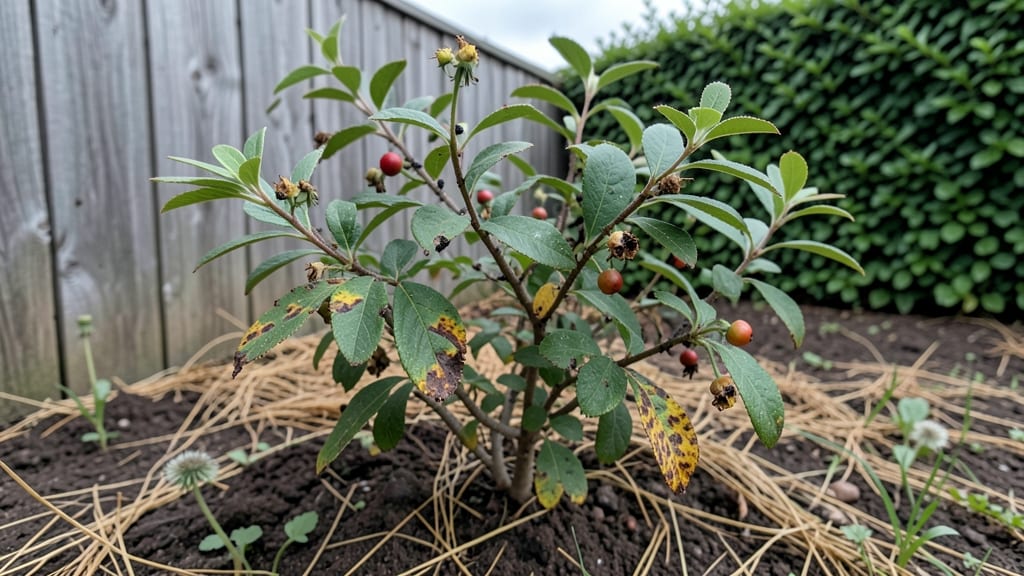
Barberry plants fighting rust or powdery mildew can look like they’re losing a battle—but they’re not. ✨ I’ve seen these diseases turn vibrant shrubs into sad, yellowed shadows, but the right approach brings them back to life.
The key is catching symptoms early: rust shows as orange pustules on leaves, while powdery mildew coats them in white fuzz.
Most problems start with poor airflow or wet foliage. Barberries need space—6-8 feet apart—and pruning to let light and air circulate. I learned the hard way that skipping cleanup after storms spreads spores like wildfire.
Organic sprays with neem oil or baking soda work wonders when applied at the first sign of trouble.
With proper care, your barberries will bounce back stronger. Healthy plants resist disease better, and a quick cleanup after each season keeps next year’s growth protected. The payoff? Lush, disease-free shrubs that thrive year after year—no more panic when you spot those first suspicious spots.
Works for all barberry varieties, from the classic Berberis thunbergii to ornamental types. Here’s how to keep yours fighting fit all season long.
Root Causes of Barberry Struggles
Barberry plants—with their striking foliage and vibrant berries—can quickly become a gardener’s nightmare when fungal diseases strike. Understanding why these issues arise is the first step to protecting your plants.
Below, we break down the key factors that create the perfect storm for barberry plant disease, from environmental conditions to human habits.
Most barberry diseases are caused by fungal pathogens, which thrive in moist, warm conditions. Here’s how they take hold:
- 🍄 Gymnosporangium (Rust Fungi):
- These fungi require two hosts to complete their life cycle—barberry and apple or crabapple trees. Spores from infected fruit trees land on barberry leaves, germinate, and form aecia (rust-colored pustules). Without barberry, rust fungi cannot reproduce, making this plant a critical alternate host for the disease.
- Why it spreads: Wind, rain, and even garden tools can transfer spores between plants.
- 🍅 Venturia inaequalis (Apple Scab):
- While primarily an apple tree pathogen, this fungus can also infect barberry leaves, causing dark, scab-like lesions. It survives in infected leaf debris over winter and reactivates when conditions are damp and cool (50–75°F).
- Why it’s sneaky: Infected barberry plants act as a reservoir, ensuring the fungus has a safe haven to overwinter and reinfect nearby fruit trees.
- 🍂 Phomopsis and Septoria Species:
- These fungi cause leaf spots, blights, and twig dieback by entering through wounds or natural openings in the plant’s tissue. They thrive in high humidity and poor air circulation, which allows spores to splash onto healthy leaves during rain.
Fungi don’t act alone—weather conditions are often the match that lights the fire. Here’s how climate plays a role:
- 💧 Excessive Moisture & Poor Drainage:
- Barberry plants hate soggy roots. Overwatering, heavy clay soil, or inadequate drainage creates waterlogged conditions, which fungi love. Wet foliage (from rain or overhead watering) also allows spores to germinate and spread rapidly.
- Pro tip: 🌡️ Morning watering (instead of evening) gives leaves time to dry before nighttime humidity sets in.
- 🌡️ Temperature & Humidity Sweet Spots:
- Most fungal diseases peak when temperatures hover between 60–80°F (15–27°C) with high humidity (70%+). For example:
- Rust fungi thrive in cool, wet springs.
- Leaf spots (like Septoria) spread fastest in warm, humid summers.
- Why it matters: Fungi don’t spread as fast in extreme heat (>90°F) or freezing temps (<32°F), but they lie dormant until conditions improve.
- Most fungal diseases peak when temperatures hover between 60–80°F (15–27°C) with high humidity (70%+). For example:
- 🌬️ Lack of Airflow:
- Dense plantings, overcrowded shrubs, or tall grass brushing against barberry leaves traps moisture and reduces airflow. Stagnant air = fungal paradise.
- Fix it: Prune for open spacing (3–4 feet between plants) and avoid planting near shady, damp areas.
Sometimes, well-meaning gardening practices unintentionally invite disease. Here’s how:
- 🌿 Planting in the Wrong Spot:
- Barberry thrives in full sun to partial shade, but planting it in low-lying areas (where water pools) or near leaky sprinklers keeps foliage damp. Additionally, shady, humid microclimates (like under trees) encourage fungal growth.
- Solution: Choose well-draining, elevated sites with at least 6 hours of sunlight.
- 🍂 Ignoring Leaf Debris:
- Fungal spores overwinter in fallen leaves, twigs, and fruit. If you don’t clean up infected plant material, the cycle repeats the next season.
- Action step: 🔪 Rake and dispose of (don’t compost!) fallen leaves in fall and prune out diseased branches before they drop.
- 🛠️ Poor Pruning Practices:
- Using dull or contaminated tools can spread fungal spores from one cut to another. Pruning wet foliage (instead of dry) also increases infection risk.
- Pro tip: 🔥 Sterilize shears with rubbing alcohol between cuts and prune in dry weather.
- 💦 Overhead Watering:
- Watering from above splashes spores onto leaves, while drip irrigation or soaker hoses keep foliage dry. Wet leaves for more than 6–12 hours create ideal fungal conditions.
- Swap it out: 🌱 Use drip systems or water at the base of the plant in the early morning.
By addressing these root causes—fungal biology, environmental conditions, and gardening habits—you can break the cycle before diseases like rust, scab, or leaf spot take hold. The key? Prevention through smart spacing, sanitation, and timing.
Fixing Fungal Foes in Barberry
Barberry plants are tough, but fungal diseases like rust, powdery mildew, and leaf spot can turn their vibrant foliage into a sad, spotted mess. The good news? With the right approach, you can revive your plants and keep them thriving.
Below, we’ll break down targeted solutions for each common fungal issue—plus prevention tips to stop future outbreaks before they start.
Rust shows up as bright orange pustules on leaves, weakening your barberry over time. Here’s how to tackle it:
🍳 Immediate Treatment: Fungicide & Cleanup
- Apply a copper-based or sulfur fungicide (like Neem Oil Fungicide or Bonide Copper Fungicide).
Follow label instructions—usually every 7–14 days until new growth appears. - Prune infected leaves (wear gloves!) and dispose of them in the trash (not compost). ⚠️ Never burn them—spores can spread via smoke. - Thin out dense foliage to improve airflow, which fungi hate.
🌱 Long-Term Fix: Strengthen the Plant
- Water at the base (avoid overhead spraying—wet leaves = fungus party).
- Fertilize lightly with a balanced, slow-release fertilizer (like 10-10-10) in early spring to boost immunity.
- Mulch with pine needles or cedar chips (natural fungicides!).
💡 Prevention Pro Tips
✔ Rotate fungicides if rust keeps coming back—fungi develop resistance. ✔ Plant rust-resistant varieties like Berberis thunbergii ‘Rose Glow’ if rust is rampant in your area. ✔ Avoid overcrowding—barberries need space to breathe (literally).
This white, powdery coating on leaves isn’t just ugly—it blocks sunlight and stunts growth. Act fast!
👨🍳 DIY Remedies (Safe & Effective)
- Baking soda spray: Mix 1 tsp baking soda + 1 tbsp horticultural oil + 1 tsp soap per gallon of water.
Spray every 7–10 days until mildew disappears. - Milk spray: 1 part milk to 9 parts water (yes, really!). Spray weekly—the proteins fight fungus naturally. - Neem oil: 1–2% solution (follow label) to smother spores.
🔪 Radical Reset for Bad Cases
- Prune severely infected branches (up to ⅓ of the plant if needed).
- Wipe leaves with a damp cloth (gentle, but it helps remove spores).
- Move the plant to a sunnier, drier spot (powdery mildew loves shade and humidity).
🌡️ Prevention: Dry & Airy Conditions
- Water early in the day so leaves dry quickly.
- Space plants 3–4 feet apart for airflow.
- Avoid nitrogen-heavy fertilizers (they encourage soft, mildew-loving growth).
Brown or black spots with yellow halos? That’s leaf spot, and it’s highly contagious. Here’s how to stop the spread:
⏰ Quick Action Plan
- Remove all infected leaves (even small spots = future problems).
- Apply a fungicide with chlorothalonil (like Daconil) at first sign of spots.
- Disinfect pruners with rubbing alcohol between cuts.
🌿 Recovery Mode
- Avoid overhead watering—use drip irrigation or a soaker hose.
- Improve drainage—fungi love soggy soil. Amend with compost or perlite if needed.
- Avoid wounding leaves (rough pruning = entry points for fungi).
🎯 Prevention: Stay Ahead of Spots
- Water in the morning (leaves dry by evening).
- Clean up fallen leaves (they harbor spores).
- Rotate crops if growing barberries near other susceptible plants (like roses).
Don’t want chemicals?
Try these homemade sprays: | Ingredient Mix | How to Use | Frequency | |-----------------------------|----------------------------------------|---------------------| | 1 tbsp neem oil + 1 tsp soap + 1 quart water | Shake well, spray undersides of leaves | Every 7–10 days | | 1 tbsp hydrogen peroxide (3%) + 1 quart water | Spray on dry leaves (test a small area first) | Weekly | | 1 tsp cinnamon + 1 quart water | Stir, strain, spray | Every 5–7 days |
If your barberry is past saving (yellowing, wilting, or covered in spores), dig it up and destroy it (don’t compost!). Fungal diseases persist in the soil, and new plants can get reinfected. Start fresh with a healthy specimen from a nursery.
Remember: The key to beating fungal diseases is early action + prevention. Once you spot the first signs, treat aggressively and adjust care habits to keep your barberry lush and disease-free for years! 🌿✨
Frequently asked questions about barberry plant diseases
What are the most common signs of rust disease on barberry plants?
Look for bright orange or yellow pustules on the undersides of leaves—these are the telltale signs of rust fungus. As the disease progresses, leaves may turn yellow, wither, and drop prematurely. The pustules often appear in spring or early summer when conditions are damp and cool.
Can I save my barberry if it already has powdery mildew?
Yes, but act fast! Start with a baking soda spray (1 tsp baking soda + 1 tbsp oil + 1 tsp soap per gallon of water) and apply it every 7–10 days. Prune severely infected branches and move the plant to a sunnier, drier location to prevent recurrence. For bad cases, consider removing up to ⅓ of the plant to improve airflow.
Why does my barberry keep getting leaf spots even after treatment?
Leaf spots often return if spores linger in fallen leaves or infected debris. Always remove and dispose of (don’t compost) affected foliage, and sterilize pruners with rubbing alcohol between cuts. Overhead watering can also spread spores—switch to drip irrigation or soaker hoses to keep leaves dry.
Are there barberry varieties that resist rust disease?
Yes! Some rust-resistant varieties include Berberis thunbergii ‘Rose Glow’ and Berberis julianae. These cultivars are bred to tolerate fungal pressures better than traditional types. If rust is a recurring issue in your area, consider replacing susceptible plants with these hardier options.
How do I know if my barberry disease is fungal or bacterial?
Fungal diseases (like rust or powdery mildew) often show up as powdery coatings, spots with halos, or pustules. Bacterial infections, however, usually cause water-soaked lesions that ooze or dark, greasy spots on leaves and stems. Fungal issues also spread more slowly and respond to fungicides, while bacterial problems may require copper-based bactericides.