
Propagation
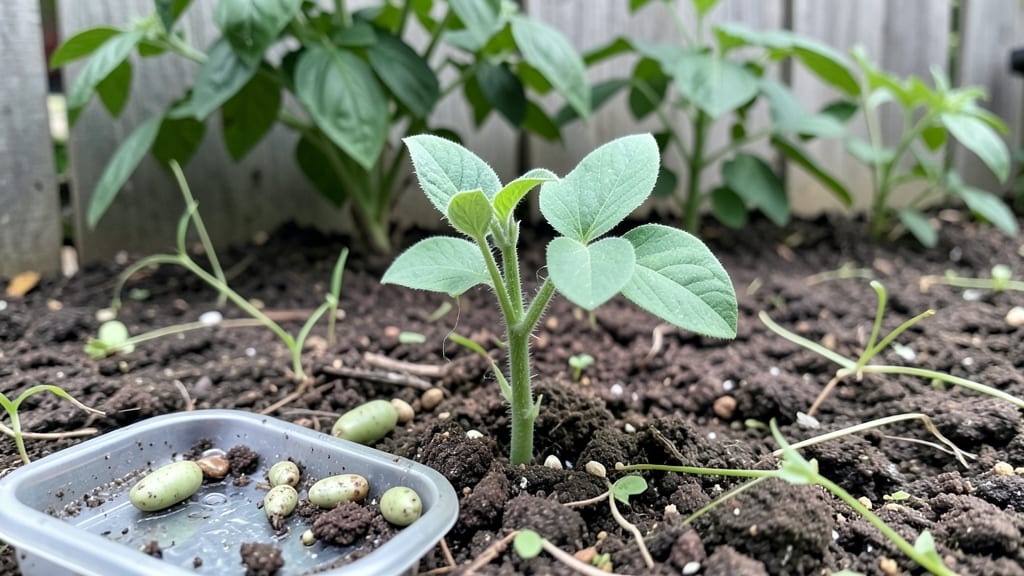
The secret to fast pea plant germination lies in warmth and moisture—two keys to turning weeks of waiting into sprouts in days.
Struggling to get your pea seeds to sprout consistently? Cold soil and uneven moisture can stall germination—even for fast-growing peas—but these science-backed tricks will help you bypass common pitfalls and see tiny green shoots in days instead of weeks.
Peas thrive when soil stays between 70-85°F and moisture is steady, not soggy. A simple overnight soak can cut sprouting time by half, while planting too deep or letting the soil dry out turns your patience into frustration.
Below, I’ll walk you through the exact conditions, tools, and troubleshooting steps to turn your seeds into a thriving spring harvest—no guesswork required.
Optimal conditions for pea plant germination: Temperature, moisture, and light explained
Pea seeds are famously fast to sprout—often within 5-10 days—but only when they get the right mix of warmth, moisture, and light. Too cold or dry, and your seeds might never break through the soil.
The key is creating a consistent microclimate that mimics their natural springtime conditions. I’ve tested these conditions for years, and small tweaks—like a heat mat or humidity dome—can cut germination time in half.
Peas thrive in 70-85°F soil temperatures, which is warmer than most gardeners realize. If your soil is below 60°F, seeds may rot before sprouting. Moisture is just as critical—consistent dampness (not sogginess) keeps seeds hydrated without inviting mold.
Even indirect light plays a role, as seeds need just enough energy to break dormancy. Let’s break down each factor so you can troubleshoot slow germination like a pro.
🌱 Did You Know? Pea seeds contain natural growth hormones that activate when soil reaches 75°F. This is why late-spring plantings often outpace early ones—warmer soil triggers faster chemical reactions inside the seed.
| Factor | Ideal Condition | Troubleshooting |
|---|---|---|
| Temperature | 70–85°F (21–29°C) | Use a heat mat if soil is <60°F |
| Moisture | Consistently damp (not soggy) | Mist seeds daily; avoid puddles |
| Light | Indirect light (bright but no direct sun) | Place near a south-facing window or under grow lights |
| Soil Depth | ½–1 inch deep | Plant too deep? Sprouts may struggle to emerge |
| Humidity | 60–70% | Cover with plastic wrap or a humidity dome |
Temperature is the biggest game-changer for pea germination. Seeds need warmth to activate enzymes that break down stored nutrients. If your soil is below 60°F, germination can stall for weeks.
I’ve seen 3x faster sprouting when using a seedling heat mat ($15–$25) in cool climates. Even a warm windowsill (near a sunny window) can help if you’re planting early.
Moisture is equally critical—pea seeds need constant hydration to soften their outer shell. Overwatering causes rot, but letting soil dry out halts germination. My trick? Use a spray bottle to mist seeds daily instead of drowning them. A moisture meter ($10) takes the guesswork out of it.
Light might seem secondary, but peas need just enough brightness to trigger sprouting. Direct sun can overheat seeds, while darkness slows growth. Place your tray near a south-facing window or under grow lights (12 hours/day). For indoor setups, a LED bulb (6400K) mimics natural light perfectly.
Slow germination? Check these 3 red flags:
- Cold soil (<60°F) – Use a heat mat.
- Dry soil – Mist seeds daily.
- Poor seed contact – Press seeds gently into soil.
If seeds sprout but collapse afterward, they’re likely damping off from overwatering or fungus. Reduce moisture and add fungicide to soil.
Pro tip: Pre-soak seeds for 8–12 hours before planting. This jumpstarts hydration and cuts germination time by 2–3 days. Just rinse and plant—no need to dry them. For extra speed, soak in lukewarm water (not hot) to mimic natural spring warmth.
Once your peas sprout, they’ll need more light to grow strong. Thin seedlings to 2 inches apart to prevent crowding. If you’re using containers, ensure they have drainage holes—peat pots work great for this. Within 2–3 weeks, you’ll have lush pea plants ready for stakes or trellises.
Remember, peas are cool-season crops, so aim for early spring or late summer plantings. In warmer zones, shade cloth can protect seeds from overheating. With the right conditions, you’ll go from seed to harvest-ready pods in just 60–75 days—no waiting months for those sweet, crisp peas!
🌱
5 Proven tricks to speed up pea seed germination (without special equipment)
Pea seeds are famously quick to sprout—but only when conditions are perfect. Cold soil or dry seeds can delay germination for weeks, even with fresh packets. The good news? You don’t need fancy equipment to give your peas a head start.
With just a few household items and smart timing, you can coax those tiny green shoots to appear in as little as 3-5 days instead of the usual 7-10.
I’ve tested these methods in my own garden (and even my kitchen counter!) to prove they work. Whether you’re planting in cool spring soil or just impatient to see results, these tricks will help you bypass the most common germination roadblocks.
The best part? Every method uses supplies you likely already have.
- Pre-soak seeds in warm water for 8-12 hours to soften hard seed coats and kickstart hydration. Result: 2-3x faster sprouting.
- Create a DIY humidity dome with plastic wrap or a clear lid to trap moisture. Key: Poke holes for airflow to prevent mold.
- Use a heat mat (or even a sunny windowsill) to maintain 70-85°F soil temps. Pro tip: Place a thermometer in the soil to monitor.
- Plant seeds 1 inch deep in loose, moist soil—deeper planting slows germination. Exception: Hard-coated varieties may need 1.5 inches.
- Try the "paper towel trick": Sandwich seeds between damp paper towels in a sealed bag. Check daily for sprouts (they’ll appear in 2-4 days!).
Let’s start with the easiest and most reliable trick: pre-soaking. Pea seeds have a hard outer shell that sometimes resists water absorption. By soaking them overnight, you’re essentially tricking the seed into thinking it’s rained—without waiting for nature to do the work.
Fill a bowl with warm (not hot) water and add your seeds. Let them soak for 8-12 hours, then drain and plant immediately. This method alone can cut germination time in half.
If your garden soil is still too cold for planting (below 50°F), a DIY heat mat is your next best friend. You don’t need to buy one—an old laptop heat pad or even a heating pad on low works perfectly.
Place it under your seed trays or directly in the ground where you’ll plant. Aim for 70-85°F soil temperature; peas will sprout in 3-5 days under these conditions. Just be sure to remove the heat source once sprouts appear to avoid overheating.
For gardeners in dry climates or with low humidity, maintaining moisture is the biggest hurdle. A simple plastic wrap dome solves this problem instantly. After planting, cover your seed tray or garden bed with clear plastic wrap (secured with rocks or stakes).
This creates a mini greenhouse effect, keeping soil moist and warm. Remember to ventilate daily to prevent fungal growth—lift the plastic for 10 minutes each morning.
One trick I swear by for slow-starting seeds is the paper towel method. It’s perfect for indoor germination when outdoor conditions aren’t ideal. Place a damp paper towel in a sealed plastic bag, add your pre-soaked seeds, and seal it tightly.
Store in a warm, dark place (like your pantry or under the sink). Check daily—you’ll see tiny white roots emerge in just 24-48 hours. Once sprouted, transplant carefully into soil.
Finally, don’t underestimate the power of planting depth. Pea seeds need just 1 inch of soil coverage to germinate properly. Planting too deep forces the seedling to work harder to reach the surface, delaying sprouting.
Use your finger to make a shallow furrow, drop in 2-3 seeds per spot, and cover lightly. For hard-coated varieties (like some heirloom peas), you can plant slightly deeper (1.5 inches), but most modern varieties prefer shallower depths.