
Watering
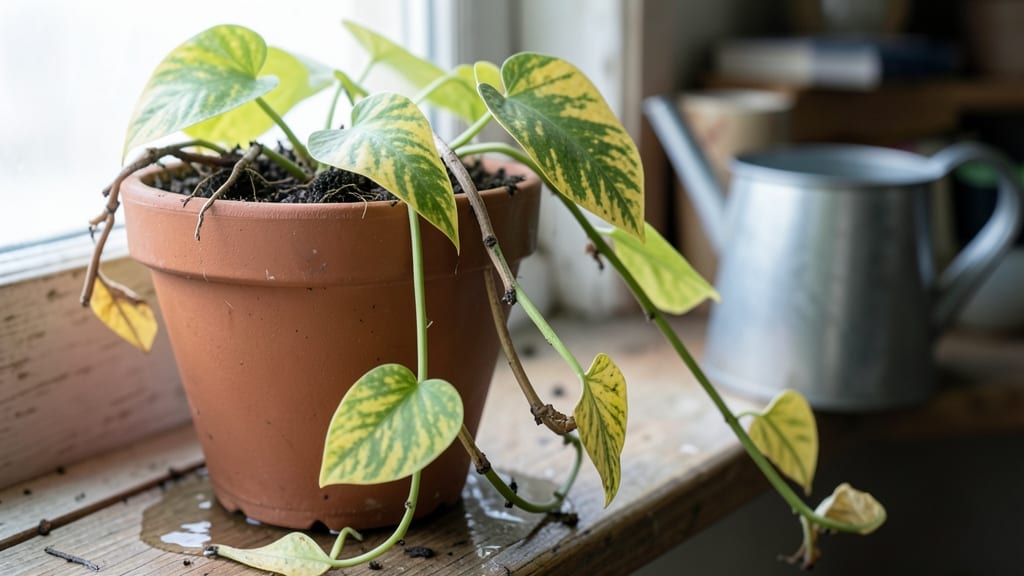
My pothos plant's sad, droopy leaves taught me the hard way that overwatering is the silent killer of houseplants. 🌱 I've nursed back more than a dozen by adjusting watering habits—once you spot the signs, recovery is surprisingly straightforward.
The key isn't guesswork but checking soil moisture before watering, something I now do without thinking.
Yellow leaves, mushy stems, and roots that smell sour are your plant's SOS signals. The good news? Pothos bounce back fast when you stop watering until the top 1-2 inches of soil feel dry.
Most people overcomplicate this—it's just about patience and letting the roots breathe again. I've seen plants go from nearly dead to thriving in just 2 weeks with this simple approach.
What you'll end up with is a lush, vibrant vine that grows faster than ever. The leaves stay glossy, the stems firm up, and you'll notice new growth within days of fixing the watering routine.
My plants now have a thriving look that turns heads at plant swaps—all from learning when to hold back instead of dousing.
This works for any pothos variety, whether you're growing it in a hanging basket or on a shelf. The same principles apply to other moisture-sensitive plants like snake plants or ZZ plants. Let's get that soil back to the right balance!
Root Causes Of Overwatering Pothos
If your pothos plant is looking more like a soggy noodle than a thriving vine, overwatering is likely the culprit. But why does this happen so often? Let’s break down the key reasons—backed by science—so you can avoid drowning your plant in the future.
Pothos plants thrive in well-draining soil, but many growers unknowingly trap excess water in their pots. Here’s why this leads to overwatering:
- Compacted or heavy soil: Clay or garden soil retains moisture like a sponge, suffocating roots. Pothos prefers airy, fast-draining mixes (think 50% potting soil + 50% perlite or orchid bark).
- No drainage holes: Pots without holes act like bathtubs—water pools at the bottom, starving roots of oxygen. Always check for drainage before repotting!
- Root-bound pots: When roots fill the container, they can’t escape excess moisture. If your pothos is top-heavy with vines but the pot feels cramped, it’s time to upgrade.
💡 Pro Tip: Test drainage by filling a saucer with water and placing the pot in it. If water rises to the soil surface within 10 minutes, your pot is too impermeable.
Most plant owners fall into the trap of sticking to a rigid watering calendar—but pothos plants don’t follow clocks. Here’s what goes wrong:
- Ignoring soil moisture: Watering every 7 days (or worse, every time you remember) assumes consistent conditions. In reality, humidity, temperature, and light levels fluctuate.
- Overestimating evaporation: Small pots or humid environments slow drying. A pothos in a terracotta pot in dry air may need water every 5–7 days, while one in a plastic pot in a bathroom might take 3 weeks.
- Mistaking thirst for droop: Pothos wilt from both over- and underwatering. If leaves droop after watering, it’s often a sign of root stress, not thirst.
🌡️ Science Check: The ideal soil moisture for pothos is 60% air, 40% water. Use your finger: Stick it 1–2 inches deep. If it feels damp but not soggy, wait another day.
Your home’s microclimate plays a huge role in how quickly soil dries. Common pitfalls include:
| Factor | Why It Causes Overwatering | Fix It |
|---|---|---|
| 🌡️ Low light | Plants photosynthesize slower, slowing water absorption. Roots stay wet longer. | Move to bright, indirect light (e.g., near a north or east window). |
| 💧 High humidity | Moist air reduces evaporation, keeping soil damp for days. Ideal humidity: 40–60%. | Use a dehumidifier or place the pot on a pebble tray with dry stones. |
| ❄️ Cold drafts | Cool air slows root activity, making water uptake inefficient. Roots rot faster in temps below 60°F (15°C). | Keep pothos away from AC vents, doors, or windowsills in winter. |
✨ Key Insight: Pothos in kitchens or bathrooms often get overwatered because these rooms trap moisture. Adjust your watering routine for the space.
Not all pots are created equal—and some are terrible for pothos. Here’s the breakdown:
- Plastic pots: Trap heat and moisture, creating a greenhouse effect that speeds up fungal growth. Roots suffocate in anaerobic conditions (no oxygen).
- Glazed ceramic: Non-porous surfaces block airflow, mimicking the "bathtub effect" described earlier.
- Fabric grow bags: While breathable, they dry too quickly for pothos unless you’re vigilant about watering deeply but infrequently.
🔥 Best Choices:
- Unglazed terracotta (porous, wicks moisture away).
- Coconut fiber pots (biodegradable, improves aeration).
- Ceramic with drainage holes (if glazed, ensure holes are large).
⚠️ Warning: If you love plastic pots, drill extra drainage holes and use a cache pot (a decorative outer pot with a saucer) to hide the mess.
Revive Your Pothos Plant Now
If your pothos plant is looking sad with droopy, yellowing leaves, it’s likely suffering from overwatering. The good news? With the right steps, you can nurse it back to health—even if it feels like it’s past saving.
Below, we’ll tackle the most common causes of overwatering and provide practical, step-by-step solutions to get your pothos thriving again. Let’s turn those wilted leaves into lush, vibrant growth!
Cause: Soggy soil from overwatering or poor drainage traps excess moisture, suffocating roots and inviting rot.
Fix It:
- 🔥 Stop Watering Immediately Let the soil dry out completely before touching it again. If the top 1–2 inches of soil are damp, hold off for at least 3–5 days.
- 🍳 Repot in Fresh, Well-Draining Soil - Remove the plant gently from its pot and inspect the roots.
Snip any mushy, black, or foul-smelling roots with clean scissors (healthy roots are firm and white). - Choose a pot with drainage holes (if repotting) and fill it with a light, airy potting mix designed for pothos or trailing plants. Avoid heavy garden soil—it holds too much moisture.
- ⏰ Let It Dry Between Waterings Stick your finger 1–2 inches into the soil. Water only when it feels completely dry. Pothos plants prefer to dry out between drinks!
💡 Prevention Tip: Use a moisture meter or the "finger test" to avoid guesswork. If you’re unsure, underwater slightly—pothos are forgiving but hate soggy feet.
Cause: Pots without drainage holes trap water, creating a swampy environment that drowns roots.
Fix It:
- 🔪 Transfer to a Pot with Holes If your current pot lacks drainage, repot your pothos into one with holes at the bottom. Terracotta or ceramic pots are great choices—they allow excess water to escape.
- 🌡️ Add a Layer of Gravel or Perlite Place a 1-inch layer of small pebbles or perlite at the bottom of the pot before adding soil. This creates a buffer zone to prevent water from pooling against the roots.
🎯 Prevention Tip: If you love the look of a cachepot (a decorative outer pot), place it over a saucer with drainage holes to avoid trapping water.
Cause: Roots packed too tightly in the pot can’t absorb water efficiently, leading to overwatering and poor air circulation.
Fix It:
- 👨🍳 Prune and Repot Trim any yellow or damaged leaves to redirect energy to root recovery. Then, repot into a container 1–2 inches larger than the current one to give roots room to expand.
- 🥘 Use a Lighter Soil Mix Mix your potting soil with 20% perlite or orchid bark to improve aeration. This helps roots stay dry and healthy.
✨ Prevention Tip: Pothos grow fast! Repot every 12–18 months or when roots start circling the pot. A slightly root-bound plant is easier to manage than one crammed into a tiny space.
Cause: High humidity (like in bathrooms) can make soil stay damp longer, while dry air (like in offices) can trick you into overwatering.
Fix It:
- 🌡️ Adjust Watering Based on Your Space
- Humid environments (bathrooms, kitchens): Let soil dry out completely between waterings.
- Dry environments (offices, near AC): Water lightly but more frequently—every 7–10 days—and mist leaves occasionally (but avoid soggy soil!).
- 💡 Use a Hygrometer A simple tool like a hygrometer can tell you the humidity level. Aim for 40–60% for pothos.
🎯 Prevention Tip: Group plants together to create a microclimate with balanced humidity, or use a pebble tray (with water, not soil) to add moisture without overwatering.
Cause: If overwatering has progressed to root rot, the plant may feel mushy, smell foul, or wilt despite dry soil.
Fix It:
- 🔪 Emergency Root Rescue
- Remove the plant and rinse the roots under lukewarm water to wash away excess soil.
- Trim all black, mushy roots with sterilized scissors. Keep only firm, white roots.
- Dip the remaining roots in a fungicide solution (like hydrogen peroxide diluted to 3%) for 10 minutes to prevent further rot.
- 🌱 Propagate Healthy Cuttings If the plant is beyond saving, take 4–6 inch cuttings from healthy stems. Place them in water or fresh, dry soil to grow new plants!
💡 Prevention Tip: Always use sterilized tools when pruning to avoid introducing bacteria. And remember: prevention is key—dry soil > soggy soil!
With these fixes, your pothos should bounce back in 2–4 weeks, depending on how severe the overwatering was. Keep an eye on its progress, and soon you’ll have a happy, trailing green friend again! For extra care, check out our guide to pothos watering schedules to keep it thriving long-term.
Frequently asked questions
How do I know if my pothos plant is overwatered instead of underwatered?
Check the soil and leaves: Overwatered pothos have yellow leaves, mushy stems, and roots that smell foul or look black. If the soil feels damp even 1-2 inches down, that's a red flag. Underwatered plants have crispy brown edges and dry, pulling soil. Pro tip: Gently tug on a vine—if it snaps easily, it's overwatered; if it's stiff, it's thirsty.
Can I save a pothos with root rot from overwatering?
Yes! First, remove the plant and trim all black, mushy roots with clean scissors. Rinse the remaining roots, then repot in fresh, well-draining soil. For extra protection, dip roots in diluted hydrogen peroxide (3%) for 10 minutes before replanting. With proper care, new growth should appear within 2-3 weeks.
Why does my pothos droop after watering?
This is often a sign of root stress from overwatering. When roots can't absorb enough oxygen, they struggle to support the plant. Let the soil dry completely between waterings, and ensure your pot has drainage holes. If drooping persists, repot in fresh soil and trim any damaged roots. Patience is key—healthy roots take time to recover.
How often should I water my pothos after fixing overwatering?
Wait until the top 1-2 inches of soil feel completely dry to the touch. In most homes, this means watering every 10-14 days. Use the "finger test" daily to monitor moisture levels. Pothos thrive on inconsistency—let them tell you when they need water! Adjust based on your home's humidity and light conditions.
What's the best soil mix to prevent future overwatering?
Use a lightweight blend of 50% potting soil, 30% perlite, and 20% orchid bark. This improves drainage while retaining enough moisture. Avoid garden soil or anything too dense. Terracotta pots also help by wicking away excess moisture. For extra insurance, add a 1-inch layer of gravel at the pot's bottom before adding soil.