
Watering
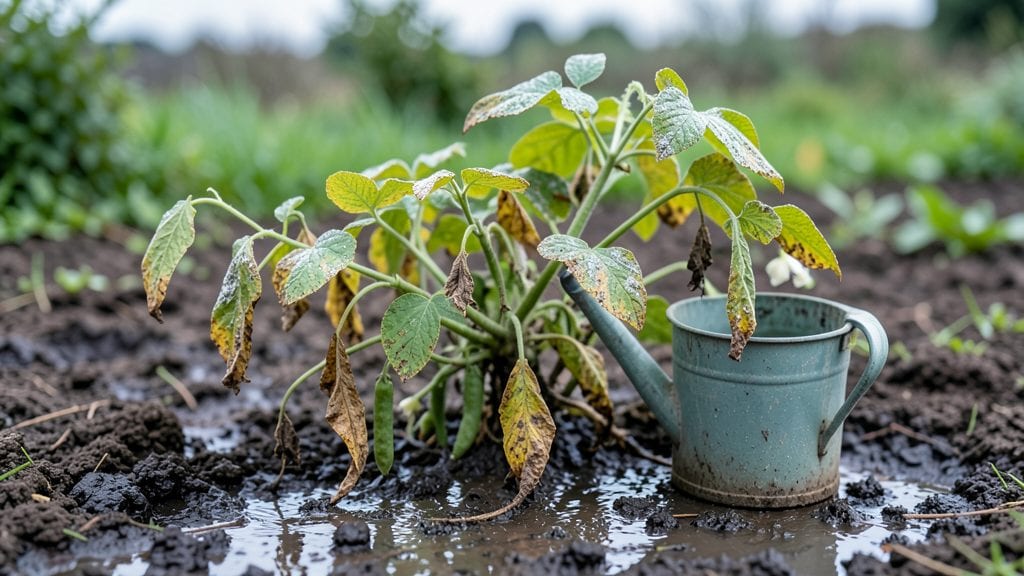
Overwatered bean plants turn your garden into a sad, soggy mess—droopy stems, yellow leaves, and roots that can't breathe. 🌱 I’ve seen this happen more times than I’d like, but there’s always a way to bring them back, even when they look like they’re giving up.
The first sign is usually yellowing leaves that start at the bottom, followed by stems that flop over like overcooked noodles. The soil stays clingy and smells funky, not fresh. Root rot sneaks in when water pools around the roots, cutting off oxygen and drowning the plant.
But here’s the good news: beans are tough, and with a few quick fixes, they bounce back faster than you’d expect.
Start by stopping all watering immediately and let the soil dry out completely—this alone can save 80% of struggling plants. Then, improve drainage by adding perlite or sand to the soil mix and consider repotting if the current container has no holes.
Within a week, you’ll see those stems perk up again, and new growth will prove your beans aren’t done for.
Long-term, stick to watering only when the top inch of soil feels dry, and always use pots with drainage holes. Mulching helps too, keeping moisture steady without turning the soil into a swamp. Your beans will thank you with lush, productive vines all season long.
Common Causes Of Soggy Soil
Overwatering bean plants is a classic case of too much of a good thing—and it happens more often than you’d think. 🌧️😅 Whether you’re a seasoned gardener or a newbie with a green thumb, understanding the root causes (literally!) can help you prevent future droopiness.
Let’s break down why your beans might be drowning in excess moisture.
Beans thrive in well-draining soil, but if your garden beds, pots, or containers lack proper drainage, water pools at the roots instead of flowing away. This creates a waterlogged environment, cutting off oxygen and suffocating roots.
- Clay-heavy soil: Compact clay holds water like a sponge, preventing excess moisture from escaping.
- No drainage holes: Pots without holes trap water, turning them into makeshift bathtubs for your plants.
- Improper mulching: Too much mulch or using water-retaining materials (like thick plastic) can block drainage.
Actionable fix: Amend soil with perlite, sand, or compost to improve aeration. For pots, ensure they have drainage holes and use a cache pot (a saucer with a layer of gravel) to catch excess water.
Beans don’t need daily drinks—most varieties prefer 1–1.5 inches of water per week, including rainfall. If you’re watering on a strict schedule without checking soil moisture, you’re likely overdoing it.
- Ignoring weather conditions: Rainy days + your watering routine = double the moisture.
- Small, frequent waterings: Light sprinkles encourage shallow roots and don’t allow soil to dry between sessions.
- Automatic timers: If set too long or too often, they can turn your garden into a swamp.
Actionable fix: Use the finger test: Stick your index finger 1–2 inches into the soil. If it’s damp, wait. If it’s dry, water deeply (but not daily). Adjust for humidity—less water in rainy seasons!
Not all pots and soil are created equal. If your beans are in the wrong setup, water stays trapped, leading to root rot and wilting.
| Problem Container | Why It’s Bad | Better Alternative |
|---|---|---|
| Plastic pots without holes | Water pools at the bottom, suffocating roots. | Terracotta or fabric pots with drainage. |
| Heavy garden soil | Clings to moisture, preventing airflow. | Lightweight potting mix with compost. |
| Self-watering planters (overfilled) | Reservoirs keep soil soggy for too long. | Monitor water levels and empty excess. |
Actionable fix: Upgrade to containers with drainage and use a 50/50 mix of potting soil and perlite or coconut coir for better airflow.
When beans are planted too deep or too close together, airflow is restricted, and water evaporates slowly. This creates a microclimate of excess moisture around the stems and roots.
- Overcrowded seedlings: Competing plants block sunlight and airflow, slowing evaporation.
- Deep planting: Burying seeds or seedlings too far forces roots to struggle in waterlogged lower soil layers.
- Thick mulch layers: While mulch conserves moisture, too much can smother plants and trap humidity.
Actionable fix: Space beans 3–4 inches apart in rows 18–24 inches apart. Plant seeds 1 inch deep and thin seedlings to avoid congestion. Use 2–3 inches of mulch (like straw) to retain moisture without suffocating plants.
Now that you know the why, the next step is fixing it—stay tuned for our revival guide to bring your beans back to life! 🌱💦
Reviving Overwatered Bean Plants
Now that you know why your bean plants are looking sad and droopy, it’s time to roll up your sleeves and bring them back to life! Overwatering can feel like a setback, but with the right care, your plants can bounce back stronger than ever.
Below are practical, step-by-step solutions tailored to the most common causes of overwatering—plus tips to keep your beans thriving long-term.
The first rule of reviving an overwatered plant? Cut off the excess water ASAP. Keep your beans in their current pot (or container) and resist the urge to water them again until you’ve assessed the damage.
Let the soil dry out naturally—this gives roots a chance to recover and prevents further rot.
Pro Tip: 💡 If your beans are in a pot with drainage holes, place it in a shallow tray to catch excess water. If it’s a garden bed, avoid watering that area for at least 3–5 days to let the soil dry.
Healthy bean plants need well-draining soil—if water sits for too long, roots suffocate. Here’s how to fix it:
👨🍳 Fix Poor Drainage in Pots
- Lift the plant gently from its pot and inspect the roots. If they look mushy, black, or smell foul, trim away the damaged parts with sterilized scissors.
- Repot in fresh soil mixed with perlite, sand, or coconut coir (20–30% of the mix) to improve aeration.
- Choose a pot with drainage holes—if your current one doesn’t have them, transfer your beans to a new container.
🥘 Fix Compacted Garden Soil
- Aerate the soil by gently loosening it with a fork or trowel around the base of the plant (but avoid damaging roots).
- Amend the soil with compost or organic matter to improve water retention and drainage.
- Mulch lightly (1–2 inches) with straw or shredded leaves to help regulate moisture without smothering the plant.
Once your beans are out of the "soggy zone," it’s time to water wisely. Follow the "finger test" to avoid overdoing it: 1. Stick your finger 1–2 inches into the soil. If it feels damp but not soggy, wait a day or two before watering again.
- Water deeply but infrequently—beans prefer 1–1.5 inches of water per week, delivered in one thorough soak rather than daily sprinkles.
- Water at the base (not overhead) to prevent fungal issues like powdery mildew.
Pro Tip: 🌡️ Morning watering is best—it gives leaves time to dry, reducing the risk of disease.
Overwatered beans often develop floppy or weak stems due to poor nutrient uptake.
To help them stand tall: - Stake or cage your plants if they’re still wobbly, using a soft tie to avoid damaging stems. - Fertilize lightly with a balanced, water-soluble fertilizer (like 10-10-10) once they show signs of recovery (usually after 7–10 days).
Too much fertilizer now can stress them further!
Now that your plants are on the mend, keep them thriving with these long-term strategies: - Use the right pot size: Too-small pots trap moisture; too-large ones hold excess water.
Aim for a pot 1–2 inches larger in diameter than the root ball. - Group pots together (if indoors) to create a microclimate with more stable humidity. - Watch the weather: Adjust watering based on rainfall, heat, and humidity—beans in hot climates need more frequent (but still deep) watering. - Rotate pots occasionally to ensure even sunlight exposure, which prevents uneven growth and stress.
You’ll know your rescue mission is working when you see: ✅ Firmer stems (no longer limp or mushy) ✅ New leaves emerging (a sign roots are regrowing) ✅ Healthy green color (instead of yellowing or wilting)
With patience and the right care, your overwatered bean plants will be back to producing lush foliage and delicious pods in no time! 🌱💚
Frequently asked questions
How do I know if my bean plants are overwatered instead of underwatered?
Overwatered beans show yellowing leaves (starting at the bottom), mushy stems, and soil that stays clingy or smells foul. Unlike underwatered plants, they won’t have crispy brown edges or dry soil pulling away from the pot. Check the roots—if they’re black and mushy, that’s a clear sign of excess moisture.
Can I save my bean plants if the roots are rotting?
Yes, but act fast! Trim away any black, mushy roots with sterilized scissors, then repot in fresh, well-draining soil. Hold off on watering for 3–5 days to let roots recover. With proper care, new roots will grow within 1–2 weeks, and your plants can bounce back.
Why do my bean plants wilt even after I water them?
Wilting after watering usually means root rot or poor drainage. The roots can’t absorb water properly when they’re damaged. Let the soil dry out completely, then repot in a mix with perlite or sand (20–30%) to improve airflow. Avoid watering until the top 1–2 inches of soil feel dry.
How often should I water bean plants to avoid overwatering?
Beans prefer 1–1.5 inches of water per week, including rainfall. Use the finger test: Stick your index finger 1–2 inches into the soil. Water only when it’s dry. Deep watering 2–3 times per week (instead of daily light sprinkles) encourages stronger roots and prevents soggy soil.
What’s the best way to fix compacted garden soil for beans?
Loosen the soil around the base with a fork or trowel (avoid damaging roots), then mix in compost or organic matter to improve drainage. Add a 1–2 inch layer of mulch (like straw) to regulate moisture without smothering the plants. This helps prevent water from pooling and suffocating the roots.