
Watering
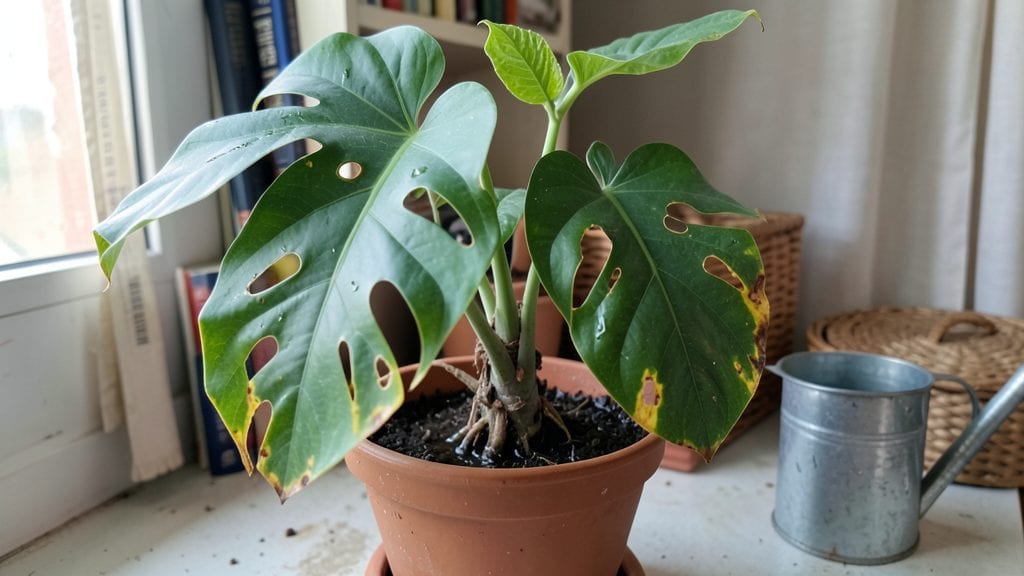
An overwatered indoor plant with yellowing pothos leaves might seem hopeless—but it’s often just a simple fix. 🌱 I’ve nursed back plants from the brink of root rot, and the first step is always stopping the water.
The good news? Most overwatered plants can bounce back with the right care, even if they look like they’re giving up.
Here’s the thing—overwatering isn’t just about soggy soil. It’s often a chain reaction: too much water blocks roots from breathing, which chokes out nutrients, and before you know it, leaves turn yellow or mushy. The fix starts with letting the soil dry out completely between waterings.
I check moisture by sticking my finger an inch deep—if it’s damp, I wait. For plants like ferns or snake plants, this means watering every 2-3 weeks, not weekly.
Once you’ve adjusted the watering, prune the yellow leaves and repot if the roots smell foul or look mushy. Healthy roots should be firm and white or tan, not brown and squishy.
Within weeks, you’ll see new growth pushing through, and your plant will look like it’s got a second chance at life. The key is patience—some plants take a month to recover, but they will come back.
This works for nearly any indoor plant, from pothos to peace lilies. The only rule? Don’t rush it. Overwatering is a slow killer, but with the right approach, your plant can thrive again—just like the time I saved my first fiddle-leaf fig after a winter of neglect.
Let’s get it growing strong!
Common Causes Of Plant Overwatering
Overwatering your indoor plant can turn your leafy friend into a sad, soggy mess—fast. But why does it happen so often? The truth is, a mix of human habits, environmental factors, and plant biology conspire against your green companions.
Let’s break down the real reasons your plant might be drowning in its own pot.
The most obvious (and most common) cause is simply watering too often or too much. Many plant parents follow the old adage, "When in doubt, water it out!"—but that’s not always the right approach. Here’s why this happens:
- Lack of Knowledge About Plant Needs 🌱 Different plants have wildly different water requirements. A tropical fern like a Nephrolepis thrives in consistently moist soil, while a succulent like a Haworthia would rot in the same conditions. Without knowing your plant’s native environment, it’s easy to overestimate its thirst.
- Sticking to a Schedule ⏰ Watering on a fixed schedule (e.g., every Monday and Thursday) ignores real-time conditions like humidity, temperature, and light exposure. A plant in bright, warm sunlight may dry out faster than one in a dim corner—yet both get watered the same way.
- Emotional Watering 😢 Some people water plants out of guilt, love, or even boredom. If you’re away for a few days and worry about your plant, you might return to find it still soggy from your last watering session. Plants don’t need daily affection—they need dry spells to breathe.
Not all pots are created equal, and some are silent killers for your plant’s roots. If water can’t escape, it pools at the bottom, suffocating roots and inviting fungal infections.
- Sealed or Glazed Pots Without Drainage Holes 🚫💦 Ceramic, plastic, or decorative pots without drainage can trap excess water. Even if you think you’re watering "just enough," the lack of escape routes means roots stay waterlogged for days.
- Compacted or Heavy Soil 🪨 Some potting mixes (like garden soil or clay-heavy blends) don’t drain well. If water sits on top of the soil for hours instead of sinking in, roots can’t absorb what they need—and what does get absorbed stays there, causing rot.
- Using the Wrong Pot Size ⬛➡️⬜ A pot that’s too large holds excess water because the extra soil stays damp longer. Meanwhile, a pot that’s too small can dry out quickly—but if you overwater to compensate, you’re just creating a cycle of stress.
Your home’s climate plays a huge role in how quickly soil dries out. Ignoring these factors can lead to overwatering—even if you’re following a "standard" watering routine.
- Low Light Conditions 🌑 Plants in low-light areas (like bathrooms or north-facing windows) photosynthesize less, so they transpire slower (i.e., release less moisture). This means the soil stays wet longer, increasing rot risk.
- High Humidity Levels 💦🌬️ Humid air slows evaporation from the soil surface. In a steamy bathroom or near a humidifier, water lingers in the pot instead of being absorbed by the air. Your plant may not need watering as often as you think!
- Temperature Fluctuations ❄️🔥 Cold drafts (from AC or windows) or sudden heat (like a sunny windowsill) can disrupt a plant’s natural water balance. Roots may struggle to absorb water efficiently, leading to waterlogging.
Plants do communicate their needs—but only if you’re paying attention. Many overwatering issues stem from misreading (or ignoring) visual cues.
- Skipping the "Finger Test" 🖐️ Sticking your finger 1-2 inches into the soil is the gold standard for checking moisture. If it’s still damp, hold off on watering. Yet, many people rely on guesswork or a rigid schedule instead.
- Yellowing Leaves = Overwatering? ❓ While yellow leaves can signal overwatering, they might also mean underwatering, nutrient deficiency, or pests. Without checking the soil first, you might drown a plant trying to "fix" it.
- Mold or Foul Smells 🍄👃 A musty odor or white/fuzzy mold on soil is a clear SOS from your plant. Yet, some people wait until roots are visibly rotting before acting. By then, it’s often too late.
Pro Tip: 💡 If you’re unsure whether your plant is overwatered, lift the pot—if it’s heavy, it’s likely still too wet. If it’s light, it’s probably thirsty!
Revive your plant's health now
An overwatered indoor plant can feel like a slow-motion disaster—yellow leaves, soggy soil, and a plant that looks more sad than serene. But don’t toss it yet! With the right steps, you can nurse it back to life and keep it thriving.
Below, we’ve mapped out practical fixes for the most common causes of overwatering, along with prevention tips to avoid future mishaps. Let’s get your green buddy back on track!
Fix: The first step is to stop watering immediately—your plant is drowning, not drinking. Here’s how to drain the excess moisture and save its roots:
- 🔥 Remove the Plant from Its Pot Gently take it out and inspect the roots. Healthy roots are firm and white, while rotten roots are mushy, brown, or black.
- 🍳 Trim the Damaged Roots Use sterilized scissors or pruning shears to snip off any soft, discolored roots. This helps prevent the rot from spreading.
- 👨🍳 Repot in Fresh, Dry Soil Choose a pot with drainage holes (if it doesn’t have them, add a layer of pebbles at the bottom). Use a well-draining potting mix—avoid heavy, water-retentive soils.
- 🥘 Let It Dry Out Place the plant in a spot with indirect light and no water for 2–3 days. This gives the roots time to recover.
- ⏰ Gradually Resume Watering Once the top 1–2 inches of soil feel dry, water lightly and wait for excess to drain completely. Avoid soggy soil for at least a week.
💡 Prevention Tip:
- Test soil moisture with your finger before watering. If the top inch is dry, it’s time. If not, wait!
- Use moisture meters for picky plants like ferns or calatheas—they’ll tell you exactly when to water.
Fix: Yellow leaves are often a sign of root stress, but they can also mean your plant is choking on too much water. Here’s how to revive it:
- 🌡️ Assess the Leaves If the yellowing is on older, lower leaves, it’s likely natural aging. But if new leaves are yellowing or the plant feels limp, overwatering is the culprit.
- 🎯 Prune the Affected Leaves Snip off yellow leaves at the base with clean scissors. This redirects energy to healthier growth.
- ✨ Adjust Your Watering Routine
- Water only when the top 2–3 inches of soil are dry (use your finger or a chopstick to check).
- Water deeply but less frequently—short, frequent waterings keep roots soggy.
- Empty the saucer after watering to prevent root rot from sitting water.
💡 Prevention Tip:
- Group plants with similar water needs together to streamline care.
- Mist lightly between waterings for humidity-loving plants (like pothos or peace lilies) instead of drowning their roots.
Fix: If your plant’s pot lacks drainage, water pools at the bottom, suffocating the roots. Here’s how to fix it:
- 🔪 Check the Pot If the pot has no drainage holes, it’s time for an upgrade. Terracotta, ceramic, or plastic pots with holes work best.
- 🍳 DIY Drainage Fix (If You Can’t Repot Yet)
- Add a drainage layer: Fill the bottom 1–2 inches of the pot with pebbles, perlite, or broken pottery shards.
- Use a cache pot: Place your plant’s pot inside a slightly larger decorative pot (with drainage holes) and fill the gap with moss or pebbles.
- 🥘 Repot Carefully If repotting, choose a pot just 1–2 inches larger in diameter. Bigger pots hold more water, which can worsen overwatering.
💡 Prevention Tip:
- Avoid saucers without drainage holes—opt for ones with a lip or a tray that can be emptied after watering.
- Use self-watering pots wisely—they’re great for travel but can lead to overwatering if not monitored.
Fix: Sometimes, the issue isn’t the plant—it’s you. If you’re guilty of watering on a schedule (even when the plant doesn’t need it), break the habit:
- 📊 Track Your Plant’s Needs Keep a watering journal for 2 weeks. Note when you water, how much, and how the plant responds. Adjust based on observations.
- 💪 Follow the “Finger Test” Stick your finger 1–2 inches into the soil. If it’s damp, wait. If it’s dry, water until it runs out the drainage hole.
- 🍎 Adjust for Seasonal Changes
- Winter: Plants grow slower and need less water.
- Summer: They may thirst more, but check soil moisture first—hot air can dry soil faster, leading to overcompensation.
💡 Prevention Tip:
- Set reminders on your phone instead of relying on a rigid schedule.
- Group plants by water needs—succulents (like snake plants) hate moisture, while ferns crave it. Keep them separate!
Once your plant is back in shape, keep it happy with these pro tips:
- 🌡️ Monitor Humidity: Use a hygrometer to keep levels ideal (most indoor plants thrive at 40–60% humidity). - 🍃 Rotate the Pot: Ensure even light exposure so your plant doesn’t lean or develop weak spots. - 🌱 Fertilize Lightly: Overwatered plants are stressed—wait until they recover before adding fertilizer.
Then, use a diluted, balanced formula (like 10-10-10) every 4–6 weeks in spring/summer.
With these fixes, your overwatered indoor plant should bounce back in 2–4 weeks. The key is patience and observation—don’t rush the recovery, and soon, you’ll have a lush, happy green friend again! 🌿✨
Frequently asked questions
How do I know if my indoor plant is truly overwatered?
Check for these key signs: yellowing leaves (especially new growth), mushy stems, or soil that smells foul. Lift the pot—if it feels heavy, the roots may be waterlogged. Press your finger into the soil: if it’s damp beyond 1-2 inches down, you’ve likely overwatered.
Can I save a plant with root rot from overwatering?
Yes, but act fast! Trim away black/mushy roots with sterilized scissors, repot in fresh, dry well-draining soil, and let it dry out for 3-5 days without water. Place it in bright, indirect light and resume watering only when the top 2 inches of soil are completely dry.
Why does my pothos still look sad after I stopped watering?
Pothos are resilient but need time to recover—give it 4-6 weeks of consistent care. Prune yellow leaves, ensure it has bright indirect light, and check for hidden pests like spider mites. If new growth isn’t appearing, the roots may still be compromised—repeat the root-trimming process if needed.
What’s the best pot material to prevent overwatering?
Terracotta pots are ideal—they absorb moisture and dry out faster than plastic. For decorative pots without drainage, use a cache pot system (inner pot with holes inside an outer decorative pot with pebbles). Avoid sealed containers or glazed pots without drainage holes entirely.
How often should I water my snake plant after overwatering?
Snake plants are drought-tolerant—wait until the soil is completely dry (often every 3-4 weeks in winter). Water deeply but infrequently, and never let it sit in saucers. These plants thrive on neglect, so err on the side of underwatering during recovery.