Plants
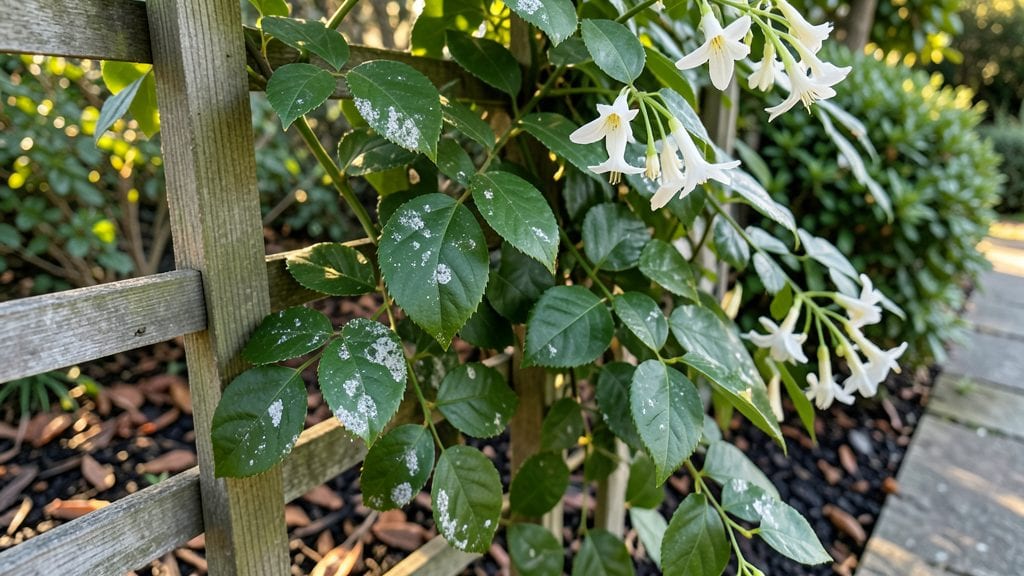
If your jasmine plant fungus strikes with dusty gray or black spots creeping across the leaves, it’s time to act fast—and I’ve battled this before. ✨ The difference between saving it and losing it often comes down to catching the problem early and knowing the right moves.
The worst offenders—powdery mildew, black spot, and root rot—love humidity and crowded growth. My first mistake? Ignoring the white powder on new leaves until it covered the whole plant. Now I check for sticky spots, yellowing, or wilting stems every time I water, and I adjust airflow immediately.
A simple fan or pruning to open up the plant can stop an outbreak before it starts.
You’ll reclaim those fragrant blooms by combining copper sprays for prevention and neem oil for treatment, plus a few smart pruning cuts to remove the worst damage.
Within weeks, your jasmine will bounce back—stronger, healthier, and ready to perfume your garden again. Here’s how to do it right the first time.
This works for both climbing and bush jasmine, whether you’re dealing with a single plant or a whole hedge. The key is consistency: don’t let fungus gain a foothold, and your jasmine will stay lush and blooming season after season.
Understanding Fungal Threats
Fungal infections in jasmine plants can feel like a silent nightmare—one day your fragrant blooms look vibrant, and the next, they’re spotted with unsightly mold or wilting prematurely. But why does this happen? The truth lies in a mix of environmental factors, plant health, and even tiny, invisible invaders.
Let’s break down the real culprits behind fungal outbreaks in jasmine plants, so you can spot the warning signs before they strike.
Fungi thrive in damp, stagnant conditions, and jasmine plants—especially those with dense foliage—are prime targets. When air can’t flow freely around leaves and stems, moisture lingers, creating the perfect breeding ground for pathogens like powdery mildew or botrytis blight.
- Why it happens:
- Crowded plantings or overgrown vines block airflow, trapping humidity.
- High humidity (above 70%) without proper ventilation encourages fungal spores to germinate.
- Water droplets on leaves (from overhead watering or morning dew) provide a moist surface for fungi to latch on.
- Actionable fix:
- Prune jasmine plants to open up the canopy and improve airflow.
- Space plants 12–18 inches apart to reduce humidity pockets.
- Water at the base (not overhead) and avoid late-day watering to prevent prolonged leaf wetness.
Jasmine plants are drought-tolerant, but too much water—especially in poorly draining soil—turns their roots into a fungal buffet. Root rot (caused by Phytophthora or Pythium) and stem cankers often start here, weakening the plant’s defenses.
- Why it happens:
- Soggy soil cuts off oxygen to roots, stressing the plant and making it susceptible to fungal invasion.
- Containers without drainage holes or heavy clay soil trap excess moisture, inviting root-infecting fungi.
- Overwatering (even with good drainage) can lead to foliar diseases if water splashes onto leaves.
- Actionable fix:
- Let the top 1–2 inches of soil dry out between waterings.
- Use well-draining potting mix (add perlite or sand for containers).
- Elevate pots with feet or saucers to prevent water pooling at the base.
A jasmine plant under stress—whether from pests, nutrient deficiencies, or physical damage—is like an open door for fungi. Cankers, leaf spots, and blights often exploit wounds or weakened tissue to spread.
- Why it happens:
- Pest damage (e.g., spider mites, aphids) weakens leaves, making them vulnerable to secondary fungal infections.
- Nutrient deficiencies (especially nitrogen or potassium) reduce the plant’s ability to fight off pathogens.
- Mechanical injury (pruning cuts, hail, or rough handling) creates entry points for fungi like Alternaria or Septoria.
- Actionable fix:
- Fertilize regularly with a balanced formula (10-10-10) to boost plant vigor.
- Inspect for pests weekly and treat infestations early with neem oil or insecticidal soap.
- Sanitize pruning tools with rubbing alcohol to prevent spreading fungal spores.
Fungal spores are sneaky—they can hitch a ride on dirty tools, infected plant debris, or even contaminated soil. Powdery mildew and rust fungi often spread this way, jumping from one plant to another.
- Why it happens:
- Reusing tools (pruners, trowels) on infected plants transfers spores to healthy ones.
- Compost or soil from previous fungal outbreaks may still harbor dormant spores.
- Infected leaves left on the ground act as a spore reservoir, reinfecting the plant.
- Actionable fix:
- Sterilize tools between uses with a 10% bleach solution or rubbing alcohol.
- Remove and dispose of infected leaves/debris immediately (don’t compost them).
- Test new soil for fungal activity before planting (sterilize with heat or fungicide if needed).
Fungi don’t just appear—they’re waiting for the right moment. Cool, wet springs or humid summers are peak fungal season, especially for jasmine plants that love warmth but struggle with prolonged dampness.
- Why it happens:
- Temperature swings (50–75°F) with high humidity create ideal conditions for powdery mildew.
- Rain or overhead irrigation keeps leaves wet for long periods, encouraging leaf spot diseases.
- Shady or low-light conditions weaken plants, making them more susceptible to fungal attacks.
- Actionable fix:
- Mulch strategically to regulate soil moisture without smothering roots.
- Provide afternoon shade in hot climates to reduce stress.
- Use fungicides preventively (copper-based or neem oil) before fungal season peaks.
Not all jasmine plants are created equal. Some varieties—like **Arabian jasmine (Jasminum sambac)—are more prone to fungal issues due to their dense growth habits or tropical origins, which love humidity but hate stagnant air.
- Why it happens:
- Hybrid varieties sometimes inherit susceptibility from parent plants.
- Young or newly transplanted jasmines have weaker immune systems.
- Choose disease-resistant varieties like Jasminum grandiflorum if fungi are a recurring issue.
- Hardening off new plants gradually reduces stress-related vulnerabilities.
- Rotate planting locations to avoid soil-borne fungal buildup.
Stop Fungal Issues Fast
Fungal infections in jasmine plants can feel like a silent threat—until your vibrant blooms start fading into spots and wilting. But don’t panic! With the right approach, you can reverse the damage, restore your plant’s health, and prevent future outbreaks.
Below, we break down cause-specific solutions and prevention tips to keep your jasmine thriving.
Cause: Overwatering or poor soil drainage creates a soggy environment where fungi like Phytophthora thrive.
How to Fix It:
- 🔥 Pull the Plant Gently Remove the jasmine from its pot and inspect the roots. Healthy roots are firm and white; mushy, brown, or black roots are infected.
- 👨🍳 Trim the Damage Use sterilized scissors to cut away all infected roots. Dip the cuts in cinnamon powder or hydrogen peroxide (3%) to prevent further spread.
- 🥘 Repot with Fresh Soil Choose a well-draining potting mix (add perlite or sand if needed) and a pot with drainage holes. Replant the jasmine, ensuring it sits slightly higher than before to avoid water pooling.
- ⏰ Monitor Watering Let the top 1–2 inches of soil dry out before watering again. Use a moisture meter if unsure—jasmines hate "wet feet."
💡 Prevention Pro Tips:
- Upgrade your pots to terracotta or ceramic (they dry faster than plastic).
- Mulch lightly with orchid bark to improve airflow at the soil surface.
- Avoid saucers unless they’re elevated—water should never sit stagnant.
Cause: High humidity, poor airflow, or crowded foliage traps moisture, inviting powdery mildew (Erysiphe spp.) to coat leaves.
How to Fix It:
- 🔪 Prune Infected Leaves Snip off heavily mildewed leaves with sterilized shears and dispose of them in the trash (not compost).
- 🍳 Spray with Baking Soda Mix Mix 1 tsp baking soda + 1 quart water + a few drops of dish soap. Spray both sides of leaves every 5–7 days until mildew disappears.
- 🌡️ Increase Air Circulation
- Move the plant to a sunnier spot (jasmines need 6+ hours of light).
- Space plants apart if growing outdoors.
- Use a small fan on low setting near the plant (if indoors).
- ✨ Apply Fungicide (If Severe) For stubborn cases, use neem oil (1 tsp per quart of water) or a copper-based fungicide like copper soap. Reapply every 7–10 days.
💡 Prevention Pro Tips:
- Water in the morning so leaves dry quickly.
- Wipe leaves with a damp cloth weekly to remove dust (prevents fungal holdouts).
- Avoid overhead watering—use a watering can with a narrow spout for targeted hydration.
Cause: Fungal leaf spots (Alternaria or Septoria) spread via splashing water, contaminated tools, or old debris.
How to Fix It:
- 🔥 Remove Spotted Leaves Cut off only the infected leaves (don’t yank whole branches). Sterilize your tools with rubbing alcohol between cuts.
- 👨🍳 Apply Copper Fungicide Spray leaves with a copper fungicide (follow label rates) or a homemade mix: 1 tsp copper sulfate + 1 gallon water. Reapply every 10–14 days.
- 🥘 Improve Sanitation
- Clean up fallen leaves/debris around the plant.
- Disinfect pruning tools after each use.
- Rotate plants if growing in a greenhouse to reduce humidity buildup.
💡 Prevention Pro Tips:
- Water at the base (never the foliage).
- Space plants 12+ inches apart to reduce humidity pockets.
- Rotate pots occasionally for even light exposure (prevents stress spots).
Even with fixes in place, prevention is key. Strengthen your jasmine’s natural defenses with these low-effort habits:
| Action | How to Do It | Why It Works |
|---|---|---|
| Fertilize lightly | Use a balanced 10-10-10 fertilizer every 4–6 weeks in spring/summer. | Healthy plants resist fungi better. |
| Prune regularly | Trim yellow or crowded growth in early spring. | Encourages airflow and sunlight penetration. |
| Quarantine new plants | Keep newly purchased jasmine separate for 2 weeks. | Stops fungal hitchhikers from spreading. |
| Rotate pots | Turn pots quarter-turn weekly (indoors). | Ensures even light exposure and drying. |
Final Reminder: 🌿 Act fast—fungi spread quickly, but jasmine plants are resilient! With proper airflow, smart watering, and occasional fungicide, your blooms will bounce back stronger than ever. 🚀
Frequently asked questions
What are the first signs of fungus on my jasmine plant?
Watch for white powdery spots (powdery mildew), black or brown leaf spots (leaf spot fungus), or yellowing leaves paired with sticky residue (honeydew from pests that attract fungi). Check both leaf surfaces and stems—early detection is key to saving your plant.
Can I save my jasmine if the roots are already rotting?
Yes, but act fast! Trim all mushy, dark roots with sterilized scissors, repot in fresh well-draining soil, and avoid watering for 5–7 days to let roots recover. Elevate the pot to prevent future waterlogging. For severe cases, consider root hormone powder to encourage regrowth.
Is neem oil safe to use on flowering jasmine plants?
Yes, but apply it early in the morning and avoid spraying blooms directly. Neem oil disrupts fungal spores without harming the plant’s natural defenses. For heavy blooms, focus on leaves—reapply every 7–10 days during fungal outbreaks. Always dilute (1 tsp per quart of water).
Why does my jasmine keep getting fungus even after treatment?
Fungi thrive in humid, stagnant conditions. Check for hidden issues: overcrowded growth (prune to improve airflow), poor drainage (upgrade pots or soil), or contaminated tools (sterilize with rubbing alcohol). Also, rotate your plant’s position to prevent recurring stress spots.
Can I use household items like vinegar to treat jasmine fungus?
White vinegar (1 part vinegar to 3 parts water) can help as a preventive spray, but it’s not a cure-all. Avoid using it on established infections—vinegar’s acidity can damage leaves. For treatments, stick to copper fungicide or baking soda mixes (1 tsp baking soda + 1 quart water + dish soap).