
Diseases
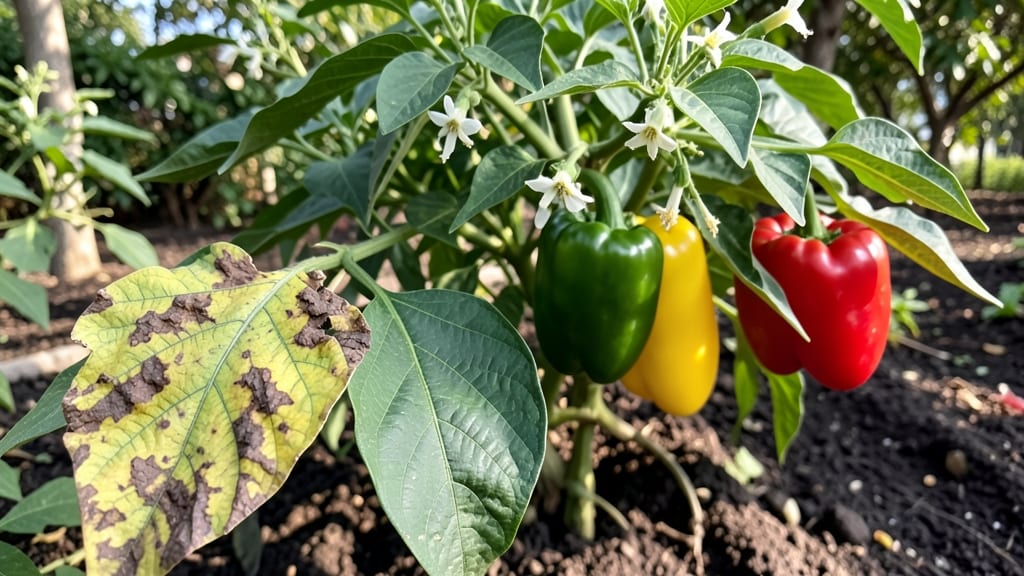
Spotting pepper plant diseases early can save your entire harvest before they even show symptoms. 🌱 I’ve lost entire batches of peppers to bacterial spot and powdery mildew—until I learned the subtle signs that appear days before the leaves crumple.
The key is catching them when they’re still small, before they spread to every plant.
Most diseases start with poor air circulation, overwatering, or contaminated soil. Bacterial spot appears as tiny water-soaked marks, while powdery mildew looks like dusty white patches. Verticillium wilt? It’s the silent killer—yellowing leaves and stunted growth with no obvious cause.
The good news? All of these have fixes, from copper sprays to proper spacing and resistant varieties.
You’ll walk away knowing exactly what to watch for, how to treat it organically or chemically, and how to prevent it next season. No more guessing games—just clear steps to keep your peppers thriving until the first frost. Let’s get your plants back on track.
Whether you’re dealing with a single plant or a full garden, these strategies work for all pepper types—jalapeños, bell peppers, even hot chiles. The difference between a failed harvest and a bumper crop often comes down to acting fast. Here’s how to do it right.
Root Causes of Pepper Plant Woes
Understanding why pepper plants fall prey to diseases is the first step toward prevention. These issues rarely arise in isolation—they’re often the result of a perfect storm of environmental, biological, and human factors.
Let’s break down the key culprits behind pepper plant diseases, so you can address them before they threaten your harvest.
Pepper plants thrive in specific conditions, and when those parameters shift—whether too hot, too cold, too wet, or too dry—pathogens and pests seize the opportunity.
- Extreme Temperature Fluctuations Peppers are tropical and subtropical plants, meaning they prefer consistent warmth (70–85°F during the day, 60–70°F at night). Sudden drops below 50°F or heatwaves above 95°F weaken the plant’s immune response, making it vulnerable to fungal infections like early blight or Phytophthora root rot.
Cold stress also disrupts nutrient uptake, leaving plants malnourished and susceptible to secondary infections.
- Excessive Moisture & Poor Drainage Peppers hate soggy roots. Overwatering or poorly drained soil creates the ideal breeding ground for fungal pathogens (e.g., Phytophthora, Pythium) and bacterial spot (Xanthomonas campestris).
When soil stays waterlogged for more than 24 hours, roots suffocate, leading to root rot and systemic decline. Even overhead watering (especially in the evening) can prolong leaf wetness, inviting powdery mildew and downy mildew.
- High Humidity Without Airflow While peppers need 40–60% humidity, stagnant, humid air (above 75%) promotes spore germination of fungal diseases. Without proper air circulation (via pruning, spacing, or fans), spores linger on leaves, accelerating infections like anthracnose or leaf spot.
Greenhouses and dense plantings are particularly risky unless ventilation is optimized.
Plants under stress—whether from nutritional deficiencies, physical damage, or improper handling—become easy targets for diseases. Think of it like a person with a weakened immune system catching every cold that comes their way.
- Nutrient Imbalances Peppers are heavy feeders, and imbalances—especially lack of phosphorus (P) or potassium (K)—weaken cell walls, making them prone to bacterial and fungal invasions.
For example: - Nitrogen (N) deficiency → Yellowing leaves (chlorosis) → Reduced photosynthesis → Stunted growth and susceptibility to viruses. - Calcium (Ca) deficiency → Blossom-end rot (not a disease, but stress) → Cracks in fruit skin → Entry points for bacterial spot. - Magnesium (Mg) deficiency → Interveinal chlorosis → Weakened leaves → Easier target for powdery mildew.
Pro Tip: 💡 Conduct a soil test every 2–3 years and amend with balanced fertilizer (e.g., 10-10-10) or compost to avoid deficiencies.
- Physical Damage to Leaves & Stems Bruised or torn leaves (from harsh pruning, wind, or hail) create open wounds where pathogens like bacterial leaf spot or Alternaria leaf spot can enter.
Even insect damage (e.g., from aphids or spider mites) weakens the plant’s defenses, making it more vulnerable to secondary infections.
- Transplant Shock Moving pepper plants—especially seedlings—can cause stress. If roots are disturbed during transplanting or the plant isn’t hardened off (acclimated to outdoor conditions), it struggles to recover. Weakened roots are more prone to root rot and wilt diseases like Fusarium.
Not all diseases are caused by poor growing conditions—some are directly introduced by pathogens or pests that thrive in pepper ecosystems.
- Fungal Spores in Soil or Air Fungi like Phytophthora or Verticillium survive in soil for years as dormant spores. They only become active when conditions are right (e.g., cool, wet soil). Even compost or manure can harbor spores if not composted properly (hot composting kills most pathogens).
- Bacterial Hitchhikers Bacteria like Xanthomonas (causing bacterial spot) or Pseudomonas (causing bacterial leaf blight) spread via:
- Contaminated tools (pruners, gloves).
- Infected plant debris left in the soil.
- Water splashing from overhead irrigation.
- Insect vectors (e.g., sharpshooters spread citrus greening, though less common in peppers).
- Viral Threats from Sap-Sucking Insects Viruses like Tobacco Mosaic Virus (TMV) or Cucumber Mosaic Virus (CMV) are spread by aphids, whiteflies, or even human touch (e.g., contaminated hands). Once a plant is infected, there’s no cure—only removal to prevent spread.
- Weakened Plants Attract Pests Stressed peppers (from disease or poor care) become magnets for pests like thrips, spider mites, or aphids, which further weaken the plant and create entry points for diseases.
Sometimes, the biggest risk factor is us. Common mistakes that invite diseases include:
- Overcrowding Plants Peppers need 18–24 inches of space between plants for airflow. Crowding creates microclimates with high humidity and poor light penetration, perfect for fungal growth.
- Ignoring Crop Rotation Planting peppers (or other Solanaceae family members like tomatoes, eggplants) in the same spot year after year allows soil-borne pathogens to build up. Rotate crops every 3–4 years to break the disease cycle.
- Using Infected Seedlings or Cuttings Buying or propagating from symptomatic plants (yellowing, spots, wilting) guarantees you’re starting with a problem. Always inspect seedlings for signs of disease before planting.
- Skipping Sanitation Failing to sterilize tools, remove diseased foliage, or clean greenhouse surfaces leaves pathogens ready to reinfect. A 10% bleach solution (1 part bleach to 9 parts water) is a simple way to disinfect tools between uses.
Where you grow peppers plays a huge role in disease risk. Some regions are hotspots for specific issues:
- Tropical & Subtropical Climates High humidity and monsoon seasons increase fungal diseases (e.g., Phytophthora, anthracnose). Drip irrigation (instead of overhead) and mulching help reduce soil splashing.
- Arid or Desert Regions While drought can stress plants, sudden rain after dry spells can trigger bacterial spot or powdery mildew by creating ideal moisture conditions.
- Coastal Areas Salt spray or foggy conditions can weaken peppers, making them prone to leaf curl viruses or fungal infections.
Pepper plant diseases rarely strike out of nowhere—they’re the result of environmental stress, poor practices, or pathogen pressure. By understanding these root causes, you can prevent problems before they start and keep your plants healthy and productive. 🌱🔍
Fixing Pepper Plant Problems Fast
Now that you’ve identified the issue plaguing your pepper plants, it’s time to take action! Early intervention is key to saving your harvest, so let’s tackle each problem with practical, step-by-step solutions.
Below, you’ll find targeted fixes for common pepper plant diseases, along with prevention tips to keep your garden thriving.
Fungal infections like powdery mildew and early blight can wreak havoc if left unchecked. Here’s how to fight back:
🔥 Remove Infected Leaves Immediately
- How: Snip off yellowing or spotted leaves with clean scissors or pruners. Dispose of them in the trash (not compost) to prevent reinfection.
- Pro Tip: 💡 Work during the day so wounds dry quickly, reducing fungal entry points.
🍳 Apply Fungicide (Natural or Store-Bought)
- For mild cases: Mix 1 tbsp baking soda + 1 tsp dish soap + 1 gallon water in a spray bottle.
Apply to undersides of leaves every 7–10 days. - For severe outbreaks: Use a copper-based fungicide (like Bordeaux mixture) or neem oil (1 tsp per quart of water + a drop of soap).
Spray at dawn or dusk for best results. - Prevention: 🌡️ Space plants 18–24 inches apart for airflow. Avoid overhead watering—use drip irrigation instead.
⏰ Rotate Crops & Sterilize Tools
- How: Don’t plant peppers (or nightshades like tomatoes) in the same spot next year. Clean tools with rubbing alcohol after each use.
Pests like aphids, spider mites, and hornworms can weaken plants overnight. Here’s how to evict them:
👨🍳 Blast Off Pests with Water
- How: Use a strong spray of water (from a hose or spray bottle) to dislodge aphids and mites. Repeat every 2–3 days until gone.
- Pro Tip: 🎯 Add a few drops of castile soap to the water for extra stickiness.
🔪 Introduce Beneficial Insects
- Ladybugs and lacewings devour aphids. Buy them online or attract them with dill or fennel plants nearby.
- Handpick hornworms (they’re big and easy to spot!). Drop them in soapy water.
🌿 Use Row Covers or Netting
- How: Cover young plants with floating row covers to block pests while allowing sunlight and water through.
- Prevention: 🌱 Plant basil, marigolds, or nasturtiums nearby—they repel pests naturally.
Too much moisture invites root rot and bacterial wilt. Act fast to revive your peppers:
🥘 Check the Soil First
- How: Stick your finger 1–2 inches into the soil. If it’s soggy, hold off on watering.
Peppers prefer slightly dry soil between waterings. - Fix: If roots are mushy and black, prune affected roots and repot in fresh, sterile potting mix with perlite for drainage.
⏰ Improve Drainage ASAP
- How: Add coarse sand or perlite to heavy clay soil. Elevate pots with feet or bricks to prevent water pooling.
- Prevention: 🌱 Use self-watering pots with drainage holes or raised beds to control moisture.
💡 Boost Plant Health
- How: Feed with a balanced fertilizer (10-10-10) or compost tea to strengthen roots. Avoid nitrogen-heavy fertilizers—they weaken plants.
Bacterial spots and wilt are tricky—they spread fast. Here’s how to manage them:
🔪 Prune & Dispose of Infected Parts
- How: Cut off spotted leaves or wilting stems immediately. Sterilize pruners with bleach or alcohol between cuts.
- Pro Tip: 💡 Avoid pruning when leaves are wet to prevent bacterial spread.
🍳 Use Copper Sprays (Early Stages Only)
- How: Spray copper fungicide (like Copper Soap) every 5–7 days. It doesn’t cure bacterial wilt but can slow spot progression.
- Prevention: 🌱 Rotate crops yearly and sanitize garden tools to avoid reinfection.
🌱 Strengthen Plant Immunity
- How: Apply kelp meal or fish emulsion for extra nutrients. Healthy plants resist bacteria better!
Want to avoid future problems?
Follow these must-do tips: - 🌿 Rotate crops—don’t plant peppers in the same spot for 3+ years. - 💦 Water at the base (not leaves) in the early morning to let foliage dry. - 🌱 Choose resistant varieties (e.g., ‘Aristotle’ for blight resistance). - 🧼 Clean up debris—remove fallen leaves and weeds where fungi/pests hide. - 🔍 Monitor regularly—check undersides of leaves weekly for early signs.
By acting quickly and staying proactive, you’ll keep your pepper plants healthy, productive, and disease-free—so you can enjoy a bountiful harvest! 🌶️🍃
Frequently asked questions
What are the first signs of pepper plant diseases I should watch for?
Look for tiny water-soaked spots on leaves (bacterial spot), white powdery patches (mildew), or sudden wilting with yellowing leaves (verticillium wilt). Check undersides of leaves weekly—early detection is key! These symptoms often appear before visible damage spreads.
Can I save a pepper plant already showing disease symptoms?
It depends on the disease. For fungal issues like powdery mildew, prune infected areas immediately and apply copper fungicide. Bacterial wilt or viral infections are usually fatal—remove the plant entirely to prevent spread. Act fast for fungal/bacterial spots with proper sanitation.
How do I prevent diseases in my pepper garden next season?
Start with crop rotation (avoid same spot for 3+ years), use sterilized tools, and space plants 18-24 inches apart for airflow. Water at soil level in mornings, choose disease-resistant varieties, and clean up debris after harvest.
Are there organic treatments for pepper plant diseases?
Yes! For fungal issues, mix 1 tbsp baking soda + 1 tsp dish soap + 1 gallon water and spray weekly. Neem oil (1 tsp/quart water) works against mildew and pests. For bacterial spots, copper fungicide is the most effective organic option—apply preventatively.
Why do my pepper plants get diseases more often than tomatoes?
Peppers are more sensitive to humidity and poor airflow than tomatoes. Their thinner leaves trap moisture, creating perfect conditions for fungal spores. They also prefer warmer, consistent temperatures—fluctuations stress them faster, lowering disease resistance.