
Watering
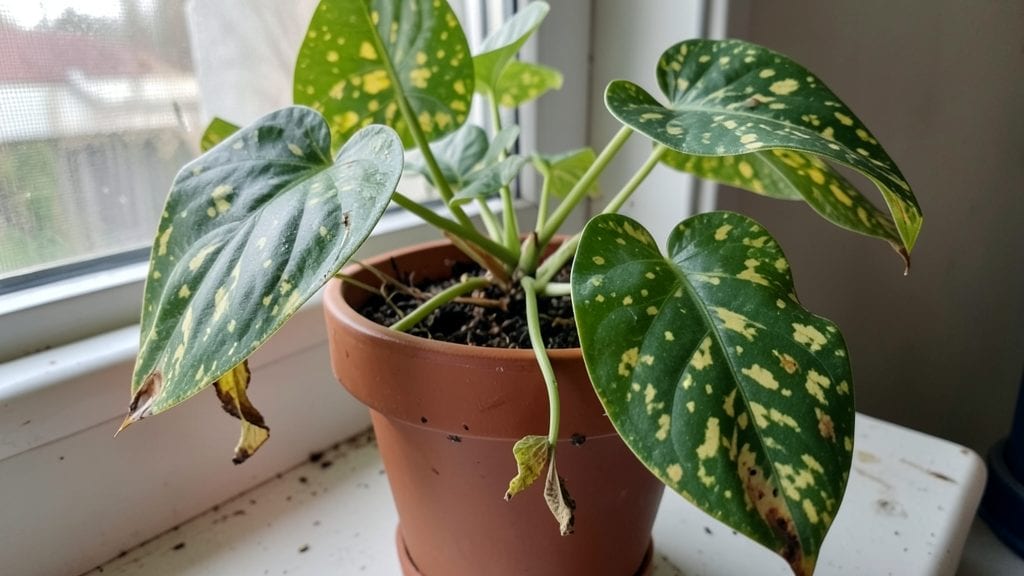
An arrowhead plant with drooping leaves and mushy stems is a classic overwatering victim—and the good news is, it’s almost always fixable. 🌱 I’ve nursed back more than a few of these plants after they looked like they were giving up, and the key is acting fast before root rot takes over.
The first step is always the same: stop watering entirely and let the soil dry out.
Here’s the thing—arrowheads hate soggy soil, but most people water them like they’re thirsty tropical plants. These plants actually thrive when the top inch of soil is dry to the touch.
I check mine with my finger before watering, and it’s saved me from losing plants more times than I can count. Once you’ve stopped watering, move the plant to a spot with bright, indirect light and keep it there until the leaves perk back up.
Within a week, you’ll see the leaves start to firm up and regain their vibrant green color. The real secret is adjusting your watering routine: water only when the top inch of soil feels dry, and use a pot with drainage holes.
A well-draining potting mix with perlite or orchid bark helps prevent future soggy soil issues. With the right care, your arrowhead will bounce back stronger than ever.
This method works for both potted arrowheads and those growing in the ground, though container plants recover faster. The key is patience—don’t rush the drying-out process, and avoid watering until the soil is truly dry. Once you’ve got the routine down, your arrowhead will stay lush and healthy for years.
Common Causes Of Plant Stress
When your arrowhead plant (Syngonium podophyllum) starts looking sad with drooping leaves, it’s often a direct result of too much water. But why does this happen? Let’s break down the science behind it—because understanding the root causes (literally!) helps you fix the problem faster.
Arrowhead plants thrive in well-draining soil, but if their pots lack proper drainage, water pools at the roots instead of escaping. This creates a soggy environment where roots can’t breathe.
- Why it happens: Without drainage holes, excess water sits in the soil, suffocating roots and blocking oxygen uptake. Anaerobic conditions (low oxygen) force roots to slow down or rot.
- Actionable fix: Repot your plant in a container with drainage holes or add perlite/pumice to improve airflow in the soil.
- Pro tip: 💡 Test drainage by filling a saucer with water—if it stays there for hours, your pot needs an upgrade.
Even with drainage, watering too frequently—especially without checking soil moisture—leads to oversaturation. Arrowhead plants prefer their soil to dry out slightly between waterings.
- Why it happens: Overwatering disrupts the plant’s natural hydration balance. Roots absorb water faster than they can process it, leading to cell swelling and leaf droop.
- Actionable fix: Stick your finger 1–2 inches into the soil. If it’s damp, wait. Water only when the top layer feels dry.
- Pro tip: ✨ Use a moisture meter for precision—it removes guesswork and prevents overwatering.
Arrowhead plants love warmth (65–80°F) and moderate humidity, but cold drafts or dry air can stress them—making them more vulnerable to waterlogging.
- Why it happens: Cold temperatures slow root activity, while dry air increases transpiration (water loss through leaves). This imbalance makes the plant cling to excess water, leading to droop.
- Actionable fix: Keep your plant away from AC vents or windows in winter. Use a humidifier or place it on a pebble tray to boost moisture.
- Pro tip: 🌡️ Group plants together—they create a microclimate that retains humidity naturally.
Heavy, compacted soil (like garden soil) holds water like a sponge, while arrowhead plants need airy, chunky mixes to prevent water buildup.
- Why it happens: Dense soil traps moisture against roots, preventing oxygen exchange. This triggers root rot and nutrient deficiencies, causing leaves to wilt.
- Actionable fix: Repot in a mix of potting soil, perlite, and orchid bark (3:1:1 ratio) for optimal drainage.
- Pro tip: 🔥 Avoid "moisture-retaining" soils—they’re designed for succulents, not arrowheads!
Now that you know the science behind the droop, you’re ready to adjust your care routine. The key? Less water, more airflow, and the right soil mix. Your arrowhead will bounce back faster than you think!
Quick Fixes for Soggy Arrowhead Leaves
Reviving an overwatered arrowhead plant starts with diagnosing the damage and taking swift action. Below, we’ll break down the most common causes of waterlogged roots and drooping foliage, paired with practical, step-by-step solutions—plus tips to keep your plant thriving long-term. Let’s turn those sad, limp leaves around!
If your arrowhead plant’s soil feels squishy or water pools at the bottom of the pot, root rot is likely setting in. Act fast to prevent permanent damage.
🔥 How to Fix It
- Remove the plant gently from its pot and inspect the roots. Healthy roots are firm and white; mushy or black roots need attention.
- Trim the damaged roots with clean, sterilized scissors (🔪).
Snip away any soft, discolored sections—don’t worry, new roots will grow! 3. Repot in fresh, well-draining soil. Use a mix designed for tropical plants (like a blend of peat, perlite, and orchid bark) to improve aeration.
- Choose a pot with drainage holes—if yours lacks them, drill a few or switch to a new container.
💡 Prevention Tip
- Test soil moisture before watering: Stick your finger 1–2 inches into the soil. If it’s damp, wait 1–2 more days.
- Use a moisture meter for peace of mind—these $10 tools save plants (and stress!).
Arrowhead plants (Syngonium podophyllum) love humidity but hate soggy feet. Overwatering often stems from inconsistent habits. Here’s how to reset the schedule:
👨🍳 How to Fix It
- Water only when the top 1–2 inches of soil are dry. This might mean watering every 7–10 days (or less in cooler months).
- Bottom-water your plant: Place the pot in a tray of water for 10–15 minutes, then drain.
This encourages roots to grow downward and reduces surface moisture. 3. Avoid misting leaves if your plant is already waterlogged—focus on soil health first.
⏰ Pro Tip for Busy Plant Parents
- Group plants together near a bathroom or kitchen (humidity boost!) and water them all at once. Consistency is key!
- Set a phone reminder labeled “Check Arrowhead Soil” to avoid guesswork.
Poor light or stagnant air worsens water stress. Arrowhead plants thrive in bright, indirect light and gentle breezes—here’s how to create the perfect environment:
🌿 How to Fix It
- Move to a brighter spot (e.g., near an east or north-facing window). Avoid harsh direct sun, which can scorch leaves.
- Improve airflow: Place a small fan nearby on low setting (just enough to rustle leaves).
This mimics natural wind and speeds up drying. 3. Rotate the plant weekly so all sides get even light—this prevents lopsided growth.
🎯 Prevention Tip
- Yellowing leaves? It could mean too much light. Move the plant back 1–2 feet from the window.
- Drooping but soil is dry? Low humidity might be the culprit. Use a pebble tray with water or a humidifier nearby.
If your arrowhead looks beyond salvation (black stems, no new growth), try this last-resort hack: 1. Propagate a healthy stem cutting in water or fresh soil. Even if the mother plant doesn’t recover, you’ll have a backup!
- Fertilize lightly once the plant shows signs of recovery (use a diluted, balanced liquid fertilizer like 10-10-10).
Remember: Arrowhead plants are resilient! With these fixes, you’ll see perkier leaves in 1–2 weeks. Stay patient, and soon your plant will be thriving—no more sad, soggy scenarios. 🌿✨
Frequently asked questions
How do I know if my arrowhead plant is overwatered?
Check for these signs: yellowing leaves, mushy stems, or soil that stays damp for days. If the leaves feel soft to the touch or fall off easily, it’s a clear sign of too much moisture. Also, look for white mold on the soil surface—this indicates fungal growth from excess water.
Can I save an arrowhead plant with root rot?
Yes, but act fast! Remove the plant from its pot and trim away any black, mushy roots with sterilized scissors. Repot in fresh, well-draining soil with perlite and place it in bright, indirect light. With proper care, new roots will grow within 2-3 weeks.
How often should I water my arrowhead plant after recovery?
Once recovered, water only when the top 1-2 inches of soil are completely dry. In summer, this might be every 7-10 days, while winter watering could stretch to every 2-3 weeks. Always check with your finger before watering!
Why does my arrowhead plant droop even when the soil is dry?
Drooping can also signal low humidity or poor light. Move your plant to a spot with bright, indirect light and increase humidity by placing it on a pebble tray or near other houseplants. A small fan on low can also help improve air circulation.
What’s the best soil mix for preventing overwatering?
Use a lightweight blend of 50% potting soil, 30% perlite, and 20% orchid bark. This mix improves drainage while retaining enough moisture. Avoid garden soil—it compacts and holds too much water, suffocating roots.