
Watering
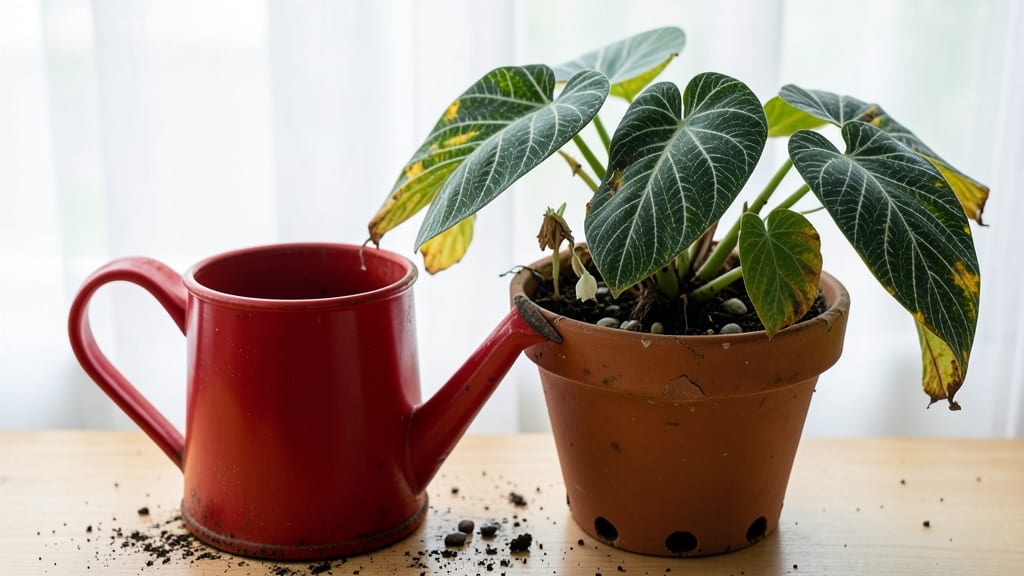
Your prayer plant’s drooping leaves are screaming for help—likely from too much love in the form of water. 🌱 I’ve nursed countless overwatered prayer plants back to life, and the fix is simpler than you’d think.
Most people assume these plants need constant moisture, but they’re actually tropical survivors that hate soggy roots.
The first clue is leaves that feel mushy or turn yellow at the edges, while stems stay limp even when dry. Root rot sets in fast, cutting off oxygen to the roots.
The good news? You can reverse this in 3 simple steps: stop watering immediately, repot into fresh, chunky soil, and pick a pot with drainage holes—no guesswork needed.
Within 2-3 weeks, you’ll see new growth pushing through, leaves perking up, and that classic "praying" motion returning. The key is checking soil moisture with your finger before watering—if the top inch feels damp, wait another day. This plant forgives mistakes, but only if you act fast.
Once recovered, keep it in bright, indirect light and water only when the topsoil feels dry to the touch. That’s it—no complicated routines. Your prayer plant will thrive, and you’ll learn the hard way why these plants are called "indestructible" (when treated right).
Common Causes Of Overwatered Prayer Plants
Your Maranta leuconeura—better known as the prayer plant—is a tropical beauty that thrives on consistency, but too much love (in the form of water) can quickly turn its lush leaves yellow, mushy, or even cause root rot.
Understanding why this happens is the first step to saving your plant. Let’s break down the science and habits that lead to overwatering.
The prayer plant’s native habitat in the Brazilian rainforest means it loves humidity, but its roots hate soggy conditions. When planted in soil that doesn’t drain well—like dense, clay-heavy mixes or pure peat—water pools around the roots instead of flowing away.
Over time, this creates an anaerobic (oxygen-free) environment, where beneficial microbes can’t break down excess moisture, leading to:
- Root suffocation: Without oxygen, roots can’t absorb nutrients or respire properly, causing them to decay.
- Fungal infections: Fungi like Phytophthora thrive in waterlogged soil, attacking roots and spreading to leaves.
- Nutrient leaching: Excess water washes away essential minerals (like nitrogen and potassium), starving the plant even as it sits in wet soil.
Actionable fix: Amend your soil with perlite, orchid bark, or coconut coir (20-30%) to improve drainage. A quick test? Squeeze a handful of moist soil—if it forms a tight ball, it’s too dense.
Prayer plants are not cacti—they don’t store water in their leaves or stems. Their thin, velvety foliage and shallow roots mean they dry out fast between waterings. Yet, many plant parents default to a rigid schedule (e.g., "every Monday and Thursday"), assuming it’s safe. Here’s why this backfires:
- Ignoring soil moisture: Factors like humidity, temperature, and pot size change how quickly soil dries. A north-facing window vs. a sunny spot can mean the difference between thirsty roots and waterlogged ones.
- Overcompensating for dry spells: If your plant wilts, you might drown it to "revive" it—only to make the problem worse.
- Pots without drainage holes: Without an exit for excess water, every drop you add sits at the roots’ feet.
Actionable fix: Stick your finger 1-2 inches into the soil. If it’s damp, wait. If it’s bone-dry, water thoroughly until it drains from the bottom. Use a moisture meter for precision!
Not all pots are created equal. Terracotta, for example, is porous and breathable, while ceramic or plastic acts like a water trap. Even the shape matters:
- Shallow pots: Water pools at the bottom, never reaching the roots’ full depth.
- No drainage holes: A death sentence for prayer plants. Without an escape route, water sits indefinitely, promoting rot.
- Overpotting: A pot that’s too large holds excess moisture for weeks, while the plant’s small root system can’t utilize it all.
Science note: Plastic pots also insulate roots, keeping them cooler and slower to dry—ideal for tropical plants in winter, but disastrous if overwatered.
Actionable fix: Repot into a container with drainage holes that’s only 1-2 inches wider than the root ball. Terracotta or fabric pots are great choices!
Prayer plants are sensitive to their surroundings, and certain conditions trick your brain (and the plant) into thinking it needs more water than it does:
- Low light: In dim conditions, photosynthesis slows, so the plant transpires (releases moisture) less. Yet, you might water it "as usual," leading to buildup.
- High humidity: Air humidity above 60% reduces evaporation from the soil surface. A prayer plant in a steamy bathroom may need water half as often as one in a dry living room.
- Cold drafts or AC: Cool air reduces root activity, making the plant less efficient at absorbing water—so excess lingers.
Actionable fix: Adjust your watering based on the season and location. In winter, reduce frequency by 30-50%. Group plants together to create a microclimate with stable humidity.
Here’s the kicker: prayer plants often drop leaves when they’re underwatered, but the yellowing and wilting from overwatering can mimic other issues. Confusing the two leads to even more watering—creating a vicious cycle. Key differences:
| Overwatered | Underwatered |
|---|---|
| Leaves turn yellow or brown, feel mushy to the touch. | Leaves crisp or curl, feel dry and papery. |
| Roots smell rotten or are black/mushy. | Roots are dry and shriveled. |
| Soil stays wet for days after watering. | Soil dries out within 1-2 days. |
Actionable fix: Before watering, check the roots! Gently remove the plant from its pot and inspect. If roots are firm and white, it’s fine. If they’re slimy or black, stop watering immediately and repot in dry soil.
Revive Your Prayer Plant Fast
Here’s how to nurse your soggy prayer plant back to health—plus tips to keep it thriving long-term. Overwatering can feel like a death sentence for these tropical beauties, but with the right moves, you’ll have them perking up in no time.
Problem: Compact, waterlogged soil suffocates roots, cutting off oxygen and causing rot. Fix:
- Remove from the pot and gently loosen the root ball with your fingers (or a chopstick) to aerate it. 🌱
- Repot immediately in fresh, well-draining soil (more on that below). If the roots smell foul or look mushy, trim the damaged parts with sterilized scissors.
- Drain thoroughly: Place the plant in its new pot and let excess water flow out completely. Elevate the pot on a saucer or tray to catch runoff—never let it sit in water.
Prevention Tip: 💡 Use a pot with drainage holes (even if it’s just a small one at the bottom). If your pot is decorative, repot in a nursery pot first, then nest it inside.
Problem: Heavy or clay-based soil holds moisture like a sponge, worsening root rot. Fix:
- Ditch the old soil—it’s likely compacted and harboring bacteria. Replace it with a light, airy mix designed for tropical plants. A great combo:
- 50% peat-free potting mix (coco coir or compost-based)
- 30% perlite or pumice (for drainage)
- 20% orchid bark or worm castings (for nutrients + aeration)
- Avoid garden soil—it’s too dense and can introduce pests.
Pro Tip: ✨ Add a handful of activated charcoal to the new mix to prevent fungal growth while the plant recovers.
Problem: Overwatering is usually a habit, not a one-time mistake. Fix:
- Wait until the top 1–2 inches of soil are dry before watering again. Stick your finger in—if it’s damp past your first knuckle, wait longer. 👆
- Water deeply but less often: Give your prayer plant a slow, thorough soak until water runs out the drainage hole, then let it drain completely. Empty the saucer after 10 minutes to avoid soggy bottoms.
- Humidity matters: Prayer plants love moisture in the air but hate wet feet. Mist the leaves occasionally (but not when soil is wet) or place a pebble tray with water nearby—just keep the pot elevated.
Schedule Hack: ⏰ Stick to a bi-weekly watering schedule in spring/summer and monthly in winter. Adjust based on your home’s humidity and light.
Problem: Weak light and stagnant air slow recovery. Fix: - Move to bright, indirect light (east or north-facing windows are ideal). Avoid harsh afternoon sun, which can stress already compromised plants. - Boost airflow: Place a small fan nearby on low setting (3–4 hours/day) to mimic tropical breezes.
This speeds up evaporation and deters fungal issues. - Rotate the plant weekly so all sides get even light, preventing lopsided regrowth.
Light Check: 🔦 If your home is dim, supplement with a grow light 6–8 inches away for 12–14 hours/day.
Once your prayer plant is back on track, keep these habits to avoid future soggy disasters: - Use the "finger test" before watering—consistency is key. - Repot every 1–2 years to refresh the soil mix. - Watch the leaves: Yellowing or drooping between waterings?
You’re overdoing it. - Fertilize lightly (every 2–3 months in spring/summer) with a balanced, diluted liquid fertilizer (half-strength). Over-fertilizing adds salt buildup, which also stresses roots.
🌟 Recovery Timeline:
- 1–2 weeks: Leaves may stay limp as roots recover.
- 3–4 weeks: New growth should emerge from the center.
- 2+ months: Fully revived with vibrant, upright leaves!
With these steps, your prayer plant will be folding its leaves in prayer—and staying that way—in no time. 🙏🌿
Frequently asked questions
How do I tell if my prayer plant is overwatered vs. underwatered?
Check the leaves and roots! Overwatered plants have mushy, yellowing leaves that feel soft to the touch, while underwatered ones have crispy, dry edges. The soil is another clue: if it stays damp for days, you're overwatering. Roots tell the real story—healthy roots are firm and white, while rotten roots smell foul and turn black.
Can I save a prayer plant with root rot?
Yes, but act fast! Remove the plant from its pot, trim away any black, mushy roots with sterilized scissors, then repot in fresh, well-draining soil. Use a mix with perlite or orchid bark to prevent future issues. Keep the soil dry for 1-2 weeks while the roots recover—this gives them time to heal without drowning.
Why does my prayer plant droop after watering?
This is a classic overwatering sign! Prayer plants droop when their roots can't absorb oxygen from soggy soil. The leaves may also feel heavy or develop brown spots. Let the top 1-2 inches of soil dry out completely before watering again. If the drooping persists, check for root rot and repot immediately.
What’s the best pot for a prayer plant to prevent overwatering?
Choose a pot with drainage holes—terracotta or fabric pots work best. Avoid plastic or ceramic without holes, as they trap moisture. Size matters too: pick a container that’s only 1-2 inches wider than the root ball to prevent excess water retention. Pro tip: Elevate the pot on a saucer to catch drainage while keeping roots dry.
How often should I water my prayer plant after recovery?
Once revived, water only when the top 1-2 inches of soil feel dry to the touch. In spring/summer, this is usually every 10-14 days, while winter care drops to every 3-4 weeks. Adjust based on humidity—plants in dry air need more frequent watering than those in humid bathrooms. Always let excess water drain completely.