
Fertilization
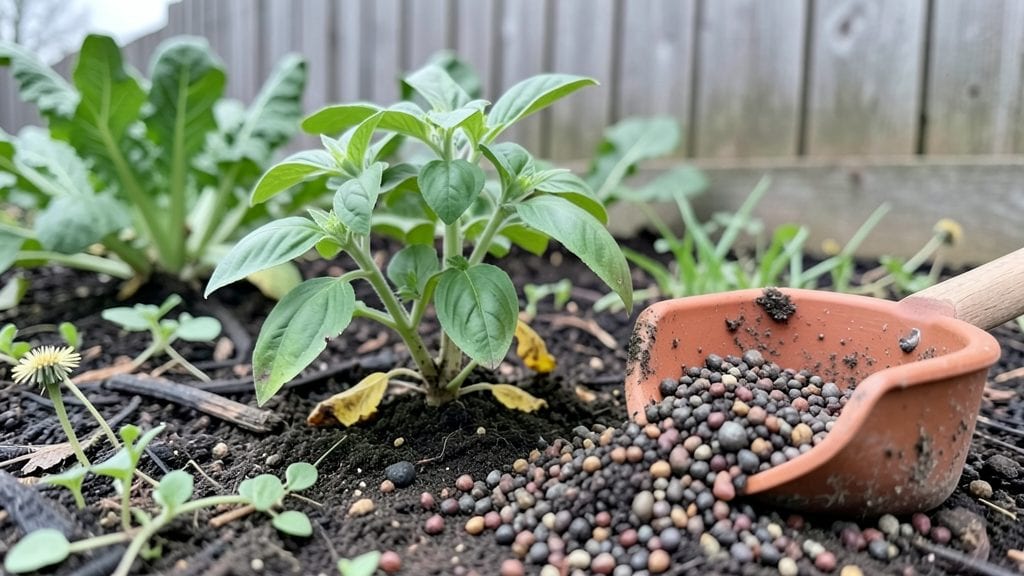
NPK plant food balances nitrogen (N), phosphorus (P), and potassium (K) to fuel plant growth, flowering, and root development, with ratios like 10-10-10 for general use or higher potassium (e.g., 5-10-15) for blooming plants. Adjust based on your plant’s life stage and soil health.
Understanding these three nutrients is key to unlocking your plants' full potential. Nitrogen (N) acts as the growth engine, promoting lush foliage, while phosphorus (P) supports root systems and flower production.
Potassium (K) strengthens plant resilience against disease and environmental stress. 🌱 For example, leafy greens like spinach thrive with a higher nitrogen ratio (e.g., 4-1-2), while fruiting plants such as tomatoes benefit from balanced or potassium-heavy blends (e.g., 5-10-10).
Soil tests reveal what your garden truly needs, helping you avoid costly over-fertilization mistakes.
Many gardeners overlook how seasonal changes affect NPK needs. Spring focuses on nitrogen to kickstart growth, while summer shifts toward phosphorus and potassium as plants flower and fruit.
I’ve seen firsthand how adjusting ratios mid-season—like switching from 10-10-10 to 5-10-15 for late-summer blooms—can transform a struggling garden into a vibrant display. The right NPK blend isn’t just about numbers; it’s about matching your plants’ life cycles to their nutritional demands. ✨
💡 In This Article
- How NPK Ratios Affect Plant Growth Stages
- Choosing the Right NPK Fertilizer for Your Garden
How NPK ratios affect plant growth stages
Nitrogen (N) is the powerhouse behind leafy growth, fueling chlorophyll production and protein synthesis. When plants receive ample nitrogen, they develop broad, vibrant leaves—think of the lush green foliage of spinach or lettuce.
A ratio like 3-1-2 emphasizes nitrogen, delivering 3 parts nitrogen to 1 part phosphorus and 2 parts potassium.
This balance is ideal for vegetative growth stages, where plants prioritize building their canopy over flowering. 🌿 For instance, basil thrives with a nitrogen-rich blend, producing dense leaves perfect for pesto or salads.
Phosphorus (P) takes center stage during root development and flowering, acting as the energy transfer molecule in plants. It’s what helps roots dive deeper into the soil and encourages bud formation.
A ratio like 1-2-2 shifts focus to phosphorus and potassium, supporting plants like roses or tomatoes that need strong root systems and abundant blooms. Phosphorus also plays a critical role in photosynthesis and cellular respiration, ensuring plants can efficiently convert sunlight into energy.
Without enough phosphorus, plants may produce stunted growth or weak stems, even if nitrogen levels are high.
Potassium (K) acts as the plant’s immune system and stress regulator, helping cells maintain proper water balance and resisting disease. A ratio like 5-10-15, with higher potassium, is perfect for plants in their fruiting or flowering stages, such as peppers or orchids.
Potassium also enhances flavor and nutrient density in produce—ever notice how homegrown tomatoes taste more vibrant? That’s potassium at work.
Many gardeners overlook potassium, assuming nitrogen and phosphorus are the only critical nutrients, but potassium deficiencies often manifest as weak stems or yellowing leaf edges, even when other nutrients are plentiful. ⚡
One common misconception is that more fertilizer is always better. Over-fertilizing, especially with nitrogen, can lead to excessive leaf growth at the expense of flowers or fruit, a condition called "luxuriant growth." Too much phosphorus can cause soil pH imbalances, while excess potassium may interfere with calcium and magnesium uptake.
The key is matching the NPK ratio to the plant’s current growth stage—like feeding your lawn a 30-0-4 blend in spring for nitrogen-heavy growth but switching to a 5-10-10 blend in summer for flowering and fruiting.
Soil health plays a surprising role in how plants utilize NPK. Sandy soils drain nutrients quickly, requiring more frequent applications of soluble fertilizers, while clay soils hold nutrients longer but may need organic matter to improve aeration.
A simple DIY test—like the "squeeze test" for soil moisture or a pH test kit—can reveal whether your soil is retaining or leaching nutrients. For example, if your soil is acidic (pH < 6.0), phosphorus becomes less available, even if you’re using a phosphorus-rich fertilizer.
Adjusting ratios based on soil tests ensures your plants get the right nutrients in the right form. 💫
Seasonal adjustments are another game-changer. Early spring calls for nitrogen-heavy blends to jumpstart growth, while late summer benefits from phosphorus and potassium to support blooming and fruiting.
I’ve seen firsthand how switching from a 10-10-10 blend in spring to a 5-10-15 blend in summer can transform a struggling tomato plant into a prolific producer.
The trick is observing your plants—yellowing leaves may signal nitrogen deficiency, while weak stems or poor flowering often point to potassium or phosphorus needs.
Ultimately, NPK ratios are about precision. Whether you’re growing vegetables, flowers, or ornamentals, understanding how each nutrient supports different growth stages lets you tailor your approach. Start with a soil test, match ratios to your plants’ life cycles, and don’t forget to monitor for signs of deficiency or excess.
With the right balance, your garden will thrive from root to bloom. ✨