
Planting
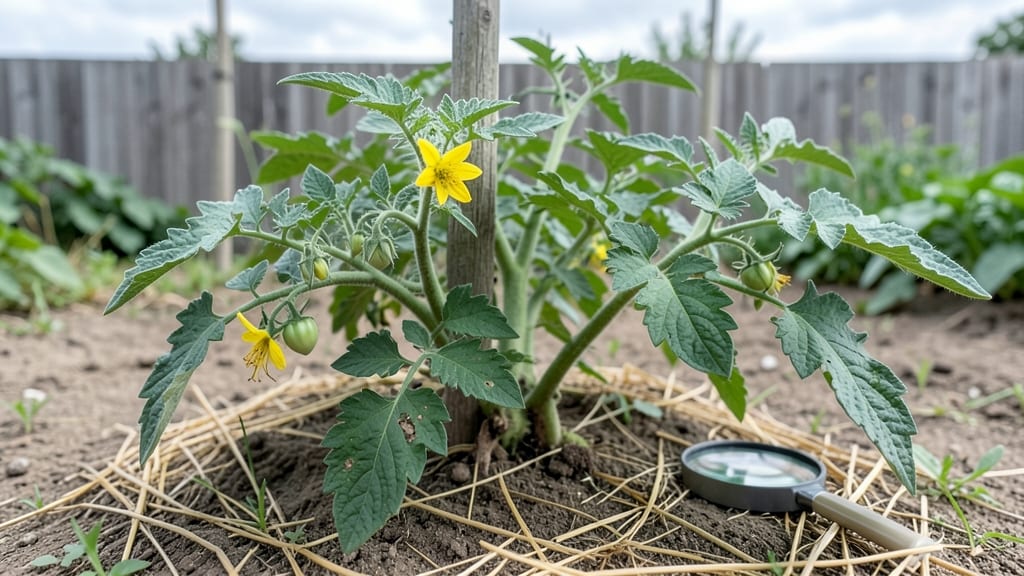
Tomato plant pollination happens through wind, bees, or manual help, but weak pollination causes blossom drop or undersized fruit. Shake plants daily, lure in pollinators, or use a soft brush to spread pollen for stronger fruit development.
Tomato flowers rely on pollen transfer between stamens and pistils to develop fruit, and nature handles this through wind or bees. 🌿 When these natural helpers are scarce—like in greenhouses or during rainy seasons—your plants may struggle, leading to fewer tomatoes.
I’ve seen firsthand how a simple 10-second shake in the morning can dramatically improve fruit set, especially for heirloom varieties that need extra attention. Adding pollinator-friendly flowers nearby also creates a mini ecosystem that benefits your entire garden.
For indoor growers, a small handheld fan set to low speed can mimic wind pollination, while outdoor gardeners might spot bees buzzing less in early morning hours. The key is consistency—whether you’re shaking, brushing, or planting flowers, regular intervention makes all the difference in avoiding those frustrating blossom drops.
💡 In This Article
- How Tomato Flowers Transfer Pollen Naturally
- 3 Natural Triggers to Improve Tomato Fruit Set
How tomato flowers transfer pollen naturally
Tomato flowers have a fascinating two-part reproductive system: the stamens (male parts) produce pollen that must reach the pistil (female part) for fertilization. Each flower contains about 5-7 stamens with yellow pollen sacs and a single pistil topped by a green stigma.
The stigma is sticky and designed to catch pollen grains, which is why you often see tiny yellow dots on it after pollination. This process is called cross-pollination when pollen comes from another plant, or self-pollination when it comes from the same flower.
The key factor is how pollen travels: in nature, wind carries about 60-70% of tomato pollen, while bees handle the rest. Wind-pollinated varieties like cherry tomatoes have lighter pollen that disperses easily, while larger varieties may rely more on insect visitors.
Bees, particularly bumblebees, are especially effective because their fuzzy bodies pick up and transfer pollen between flowers with each visit. The stigma must receive at least 50 pollen grains for successful fertilization—any fewer and the flower may drop without setting fruit. 🌬️
Greenhouse or indoor tomatoes often struggle because these controlled environments lack natural wind currents and pollinators. Without airflow, pollen stays trapped in the flower, and without bees, cross-pollination becomes unreliable.
This is why you might see blossom end rot or tiny, misshapen tomatoes—signs the plant didn't get enough pollen to develop properly. The solution lies in mimicking nature's methods: gentle shaking creates wind movement, while hand-pollination with a brush replicates bee activity.
Even a 5-second shake twice daily can improve fruit set by up to 30% in some varieties.
Here's where variety matters: Self-pollinating tomatoes (like Roma or Beefsteak) can fertilize themselves, but they still benefit from extra help, especially in hot weather when pollen becomes less viable. Cross-pollinating varieties (such as Brandywine) absolutely require outside pollen sources.
The stigma's stickiness means it can store pollen for up to 24 hours, which is why timing your interventions matters—morning shakes work best when flowers are fully open and receptive. 🌸
For a visual comparison, imagine the flower's anatomy: the stamens stand tall like tiny antennae, while the pistil sits in the center like a waiting cup.
When pollen lands on the stigma, it germinates and grows a tube down the pistil to reach the ovary—where the magic happens and fruit begins to form.
This entire process takes about 3-5 days to complete, which is why consistent pollination efforts pay off over time rather than in single events. The result? Plump, flavorful tomatoes instead of empty blossoms.
What most gardeners don't realize is that temperature plays a hidden role. Pollen viability drops below 55°F or above 90°F, which explains why early spring or late summer flowers often struggle.
This is another reason why indoor growers need to take extra steps—consistent temperatures mean pollen stays active longer, giving you more opportunities for successful transfers. A small handheld fan set to low speed can create the gentle airflow needed to move pollen without damaging delicate flowers. ✨