
Blooming
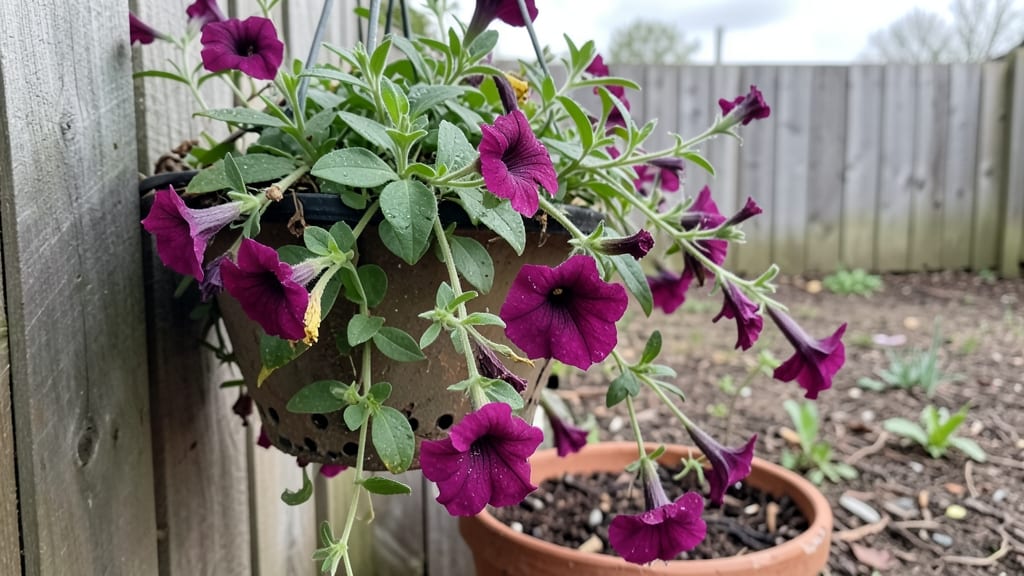
Creating a trailing blooming plants recipe starts with selecting varieties that spill over edges like liquid color. 🌿 I’ve designed cascading displays that transform ordinary spaces into living waterfalls of petals—whether in hanging baskets, window boxes, or along garden borders.
The key lies in balancing bloom times, textures, and complementary colors for a show that lasts from spring through fall.
Think of petunias tumbling in shades of purple and pink, paired with sweet potato vine’s deep green leaves for contrast. Or mix nasturtiums with their fiery orange blooms alongside silver foliage for a dramatic effect.
These combinations create depth and movement, drawing the eye through your garden like a carefully staged performance. The best part? Most thrive in full sun to partial shade, making them versatile for almost any spot.
What you’ll achieve is a garden that feels alive with color year-round, where every season brings new stars. Imagine morning light catching dew on petals, or evening breezes rustling through delicate blooms.
These plants don’t just fill space—they create focal points that turn heads and spark conversations. Ready to design your own cascading masterpiece?
This approach works for small balconies or sprawling landscapes, adapting to containers, raised beds, or ground covers. The secret is layering plants with different growth habits and bloom cycles to ensure continuous interest. Let’s get your garden flowing with color!
📚 In This Guide
- What you need
- Instructions
- Tips and common mistakes
- Wrapping up and next steps
What you need
- ● Trailing blooming plants (3–5 varieties): 1–2 plants of Petunia (e.g., 'Wave' or 'Tumbling Waterfall' series)
- ● 1–2 plants of Lobelia (e.g., 'Crystal Palace' or 'Lace Blue' for compact trails)
- ● 1–2 plants of Bacopa (e.g., 'Snowbunch' or 'Ivory Towers' for delicate blooms)
- ● 1–2 plants of Sweet Potato Vine (e.g., 'Margarita' or 'Blackie' for foliage contrast)
- ● 1–2 plants of Nasturtium (e.g., 'Jewel Mix' for edible, vibrant flowers)
- ● Containers (2–4 options): 1–2 hanging baskets (12–18" diameter, with drainage holes)
- ● 1–2 window boxes (12–18" long, with liner or drainage fabric)
- ● 1–2 large pots (10–14" diameter, for ground-level trails)
- ● Growing medium: 1–2 bags of lightweight potting mix (e.g., Miracle-Gro Potting Mix or Black Gold Natural & Organic)
- ● 1 bag of perlite or vermiculite (for drainage, 1–2 cups per container)
- ● Fertilizer: 1 bottle of balanced liquid fertilizer (e.g., Miracle-Gro All-Purpose, 20-20-20) or
- ● 1 packet of slow-release granules (e.g., Osmocote Smart-Release, 14-14-14)
- ● Basic tools: 1 pair of gardening gloves (for protection)
- ● 1 hand trowel (for planting)
- ● 1 spray bottle (for misting seedlings)
- ○ Optional (but helpful!): 1 container liner (e.g., coco fiber liner for hanging baskets)
- ● 1 mulch or decorative stones (for ground-level displays)
- ● 1 plant support (e.g., bamboo stakes for taller varieties like Ipomoea)
- ● 1 pH test kit (to ensure soil is 6.0–7.0 for optimal blooms)
- ● ✅ Sunlight access: Confirm your containers will get 6+ hours of sunlight daily (adjust plant choices for shade if needed).
- ● ✅ Watering schedule: Plan for daily watering (trailing plants dry out faster!).
- ● ✅ Deadheading tools: Snips or fingers to remove spent blooms (encourages more flowers!).
Step-by-step guide to designing a stunning trailing blooming plant display
Here’s how to create a lush, cascading garden that blooms from spring to fall—no fancy tricks, just strategic plant pairings and smart care.
🌱 Step 1: Select Complementary Trailing and Upright Plants
Choose 4 varieties that thrive together: 2-3 trailing plants (like sweet potato vine, nasturtium, or lobelia) for the spiller effect, and 1-2 upright plants (like geraniums or petunias) for height and structure. I always pick plants with contrasting bloom colors—for example, deep purple lobelia paired with fiery orange nasturtiums—to create visual drama. Check their light needs: most trailing bloomers crave full sun (6+ hours), but a few (like impatiens) tolerate partial shade.
Space plants 8-12 inches apart in a 12-inch-deep container (or larger for bigger displays). Trailing plants should hang 3-4 inches over the edge to encourage cascading. If using a window box, position the trailing plants toward the front so they spill gracefully. Avoid overcrowding—trailing plants need room to breathe and spread.
☀️ Step 2: Position for Maximum Blooms and Sunlight
Place your display where it gets at least 6 hours of sunlight daily, preferably south- or west-facing. If your space is shady, opt for shade-tolerant trailers like fuchsia or begonia instead of sun-lovers. I’ve found that morning sun with afternoon shade works well in hot climates—it prevents wilting while still encouraging blooms. Rotate the container quarter-turn weekly so all sides get even light exposure, which prevents lopsided growth.
Watch for leggy stems or sparse blooms—this signals insufficient light. If you notice stems stretching toward the sun or flowers dropping off, move the display closer to the light source or supplement with a grow light for 12-14 hours daily. Trailing plants in low light often revert to leafy growth with few flowers, so don’t skimp on brightness.
💧 Step 3: Water and Feed for Continuous Blooms
Water deeply every 2-3 days until water runs out the drainage holes—trailing plants dry out faster than upright ones because their long stems lose moisture quickly. I like to water early in the morning so foliage dries before evening, which reduces fungal diseases. Let the top inch of soil dry out between waterings; soggy soil rots roots, while bone-dry soil causes buds to drop. If your display is in a windy spot, water more frequently—evaporation speeds up.
Feed with a balanced liquid fertilizer (10-10-10) every 2 weeks during the growing season (spring to fall). I mix it at half-strength to avoid burning tender roots. For extra blooms, switch to a high-phosphorus formula (5-10-5) when buds form. Deadhead spent flowers weekly—this redirects energy to new blooms and keeps your display looking fresh. Pinch back leggy stems to encourage bushier growth.
✂️ Step 4: Prune and Maintain for Season-Long Beauty
Trim back overgrown stems in early summer to encourage bushier growth and prevent the display from looking messy. Use clean, sharp pruners to cut just above a leaf node—this promotes branching. For trailing plants like sweet potato vine, pinch the tips when they reach 12 inches long to force side shoots. I also remove any yellow or diseased leaves immediately to keep the display healthy.
By late summer, some trailing plants (like nasturtiums) may slow their bloom production. To revive them, cut back ⅓ of the plant, fertilize lightly, and give them a week of consistent watering. This often triggers a second flush of flowers. If your display starts looking sparse, add new trailing plants in early fall for a fresh burst of color before winter.
🪴 Step 5: Overwinter or Refresh for Next Season
If your trailing plants are annuals (like nasturtiums or sweet potato vine), let them die back naturally in fall and compost them. For perennials (like creeping jenny or heuchera), cut back dead foliage and reduce watering. Move containers to a protected spot (like a garage or shed) where temps stay above 30°F. I wrap the pots in burlap to insulate roots and check soil moisture monthly—it rarely needs watering in winter.
In early spring, repot or refresh the soil with fresh potting mix and fertilize lightly. Prune back any dead or weak stems, and place the display back in its sunny spot. With proper care, some trailing plants (like lobelia) can last 2-3 years, while others (like petunias) need replacing annually. Rotate plants occasionally to keep the display looking vibrant and balanced.
Tips & tricks for perfect trailing blooming plant displays
Creating a cascading display that thrives all season takes more than just throwing plants together—it’s about understanding their unique needs and creating an environment where they can truly shine.
Light Balance is Everything: The 6 hours of sunlight requirement isn't just a suggestion—it's the sweet spot for most trailing plants to produce abundant blooms. I've seen displays fail spectacularly when placed in partial shade, where plants put all their energy into leaf growth instead of flowers. If your space only gets morning sun, consider supplementing with a grow light for 12-14 hours daily—this artificial boost can make all the difference for sun-loving varieties like nasturtiums and sweet potato vine.
Container Depth Matters More Than You Think: That 12-inch-deep container isn't arbitrary—it gives trailing plants enough root space to establish before they start cascading. Shallow containers cause roots to circle and strangle themselves, leading to leggy, weak growth. For larger displays, opt for containers that are at least 18 inches deep—this prevents overcrowding and allows roots to spread properly. I've learned this the hard way after watching plants struggle in inadequate containers.
Pruning Strategy for Continuous Blooms: When the instructions mention pinching back stems at 12 inches, they're not just suggesting—this technique forces the plant to branch out rather than grow one long, weak stem. I've found that regular pinching (every 2-3 weeks) creates bushier plants with more flower clusters. For trailing plants like lobelia, I also trim back the longest stems by about ⅓ in early summer to encourage a second wave of blooms later in the season.
Winter Survival Secret: That 30°F minimum isn't just about preventing frost damage—it's about maintaining root health. I've seen perennials survive winter only to wilt in spring because their roots froze. Wrapping containers in burlap adds an extra layer of insulation, and checking soil moisture monthly (even in winter) prevents roots from drying out completely. This simple step can make the difference between a display that comes back strong and one that struggles to recover.
Pro Tips for Trailing Blooming Plants
- Creating a cascading display that thrives all season takes more than just throwing plants together—it’s about understanding their unique needs and creating an environment where they can truly shine.
- Light Balance is Everything: The 6 hours of sunlight requirement isn't just a suggestion—it's the sweet spot for most trailing plants to produce abundant blooms.
- Container Depth Matters More Than You Think: That 12-inch-deep container isn't arbitrary—it gives trailing plants enough root space to establish before they start cascading.
Frequently asked questions
What’s the best time to plant trailing bloomers for year-round color?
For spring-to-fall blooms, plant after the last frost (late spring) in warmer zones. In cooler climates, opt for heat-loving varieties like petunias or lobelia and start them indoors 6–8 weeks before the last frost. Winter bloomers (like hellebores) thrive when planted in early fall for early spring displays.
How often should I water trailing plants to keep them blooming?
Watering is key—these plants have shallow roots and need consistent moisture. Water early in the morning 2–3 times per week (daily in extreme heat). Let the top inch of soil dry out between waterings, but never let them wilt. Pro tip: Use self-watering containers or mulch to retain moisture.
What pests or diseases should I watch for in trailing bloomers?
Common culprits include aphids, spider mites, and whiteflies (check undersides of leaves). Fungal issues like powdery mildew thrive in humid conditions. Prevent pests with neem oil or insecticidal soap. For fungal problems, improve airflow and avoid overhead watering. Act fast: Isolate affected plants to stop spread!
Can I mix trailing plants with upright varieties in one container?
Absolutely!
Pair trailing plants (like nasturtiums or fuchsias) with thrillers (e.g., ornamental grasses) and fillers (e.g., calibrachoa) for a layered look. Just ensure the upright plant’s roots won’t outcompete the trailers. Use well-draining soil and larger containers (12+ inches) to accommodate both.
How do I revive a trailing plant that’s stopped blooming?
If blooms fade, it’s often due to overcrowding, lack of nutrients, or stress. Prune leggy stems to encourage new growth, fertilize with a bloom booster (like 20-20-20), and move to sunnier spot if needed. Deadhead spent blooms regularly to prompt more flowers. If roots are bound, repot into fresh soil.
Are trailing bloomers frost-tender? How do I protect them?
Most trailing bloomers (like geraniums or begonias) are frost-sensitive. Before the first frost, cut back plants, pot them up, and move indoors to a sunny windowsill. For hardy varieties (e.g., creeping phlox), mulch heavily and cover with burlap or frost cloth.
Wrapping up and next steps
Transforming your garden into a season-long paradise of trailing blooms is easier—and more rewarding—than you think! 🌸 With the right trailing blooming plants, you’ll enjoy vibrant colors, effortless growth, and a show that lasts from spring to frost.
Whether you’re a gardening newbie or a seasoned green thumb, these cascading stars bring joy with minimal fuss.
Ready to dive in? Start by sketching your dream display—pick your favorite plants, plan their placement, and gather your supplies. Then, roll up your sleeves and let the magic of trailing blooms turn your space into a living waterfall of color. Happy gardening! 🌿