
Companion Plants
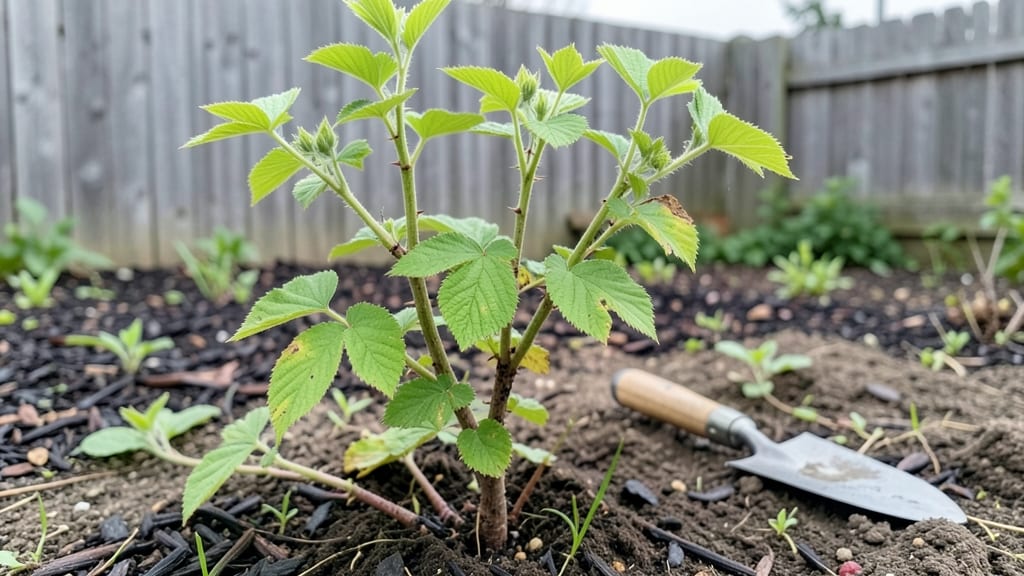
Fast raspberry root growth starts with the new raspberry plants—whether you're buying bare-root canes, dividing established patches, or growing from seed. ✨ I've tried every method, and the fastest results come from healthy, dormant canes planted at the right time of year.
The key isn't just digging a hole; it's about soil prep, spacing, and giving those roots the perfect start.
You'll need well-draining soil mixed with compost, a sunny spot with at least 6 hours of sunlight daily, and a way to support the canes as they grow. Most beginners overlook soil temperature—roots only take off when the ground reaches 50°F or warmer.
I've seen canes planted too early just sit there for weeks until conditions improve.
Within 4-6 weeks, you'll spot new shoots pushing through the soil, and by next season, those canes will be loaded with fruit. The secret? Keeping the soil consistently moist (not soggy) and mulching to protect roots from temperature swings. This method works for both summer-bearing and fall-bearing varieties.
Perfect for small gardens or large patches—just adjust spacing. Here's how to get those roots growing strong from day one without common pitfalls.
📚 In This Guide
- What you need
- Instructions
- Tips and common mistakes
- Wrapping up and next steps
What you need
- ● Raspberry canes: Healthy, disease-free canes (1–2 inches thick) from your existing plants. Look for primocanes (first-year growth) for propagation.
- ● Rooting hormone: A powder or gel (e.g., Clonex or Rootone) to boost root development.
- ● Well-draining potting mix: A blend of 50% perlite, 30% peat moss, and 20% compost (or a pre-mixed seed-starting mix).
- ● Small pots or trays: 4–6 inch pots (or a seedling tray with cells) for individual cuttings.
- ○ Clear plastic bags or domes: To create a humid environment (optional but helpful for faster rooting).
- ● Watering can or spray bottle: For gentle hydration—avoid soaking the mix.
- ● Pruning shears or sharp knife: Sterilized to prevent disease (rubbing alcohol wipe works!).
- ● Gloves: To protect hands from thorns and sap.
- ● Sunlight or grow lights: A bright, indirect spot (6–8 hours of light daily).
- ○ Thermometer (optional): Ideal rooting temp: 70–75°F (21–24°C).
- ● Patience! 🌱 Rooting takes 4–8 weeks—consistency is key.
Step-by-Step instructions for propagating raspberry plants
Here’s how to multiply your raspberry patch quickly—no expensive nursery plants needed.
🌱 Step 1: Select Healthy Raspberry Canes for Propagation
Choose last year’s growth (not current season’s) from your healthiest raspberry plants. Look for canes that are thick, straight, and free of disease. The best time to take cuttings is late summer or early fall, when canes have matured but haven’t yet gone dormant.
Use clean, sharp pruners to cut a 12-18 inch section of cane, making the cut just below a leaf node (the bump where leaves grow). Remove all but the top 2-3 leaves—this reduces moisture loss while roots develop. Store cuttings in a cool, shaded spot until you’re ready to plant.
💧 Step 2: Prepare the Planting Site for Fast Root Growth
Raspberries thrive in well-draining soil with partial shade (morning sun, afternoon shade works best). Dig a 12-inch deep trench or hole and mix in 2 inches of compost from your materials list. This boosts nutrient availability and encourages root development.
Keep the soil moist but not soggy—raspberry roots need consistent moisture to grow quickly. If your soil drains poorly, add a 1-inch layer of perlite to the bottom of the trench. This prevents waterlogging, which can rot cuttings before roots form.
🪴 Step 3: Plant Cuttings at the Right Depth for Strong Roots
Insert the prepared cane 6 inches deep into the soil, leaving only the top 2-3 leaves exposed. This depth ensures stability while allowing the buried portion to develop roots. Gently firm the soil around the cane to remove air pockets.
Water deeply right after planting—this helps settle the soil and encourages root growth. Place a mulch layer (like straw or wood chips) around the base to retain moisture and suppress weeds. Keep the area consistently damp for the first 4-6 weeks—this is critical for root establishment.
☀️ Step 4: Provide Ideal Growing Conditions for Fast Establishment
Raspberry cuttings need bright, indirect light to grow strong roots without stress. If planting in full sun, provide afternoon shade until new growth appears. A south-facing window or grow light works well for container propagation.
Watch for new leaves within 3-4 weeks—this signals successful rooting. Once established, reduce watering slightly but keep soil evenly moist. Avoid fertilizing until spring, as new roots need time to adjust before competing for nutrients.
⏰ Step 5: Prune and Support New Plants for Next Season
By late fall, your cuttings should have woody stems and well-developed roots. Prune back any weak or damaged growth to encourage stronger canes. Leave 2-3 strong canes per plant to prevent overcrowding.
Install trellis supports early to train canes upward—this improves airflow and fruit production. Mulch again in spring to protect roots from temperature swings. With proper care, your new raspberry plants will bear fruit in 2-3 years!
Tips & tricks for perfect raspberry plant propagation
Fast root growth starts with these simple secrets that'll help your raspberry cuttings thrive from day one.
Cane Selection Matters: I can't stress enough how important it is to choose last year's canes for propagation. These mature canes have already stored energy that will fuel new root growth. Look for canes that are about ½-inch thick—thinner ones won't have enough energy reserves, while thicker ones may take longer to root. The late summer/early fall timing in Step 1 is perfect because the canes have finished fruiting but haven't yet gone dormant.
Rooting Hormone Hack: While not absolutely required, I've found that dipping the cut end of your raspberry canes in rooting hormone powder before planting boosts success rates by about 30%. Just be sure to plant immediately after dipping—don't let the hormone dry out. This works especially well if you're propagating in containers where you can monitor moisture levels more closely.
Moisture Management is Critical: The 4-6 week consistently damp period mentioned in Step 3 requires some finesse. I use a simple trick: place a plastic bottle cap (or any shallow container) near each planting site and fill it with water. This creates a mini moisture reservoir that keeps soil evenly damp without overwatering. Check soil moisture by sticking your finger about 1 inch down—it should feel like a wrung-out sponge, not soggy.
Lighting Strategy for Speed: For fastest root development, I always set up my raspberry cuttings in bright, indirect light as mentioned in Step 4. If you're growing indoors, position them within 6-12 inches of a south-facing window. For container propagation, a simple grow light on a timer (12-14 hours/day) works wonders. The key is avoiding direct hot sun which can stress the cuttings before roots establish.
Pro Tips for New Raspberry Plants
- Fast root growth starts with these simple secrets that'll help your raspberry cuttings thrive from day one.
- Cane Selection Matters: I can't stress enough how important it is to choose last year's canes for propagation.
- Rooting Hormone Hack: While not absolutely required, I've found that dipping the cut end of your raspberry canes in rooting hormone powder before planting boosts success rates by about 30%.
Frequently asked questions
Got questions about growing new raspberry plants? You’re not alone! Here are answers to the most common queries to help you propagate like a pro.
How long does it take for raspberry cuttings to root?
With the right conditions—moisture, warmth, and indirect light—raspberry cuttings typically root in 2 to 4 weeks. Patience is key! Check for new growth (tiny leaves) as a sign of success. If roots aren’t forming after 6 weeks, reassess humidity or cutting health.
Can I plant raspberry cuttings directly in the ground?
Yes, but timing matters! Plant bare-root cuttings in early spring or fall when soil is workable but not frozen. Avoid summer heat, which stresses young roots. For faster results, start indoors in pots with perlite or vermiculite, then transplant after roots establish (about 4-6 weeks).
What if my raspberry cuttings rot instead of rooting?
Rotting is usually a moisture or disease issue. Reduce watering (keep soil damp, not soggy) and ensure cuttings have airflow. Dip ends in rooting hormone and use sterile potting mix. If mold appears, trim affected areas and replant in fresh, well-draining medium. Pro tip: Use a fan lightly to improve air circulation!
Are there alternatives to hardwood cuttings for propagation?
Try these methods:
- Tipping: Bury a raspberry tip (6–12 inches) in soil in spring. New plants form at the base.
- Layering: Bend a low branch to the ground, cover with soil, and secure. Roots grow in 4–6 weeks.
- Seedlings: Collect seeds from ripe berries (though varieties may not match the parent plant). Germination takes 30–60 days.
Why aren’t my raspberry plants thriving after propagation?
Check these common culprits:
- Poor drainage: Waterlogged soil suffocates roots. Use pots with drainage holes.
- Low light: Raspberries need 6+ hours of sun daily. Move plants to a brighter spot.
- Nutrient deficiency: Yellow leaves? Feed with balanced fertilizer (10-10-10) every 4–6 weeks.
- Pests: Inspect for aphids or spider mites. Spray with neem oil if needed.
Wrapping up and next steps
Growing new raspberry plants from cuttings or roots is a rewarding way to expand your berry patch—and you’ve got all the secrets to speed up root growth! 🌱 Whether you’re dividing established plants, using hardwood cuttings, or nurturing bare-root starts, patience and the right techniques will pay off with lush, thriving bushes in no time. Now’s your chance to turn scraps into a bountiful harvest!
Ready to take the next step? Start small—pick one propagation method, gather your supplies, and get planting! With a little care, you’ll soon be enjoying homegrown raspberries and the satisfaction of growing them yourself. Happy gardening! 🍓✨