
Trees
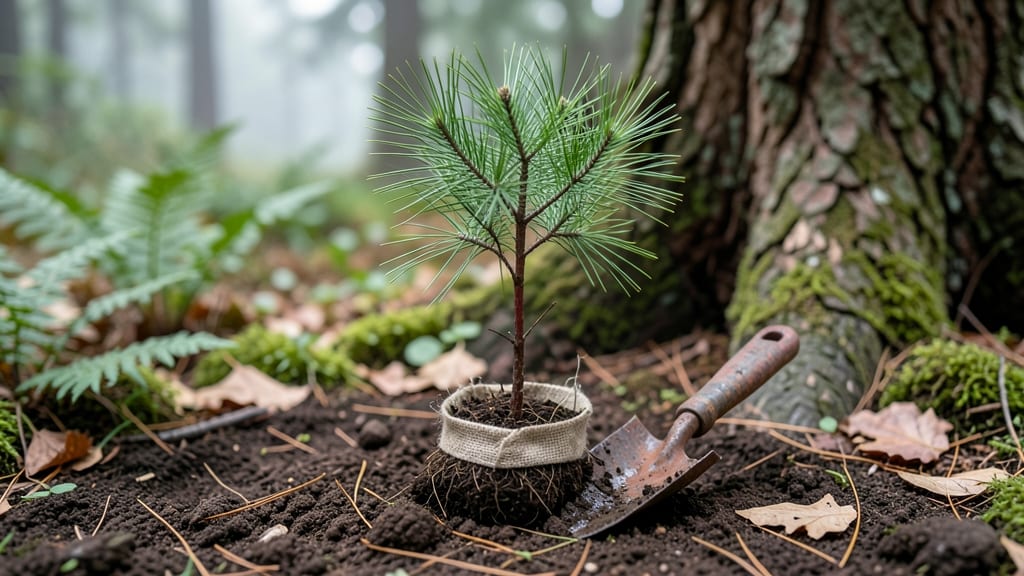
Planting redwood trees means investing in a living monument that will stand for centuries. 🌿 I’ve planted these coastal giants in my own yard, and the key to their success starts long before you even dig the first hole—it’s all about the site, the soil, and understanding what these trees truly need to thrive.
The right spot makes all the difference: redwoods crave deep, well-draining soil and 8+ hours of sunlight daily, but they’ll tolerate partial shade if the air stays humid. Coastal climates are ideal, but inland plantings need extra moisture protection.
Once you’ve picked your location, amend the soil with compost to give those roots a nutrient-rich foundation—redwoods hate soggy feet but love to stretch their roots deep.
When planting, keep saplings 10–15 feet apart—they’ll grow 2–3 feet per year once established, so spacing matters. Mulch heavily to retain moisture and block weeds, then water deeply 2–3 times per week for the first year.
The payoff? A towering, wind-resistant giant that outlives you and your grandchildren, all while providing shade and wildlife habitat.
Here’s where it gets interesting—redwoods are low-maintenance once rooted, but they’ll reward you for one critical habit: annual deep watering during droughts. Skip the fertilizer after the first year; these trees thrive on their own once happy. Ready to grow a legacy?
📚 In This Guide
- What you need
- Instructions
- Tips and common mistakes
- Wrapping up and next steps
What you need
- ● Redwood seedlings or saplings: Choose Sequoia sempervirens (coast redwood) or Sequoia dendron giganteum (giant sequoia). For best results, opt for 1- to 3-year-old saplings (4–6 feet tall) from a reputable nursery.
- ● Shovel or digging spade: A heavy-duty, long-handled spade (at least 18–24 inches wide) for digging planting holes.
- ● Garden fork or tiller: To loosen compacted soil, especially in clay-heavy or rocky areas.
- ● Compost or well-aged manure: 5–10 gallons per tree to enrich the soil with nutrients.
- ● Mulch (wood chips or bark): 3–4 inches of organic mulch to retain moisture and suppress weeds.
- ● Watering can or hose with a gentle spray nozzle: Redwoods need consistent moisture, especially during the first year.
- ○ Tree stakes (optional but recommended): 2–3 stakes per sapling (4–6 feet tall) to provide support until roots establish.
- ● Tree ties or soft garden twine: To secure saplings to stakes without damaging the trunk.
- ● Sunlight: Redwoods thrive in full sun to partial shade (at least 6 hours of sunlight daily). Avoid low-light or urban areas with poor air circulation.
- ● Soil type: Well-draining, acidic to neutral soil (pH 5.0–7.0). Amend heavy clay with compost or sand if needed.
- ● Space: Plant saplings at least 20–30 feet apart (redwoods grow 2–3 feet per year and can reach 300+ feet tall!).
- ● Water source: Ensure easy access to water for the first 1–2 years (redwoods need 1–2 inches of water per week during dry spells).
- ● Climate suitability: Redwoods prefer coastal or humid climates (USDA Zones 7–10). In drier regions, supplement with extra water and shade.
- ● 🌡️ Timing: Plant in early spring or fall to avoid extreme heat or frost.
- ● ✨ Soil test: Check soil pH and nutrients before planting—redwoods are sensitive to alkaline soils.
- ● 🔥 Avoid transplant shock: Keep saplings well-watered for 2 weeks before and after planting.
Step-by-step instructions for planting redwood trees
Here's the method I've used to establish healthy redwoods that thrive for decades.
🌱 Step 1: Choose the Right Planting Site and Prepare the Soil
Redwoods demand well-draining, slightly acidic soil with a pH between 5.5 and 7.0. Test your soil first—amend with 2-3 inches of compost if it's too alkaline or compacted. These giants need full sun to partial shade, with at least 6 hours of direct sunlight daily, though young trees tolerate afternoon shade in hotter climates.
Dig a hole twice as wide as the root ball but no deeper. Loosen the sides with a shovel to encourage root spread. The reason for this wide hole is simple: redwood roots grow horizontally for stability, not downward. Avoid disturbing the root ball when removing the tree from its container—gently squeeze the sides if needed to loosen it.
🪴 Step 2: Plant at the Correct Depth and Stake for Support
Place the redwood in the hole so the top of the root ball sits level with the surrounding soil—never bury the trunk. Fill the hole with native soil mixed with 1 part compost to encourage microbial activity. Tamp down gently in layers to eliminate air pockets, but don’t compact the soil too firmly.
Stake young redwoods if your site gets strong winds. Use two 6-foot stakes placed 12 inches from the trunk and tie with soft fabric strips (never wire). The goal is to provide temporary support while the root system establishes—redwoods mature into self-sufficient giants. Water deeply after planting to settle the soil around the roots.
☀️ Step 3: Water Deeply and Mulch for Moisture Retention
Water the newly planted redwood deeply until the soil is moist 12 inches down. These trees need 1-2 inches of water weekly during the first growing season, more in extreme heat. After watering, apply 3-4 inches of wood chips or bark mulch in a 3-foot diameter circle around the base, keeping mulch 6 inches away from the trunk to prevent rot.
Mulch conserves moisture and regulates soil temperature, which is critical for young redwoods. Check soil moisture weekly by inserting your finger 2 inches deep—water when it feels dry. Avoid overhead watering, which can spread disease. Instead, use a soaker hose to deliver water directly to the root zone.
✂️ Step 4: Prune Strategically and Monitor Growth
Prune only to remove dead, diseased, or crossing branches in the first year. Redwoods self-prune as they mature, so avoid heavy pruning—it stresses the tree. Focus on structural integrity by removing branches that grow inward or rub against each other. Use clean, sharp pruners to make cuts just outside the branch collar.
Monitor for aphids or spider mites, common early pests. Spray with neem oil if you spot sticky residue (honeydew) on leaves. Fertilize only if the tree shows signs of nutrient deficiency—redwoods grow slowly and don’t need extra nutrients in healthy soil. By year 3, your redwood should show steady vertical growth of 1-2 feet annually if conditions are right.
Tips & tricks for planting redwood trees
Planting redwoods successfully isn't just about following steps—it's about understanding the subtle details that make the difference between a struggling sapling and a thriving coastal giant.
Soil Preparation Secret: When amending your soil with 2-3 inches of compost, mix it thoroughly with the native soil rather than creating a compost layer. This gradual transition prevents root shock as the redwood's roots spread horizontally. I've seen too many redwoods fail because their roots hit a sudden compost barrier instead of blending into the natural soil structure. The key is creating a uniform texture that mimics the forest floor where these trees naturally grow.
Staking Strategy: If you're planting in windy conditions, use the two 6-foot stakes but position them diagonally rather than parallel to each other. This creates a stronger triangular support system that resists wind better. The fabric strips should be tied loosely enough to allow some trunk movement—this actually helps strengthen the stem. I learned this the hard way after seeing a redwood trunk girdle itself from being tied too tightly, which can strangle growth for years.
Watering Wisdom: The weekly 1-2 inches of water during the first growing season might seem straightforward, but timing matters. Water in the early morning so the foliage has all day to dry, preventing fungal diseases. I've noticed that redwoods planted in coastal climates often need less water than inland plantings due to higher humidity—adjust based on your specific microclimate. A simple soil moisture test with your finger at 2 inches deep is all you need to gauge when to water again.
Mulching Mastery: That 3-4 inches of wood chips isn't just for looks—it's a critical insulation layer. In coastal climates, it helps moderate temperature swings between day and night. I recommend using cedar chips specifically, as they naturally resist rot and provide additional pest deterrence. Just remember to keep it 6 inches away from the trunk to prevent moisture buildup that can cause rot at the base.
Pro Tips for Planting Redwood Trees
- Planting redwoods successfully isn't just about following steps—it's about understanding the subtle details that make the difference between a struggling sapling and a thriving coastal giant.
- Soil Preparation Secret: When amending your soil with 2-3 inches of compost, mix it thoroughly with the native soil rather than creating a compost layer.
- Staking Strategy: If you're planting in windy conditions, use the two 6-foot stakes but position them diagonally rather than parallel to each other.
Frequently asked questions
Got questions about planting redwood trees? You’re not alone—these majestic giants need special care! Here are answers to the most common questions to help you grow strong, healthy redwoods with confidence.
How deep should I plant a redwood tree?
Dig a hole twice as wide as the root ball but only as deep as the container’s bottom. Redwoods hate being buried too deep—this can suffocate roots and cause rot. Loosen the soil at the bottom to encourage root spread and improve drainage.
When is the best time to plant redwood trees?
The ideal window is late fall to early spring (October–March). Cooler temps and consistent rain reduce transplant shock. Avoid summer heatwaves—redwoods struggle with drought stress during their first year. If planting in summer, water deeply every 2–3 days.
Can I grow redwood trees in containers?
Yes, but they’re not long-term container plants. Use a 15+ gallon pot with fast-draining soil (50% potting mix, 50% perlite). Redwoods grow slowly in containers—expect 1–2 feet of growth per year. For mature trees, transplant to the ground within 3–5 years to avoid root-binding.
Why is my redwood tree turning yellow or dropping needles?
Yellowing needles or needle drop usually signals overwatering, poor drainage, or root rot. Check the soil—it should stay moist but not soggy. Redwoods thrive in well-draining, acidic soil (pH 5.5–7.0). If roots smell foul, trim affected areas and repot with fresh, airy soil.
Do redwoods need full sun, or can they tolerate shade?
Young redwoods prefer partial shade (30–50% sunlight) to avoid stress, while mature trees tolerate full sun in coastal climates. In hot inland areas, protect them from afternoon sun. Mulch heavily (3–4 inches) to retain moisture and mimic their foggy, humid native habitat.
Pro Tip:
Redwoods release mycorrhizal fungi that boost soil health—plant them near other trees (like Douglas firs) to create a thriving forest ecosystem!
Wrapping up and next steps
Planting redwood trees isn’t just about nurturing towering giants—it’s a lifelong commitment to strength, beauty, and ecological legacy. 🌲 From selecting the right soil to protecting young saplings, every step matters in helping these coastal champions thrive.
Whether you’re a seasoned gardener or a curious beginner, the key is patience, preparation, and passion.
Ready to grow your own redwood legacy? Start by sketching a planting plan—mark your space, gather supplies, and set a timeline. Then, take the first step: order seedlings or seeds today and let the journey begin! Your future forest awaits. 🌱