
Companion Plants
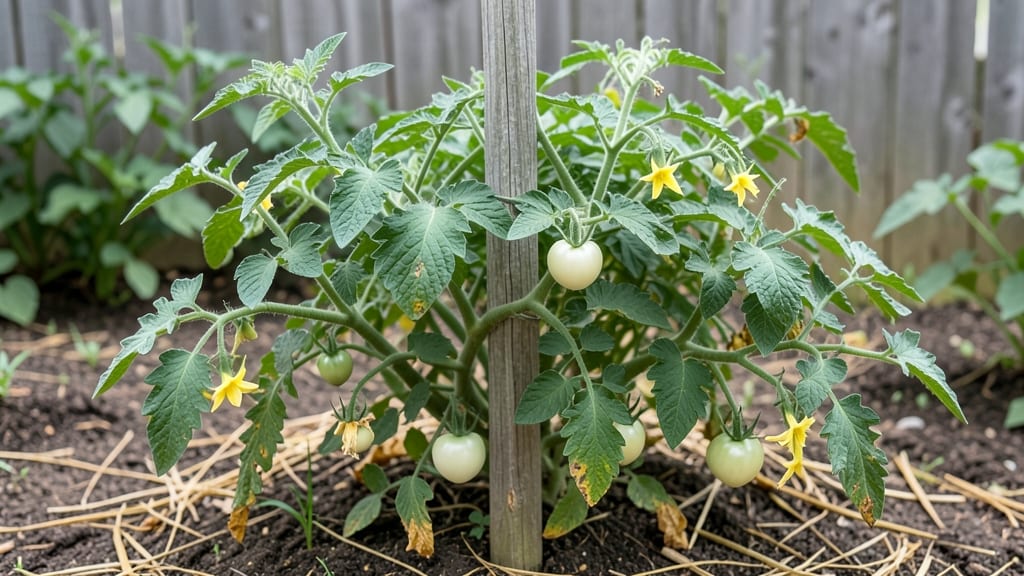
Growing Moonglow tomato plants gives you sun-resistant flavor in tight spaces—something I’ve been chasing since my first backyard garden. These compact, disease-fighting tomatoes thrive where others wilt, producing sweet, 4-ounce fruits perfect for slicing.
The secret lies in their heat tolerance and bushy growth habit, which means fewer stakes and more consistent harvests even in small plots.
You’ll need well-draining soil with a pH between 6.0 and 6.8, and a spot that gets at least 6-8 hours of sunlight daily—though Moonglow handles afternoon heat better than most varieties.
Start seeds indoors 6-8 weeks before your last frost, or buy transplants once nighttime temperatures stay above 50°F. The key is spacing: plant them 18-24 inches apart to avoid crowding, which triggers disease.
Once established, these plants reward you with fewer pruning needs and earlier harvests than heirlooms. Pinch suckers regularly to encourage bushier growth, and water at the base—never overhead—to prevent fungal issues.
By midsummer, you’ll be picking tomatoes that taste sweeter than store-bought, with a balance of acidity that’s hard to beat.
They’re also drought-tolerant once rooted, making them ideal for water-conscious gardeners. Whether you’re growing in containers, raised beds, or a sunny corner of your yard, Moonglow delivers where other varieties fail. Let’s get those seeds in the ground!
📚 In This Guide
- What you need
- Instructions
- Tips and common mistakes
- Wrapping up and next steps
What you need
- ● Moonglow tomato seeds or seedlings: 3–5 plants (or 1–2 per container if growing in pots).
- ● Containers or garden bed: For pots: 5-gallon containers (minimum) with drainage holes.
- ● For ground planting: Well-draining soil in a sunny spot (6+ hours of light).
- ● High-quality potting mix: 1–2 bags (sterilized, with added compost for nutrients).
- ● Fertilizer: Balanced 10-10-10 or 5-10-10 fertilizer (follow package rates).
- ● OR organic options like worm castings or compost tea.
- ● Staking or cages: 3–4 ft tall tomato cages or bamboo stakes (for support as plants grow).
- ● Watering can or hose with gentle nozzle: Moonglows love consistent moisture!
- ● Pruning shears: Small, sharp pair for trimming suckers and dead leaves.
- ● Mulch: Straw or shredded leaves to retain moisture and suppress weeds.
- ● Shade cloth: Lightweight fabric (30–50%) for hot afternoons if growing in intense sun.
- ● Companion plants: Basil, marigolds, or borage to deter pests and boost growth.
- ● pH test kit: To ensure soil pH is 6.0–6.8 (ideal for tomatoes).
- ● Grow lights: If starting indoors early (LED or fluorescent, 12+ hours/day).
Step-by-step instructions for planting and growing Moonglow tomato plants
This sun-resistant variety thrives in compact spaces—follow these steps for strong, productive plants.
Prepare the Planting Site for Optimal Sun Exposure
Moonglow tomatoes need at least 6-8 hours of direct sunlight daily, but they tolerate heat better than most varieties. Choose a location with morning sun and afternoon shade if your climate exceeds 90°F. Clear the area of weeds and loosen soil to a depth of 12 inches, breaking up any compacted layers.
Amend the soil with 2-3 inches of compost to improve drainage and fertility—Moonglows respond well to rich, well-draining soil. If your soil is heavy clay, mix in 1 part perlite or coarse sand for every 3 parts soil to prevent waterlogging. Test the pH before planting; aim for a range of 6.0-6.8, as tomatoes thrive in slightly acidic soil.
Plant Transplants at the Right Depth and Spacing
Dig holes slightly deeper than the root ball of your Moonglow transplants to encourage deeper root growth. Space plants 18-24 inches apart in rows 24-36 inches apart to allow airflow and reduce disease risk. Gently remove the plant from its container, loosen the roots if they’re circling, and place it in the hole so the top of the root ball sits 1 inch below soil level.
Fill the hole with soil, pressing lightly around the base to eliminate air pockets. Water deeply to settle the soil and remove any tags or labels from the plants. Avoid burying the stem too deeply—this can cause rot. If your climate is still cool, wait to transplant until nighttime temperatures stay above 50°F to prevent shock.
Provide Consistent Watering and Mulching
Water Moonglow tomatoes deeply 1-2 times per week, ensuring the soil stays evenly moist but not soggy. Aim for 1-1.5 inches of water per week, delivered at the base rather than overhead to prevent fungal diseases. You’ll know you’re watering correctly when the top 2 inches of soil feel dry to the touch before the next watering.
Apply a 2-3 inch layer of organic mulch, like straw or shredded leaves, around each plant to retain moisture and regulate soil temperature. Keep mulch 6 inches away from the stem to prevent rot. Avoid wetting the leaves when watering—this reduces the risk of early blight, a common issue in humid climates.
Support and Prune for Maximum Yield
Install a stake or cage at planting time to support the plant as it grows. Moonglows are indeterminate, so they’ll continue growing taller and producing fruit throughout the season. Prune suckers—those small shoots that form in the leaf axils—weekly to redirect energy to fruit production. Remove any leaves touching the soil to improve airflow and reduce disease.
Pinch off the first few flowers if your plant is small, as this encourages stronger stem and root development. Once the plant is established, let it flower and fruit freely. Harvest tomatoes when they’re fully colored and slightly soft to the touch, typically 70-80 days after transplanting. Regular harvesting encourages more production.
Monitor for Pests and Adjust Care as Needed
Check plants weekly for common tomato pests like aphids, hornworms, and whiteflies. Remove affected leaves or use neem oil as a preventive spray if pests appear. Yellowing leaves often signal overwatering or nutrient deficiency—adjust your watering schedule or fertilize with a balanced 10-10-10 formula every 4-6 weeks once flowering begins.
If your plants show signs of stress, like wilting or curled leaves, they may need more shade during peak heat. Provide temporary shade cloth if temperatures exceed 95°F for extended periods. Moonglows are heat-tolerant, but even they benefit from relief during extreme conditions. With consistent care, you’ll enjoy a bountiful harvest from a compact, sun-resistant variety.
Tips & tricks for perfect Moonglow tomato plant care
Growing Moonglow tomatoes successfully comes down to understanding their unique needs—especially their sun tolerance and compact growth habits. These targeted tips will help you avoid common pitfalls and maximize your harvest.
Soil Preparation Secret: The 6-8 hours of daily sunlight requirement is non-negotiable, but what happens in the soil makes all the difference. When amending with compost, mix it thoroughly into the loosened 12-inch depth rather than just top-dressing. This ensures the roots have access to nutrients throughout their growing zone. For clay-heavy soils, I find that adding perlite at a 1:3 ratio creates the perfect balance between moisture retention and drainage—something Moonglows particularly appreciate in humid climates.
Transplant Timing Strategy: The 50°F nighttime temperature threshold isn't just about avoiding shock—it's about giving your plants the energy to establish roots before they need to focus on fruiting. I've learned the hard way that transplanting too early in cool weather leads to stunted growth. Wait until you've had three consecutive nights above 50°F, and consider using row covers for the first week if your mornings still dip below this threshold. The extra protection pays off in stronger plants.
Watering Precision: The 1-2 times per week guideline works beautifully, but the real magic happens in how you deliver that water. Use a rain gauge or measuring cup to ensure you're providing exactly 1-1.5 inches of water weekly. I recommend watering in the early morning so the foliage has time to dry completely before evening—this simple habit drastically reduces fungal disease pressure. For container-grown Moonglows, you might need to water daily during peak heat, but always check that top 2 inches of soil first.
Heat Management: While Moonglows handle 90°F temperatures better than most, I've found that providing afternoon shade when temperatures approach 95°F can actually increase fruit set. Use shade cloth rated for 30-50% coverage during the hottest hours, especially when your plants are flowering. This small adjustment can mean the difference between a modest harvest and a prolific one, particularly in desert climates or heatwaves.
Pro Tips for Moonglow Tomato Plants
- Growing Moonglow tomatoes successfully comes down to understanding their unique needs—especially their sun tolerance and compact growth habits.
- Soil Preparation Secret: The 6-8 hours of daily sunlight requirement is non-negotiable, but what happens in the soil makes all the difference.
- Transplant Timing Strategy: The 50°F nighttime temperature threshold isn't just about avoiding shock—it's about giving your plants the energy to establish roots before they need to focus on fruiting.
Frequently asked questions
Got questions about growing Moonglow tomato plants? You’re not alone!
Here are answers to the most common queries from gardeners just like you.
How long does it take for Moonglow tomato plants to produce fruit?
With proper care, Moonglow tomato plants typically start producing fruit 60–70 days after transplanting (or 80–90 days from seed). Their compact size and early maturity make them perfect for small spaces and shorter growing seasons. Pro tip: Prune suckers early to redirect energy to fruit production!
Can Moonglow tomatoes handle heat waves or full sun?
Moonglow tomatoes are bred for heat tolerance, thriving in full sun (6–8+ hours/day) even in hot climates. However, mulch heavily to retain moisture and avoid wilting. If temps exceed 90°F (32°C), provide afternoon shade to prevent sunscald.
What’s the best way to support Moonglow tomato plants?
Moonglow plants are determinate (bush-type), so they don’t need tall cages. Use low stakes (3–4 feet tall) or small cages (1–2 feet wide) to prevent sprawling. For extra stability, weave in trellis netting—it keeps fruit off the ground and improves airflow. Pro tip: Use recycled wire mesh or bamboo stakes for eco-friendly support!
Are Moonglow tomatoes prone to pests or diseases?
While Moonglow tomatoes are disease-resistant to verticillium and fusarium wilt, they can still attract pests like aphids or hornworms. Prevent issues by:
- Rotate crops annually to avoid soil-borne pathogens.
- Handpick pests early (especially hornworms!).
- Use neem oil or insecticidal soap for mild infestations.
Can I grow Moonglow tomatoes in containers or hanging baskets?
Yes! Moonglow tomatoes are ideal for containers—just use a pot at least 12–15 inches deep and wide with drainage holes. For hanging baskets, choose self-watering designs and train vines downward. Key tip: Add a time-release fertilizer (like 10-10-10) at planting to ensure nutrient consistency.
What’s a good alternative if Moonglow tomatoes don’t thrive?
If your climate or space limits Moonglow success, try these heat-tolerant, compact alternatives:
Variety
Days to Fruit
Notes
Solar Fire
65–70 days
Orange, heat-resistant, great for containers.
Tiny Tim
55–60 days
Dwarf variety, perfect for pots (18" tall).
Mountain Merit
70–75 days
Resistant to cracking and disease.
Pro tip: Try cherry tomatoes like Sweet Million for even faster harvests!
Wrapping up and next steps
Growing Moonglow tomato plants is a fantastic way to enjoy sun-resistant, flavorful tomatoes—even in small spaces! These compact varieties thrive with minimal fuss, making them perfect for urban gardens, balconies, or companion plant setups. Whether you’re a seasoned gardener or just starting, their resilience and productivity will reward your efforts.
Ready to harvest the fruits of your labor? 🌱 Start by selecting a sunny spot, prepping your soil, and planting your seeds or seedlings. Before you know it, you’ll be savoring homegrown tomatoes straight from your garden—no green thumb required!