
Landscaping
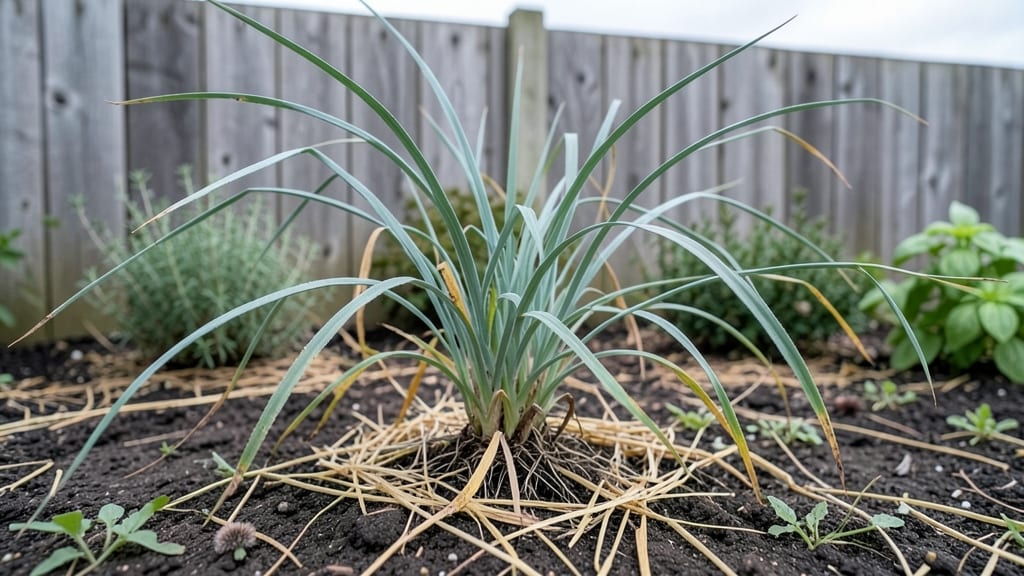
Landscaping with lemongrass plants thrives best in warm, sunny locations with well-draining soil, making them perfect for tropical or Mediterranean garden styles. These fragrant grasses deliver both visual appeal and culinary benefits while demanding little maintenance once settled.
Lemongrass isn't just a kitchen staple—it's a landscape superstar that thrives in zones 9-11 but can be grown as an annual in cooler climates. 🌿 The key is mimicking its native tropical habitat: full sun exposure (at least 6 hours daily) and soil that drains quickly to prevent root rot.
I've seen it transform ordinary garden beds into fragrant, textured focal points, especially when planted in clusters near patios or along walkways where the scent lingers naturally.
What makes lemongrass particularly versatile is its dual-purpose nature. Beyond its striking appearance, the fresh stalks are perfect for cooking—just snip what you need and let the plant keep growing. For maximum impact, pair it with other sun-loving tropicals like bird of paradise or hibiscus, which share similar watering needs.
The secret to long-term success? Mulching around the base helps retain moisture while keeping roots cool during summer's peak heat.
💡 In This Article
- Optimal Conditions for Growing Lemongrass in Landscapes
- Creative Ways to Incorporate Lemongrass in Garden Designs
Optimal conditions for growing lemongrass in landscapes
Lemongrass plants originate from tropical regions where temperatures consistently stay between 75°F and 90°F during the growing season. These grasses are highly sensitive to cold, with damage occurring below 50°F and death guaranteed under 32°F frost.
The ideal temperature range for active growth is 80-85°F, which explains why they thrive in USDA hardiness zones 9-11. In cooler climates, they function best as annuals or must be overwintered indoors where nighttime temperatures don't dip below 60°F. 🔥
The soil requirements are equally particular—lemongrass demands well-draining soil with a slightly acidic to neutral pH range of 5.5-7.0. Heavy clay soils cause root suffocation, while sandy loams provide the perfect balance of aeration and moisture retention.
A key characteristic is their intolerance for soggy conditions; even brief waterlogging triggers root rot within 48 hours. For container growing, ensure pots have drainage holes and use a mix of 60% potting soil, 30% perlite, and 10% compost to replicate ideal drainage.
Sunlight needs are non-negotiable—lemongrass requires full sun exposure (6-8 hours daily) to develop its signature fragrant oils. Insufficient light results in spindly stalks with weak citrus aroma and reduced culinary potency.
The plants' upright growth habit makes them excellent vertical accents in landscapes, where they can reach 3-5 feet tall when mature. What's fascinating is how their leaves release a stronger citrus scent on hot afternoons, peaking between 10 AM and 3 PM when temperatures hit their daily maximum. ✨
Watering presents a delicate balance—lemongrass needs 1-1.5 inches of water weekly but must never sit in standing water. The deep root system (extending 2-3 feet) means they're drought-tolerant once established, but young plants need consistent moisture to prevent stunted growth.
A useful trick is to water at the base rather than overhead, which preserves the plant's natural fragrance and prevents fungal issues. Mulching with 2-3 inches of organic matter helps maintain even soil moisture while suppressing weeds.
Common challenges include frost damage and poor drainage. In frost-prone areas, growing lemongrass in containers allows for winter relocation to protected spaces. For drainage issues, amending soil with coarse sand or coconut coir creates the necessary porosity.
The plant's rapid growth rate (1-2 feet per year) means any drainage improvements will show results within 3-4 months. What most gardeners overlook is that lemongrass actually thrives in slightly dry conditions once established—overwatering is the #1 cause of failure in landscape settings. 💫
When selecting planting locations, prioritize areas with reflected heat from walls or patios, which can extend the growing season by 2-3 weeks in transitional climates. The plant's natural ability to self-seed makes it excellent for creating fragrant ground covers when planted in 3-foot clusters.
For maximum impact, pair with drought-tolerant companions like turmeric or ginger, which share similar cultural requirements and create a cohesive tropical theme.