
Landscaping
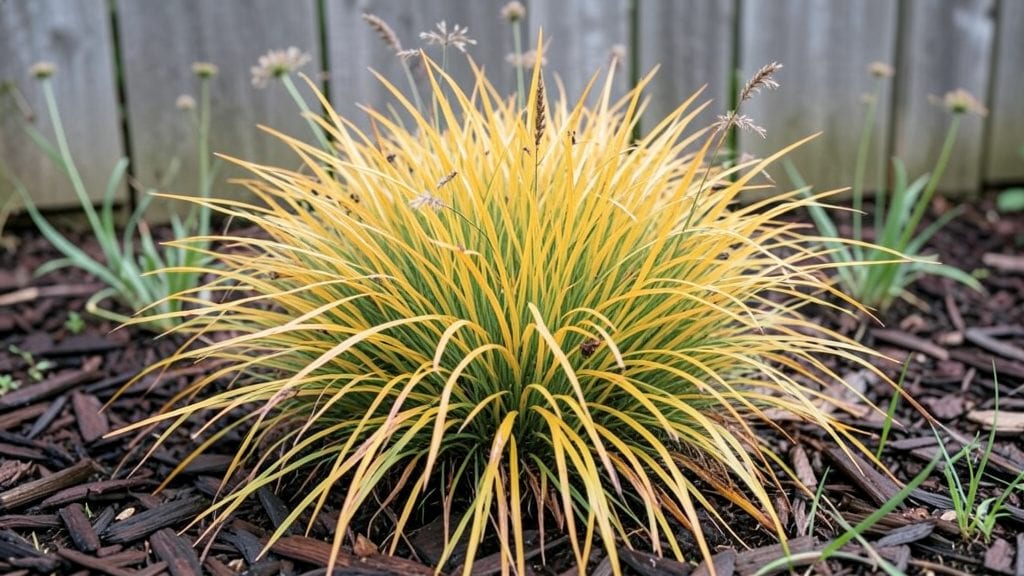
Creating a lush, year-round privacy screen starts with the right landscaping filler plants. 🌿 I learned the hard way that filling gaps with the wrong plants leaves your design looking sparse and unfinished—until I discovered the perfect mix of evergreens, deciduous shrubs, and flowering perennials that work together seamlessly.
The best filler plants do more than just fill space—they add texture, color, and seasonal interest while keeping maintenance low. Think boxwoods for structure, dwarf ferns for softness, and ornamental grasses for movement.
These plants thrive in partial shade, handle seasonal shifts, and grow at different rates to create a natural, layered look.
By the end of summer, your screen will be dense and vibrant, with foliage that transitions beautifully from spring blooms to autumn colors. The key is spacing them 12-18 inches apart at planting, which gives them room to fill in without crowding.
They’ll also attract pollinators and birds, turning your privacy screen into an ecological hotspot.
Works for any yard size—whether you’re lining a fence, framing a patio, or softening a property edge. Here’s how to pick the perfect mix for your space and climate.
📚 In This Guide
- What you need
- Instructions
- Tips and common mistakes
- Wrapping up and next steps
What you need
- ● Evergreen Shrubs (Year-Round Coverage): Boxwood (Buxus sempervirens) – 3-5 plants per 10 ft (mature height: 3-4 ft)
- ● Holly (Ilex spp.) – 2-3 plants per 10 ft (mature height: 6-12 ft)
- ● Juniper (Juniperus spp.) – 4-6 plants per 10 ft (mature height: 2-8 ft, depending on variety)
- ● Seasonal Fillers (Spring/Summer/Blooms): Hydrangea (Hydrangea macrophylla) – 1-2 per 10 ft (mature height: 3-6 ft)
- ● Abelia (Abelia grandiflora) – 2-3 per 10 ft (mature height: 3-5 ft)
- ● Dwarf Butterfly Bush (Buddleja davidii 'Nanho Blue') – 1 per 10 ft (mature height: 3-4 ft)
- ● Grasses & Ground Cover (Texture & Movement): Ornamental Grass (Miscanthus sinensis) – 1-2 per 10 ft (mature height: 4-7 ft)
- ● Creeping Thyme (Thymus serpyllum) – 1 bag (1 lb) per 10 ft for ground cover
- ● Shovel (heavy-duty, 18-24" blade) – 1
- ● Garden Trowel – 1 (for precise planting)
- ● Wheelbarrow (2-3 cubic ft) – 1 (for soil/mulch)
- ● Pruning Shears (bypass, 7-10") – 1
- ● Measuring Tape (25 ft) – 1
- ● Garden Gloves (heavy-duty) – 1 pair
- ● Water Hose with Nozzle (adjustable) – 1
- ○ Optional (but helpful!): Post-Hole Digger – 1 (if adding trellises/stakes)
- ● Soil pH Test Kit – 1 (to customize soil amendments)
- ● Knee Pads – 1 pair (for comfort)
- ● Sunlight Assessment: Full sun (6+ hrs/day), partial shade (3-6 hrs), or full shade (0-3 hrs) – Determine for your site
- ● Soil Test: Check drainage and pH (aim for 6.0-7.0; amend with compost or lime if needed)
- ● Mark Layout: Use spray paint or stakes to outline plant spacing (account for mature size!)
- ● Clear Debris: Remove weeds, rocks, or old plants from the area
- ● Amend Soil (if needed): Compost (2-3 inches mixed into topsoil)
- ● Organic Mulch (2-4 inches, e.g., pine bark or shredded leaves)
Step-by-Step guide to designing a year-round privacy screen
Here’s how to create a lush, layered screen that thrives in all seasons—no more gaps or seasonal disappointments.
🌱 Step 1: Select Fast-Growing Filler Plants for Structure
Start with evergreen shrubs like Emerald Green Arborvitae or Leyland Cypress as your backbone—they provide year-round density and act as a windbreak. These plants grow 2-3 feet annually, so you’ll see quick results. Pair them with deciduous fillers like Fothergilla or Viburnum for seasonal color and texture contrast.
Space evergreens 4-6 feet apart in the center of your planting bed, allowing room for their mature width. Deciduous plants should go 3-4 feet apart at the front and sides, where their summer foliage will soften the structure. I always sketch a rough layout first—trust me, it saves time and headaches later.
🌿 Step 2: Layer Perennials and Ground Covers for Year-Long Interest
Fill the gaps between shrubs with perennials like Hosta (for shade) or Russian Sage (for sun), which bloom in late summer when other plants fade. These plants grow 12-24 inches tall and spread 1-2 feet annually, filling in quickly. Add evergreen ground covers like Creeping Juniper or Dwarf Mondograss to suppress weeds and add texture at the base.
Plant perennials 6-12 inches apart in clusters of 3-5 to create a natural, full look. Mulch with 3 inches of shredded bark to retain moisture and regulate soil temperature—this is non-negotiable in the first year, as it reduces watering by 30%. Watch for leaf color changes in hostas or the first blooms on Russian Sage; these are your cues that the plants are establishing roots.
☀️ Step 3: Add Climbing Vines for Vertical Privacy
Train Clematis or Star Jasmine along a trellis or arbor at the edges of your screen for instant height and fragrance. These vines grow 6-12 inches per season and thrive in partial shade, perfect for filling gaps where shrubs are still maturing. Install the trellis 6-8 feet tall and 4 feet deep to ensure vines can climb without overcrowding the base plants.
Plant vines 12 inches from the trellis and 18 inches apart in the row. Water deeply once a week for the first month to encourage root growth—you’ll know they’re happy when new leaves emerge within 4-6 weeks. Prune leggy growth in early spring to keep the structure tidy and promote bushier foliage.
💧 Step 4: Water and Fertilize for Rapid Establishment
Water deeply 2-3 times per week for the first 3 months, ensuring the soil is 6-8 inches moist at all times. Use a soaker hose to avoid wetting foliage, which prevents fungal diseases like powdery mildew. Apply a slow-release fertilizer (like Osmocote) at planting and again in early summer to fuel growth—this cuts down on monthly feedings and keeps nutrients steady.
Check soil moisture by digging 2 inches deep with a finger; if it feels dry, water again. You’ll see new growth within 6-8 weeks, and by the second year, the screen will look full and lush. Avoid over-fertilizing—too much nitrogen leads to weak stems that flop in wind or snow.
✂️ Step 5: Prune and Maintain for Long-Term Privacy
Prune evergreens in late winter (before new growth starts) to shape the screen and remove dead branches. Use clean, sharp shears to make cuts just above a leaf node—this encourages bushier growth. For deciduous plants, prune after flowering to maintain their form and encourage next year’s blooms.
Mulch annually with 2-3 inches of fresh bark to protect roots in winter and retain moisture. Watch for pests like spider mites on broadleaf plants; a strong spray of water usually deters them before they become a problem. By the third year, your screen will be fully mature, providing 100% privacy and year-round beauty.
Tips & tricks for perfect year-round privacy screens
Transforming your outdoor space into a private oasis doesn't have to be a guessing game—these game-changing tips will help you create a lush, evergreen privacy screen that thrives through all seasons. Here's what nobody tells you about designing a flawless landscape barrier.
Plant Placement Precision: When spacing your Emerald Green Arborvitae or Leyland Cypress at 4-6 feet apart in Step 1, think beyond just numbers—consider their mature width. These evergreens can reach 12-15 feet wide at maturity, so leave extra room if you want to avoid future crowding. I learned this the hard way after having to prune back overgrown shrubs that blocked sunlight to neighboring plants.
Layering Like a Pro: The magic happens in Step 2 when you layer perennials and ground covers. For maximum impact, plant Hosta or Russian Sage in staggered heights—tallest in back, medium in middle, shortest in front. This creates visual depth and ensures no gaps appear when deciduous plants lose leaves in winter. The 3-inch mulch layer is non-negotiable for moisture retention, but don't pack it against stems—keep it 2 inches away to prevent rot.
Vine Training Secrets: In Step 3, when installing your 6-8 foot trellis, position it slightly angled toward the sun's path for your Clematis or Star Jasmine. This maximizes vertical growth and fragrance exposure. I've found that tying vines with soft garden twine (not wire) prevents stem damage while they establish. The 4-6 week window for new leaf emergence is your best indicator of root success—don't rush pruning before then!
Watering Wisdom: The 2-3 times weekly watering in Step 4 works wonders, but timing matters. Water in the early morning to prevent fungal diseases and allow foliage to dry before evening. For the first 6-8 weeks, check soil moisture at 2 inches deep—if it's dry, water again. Pro tip: Use a rain gauge to track your area's actual rainfall and adjust accordingly. Too much water is just as damaging as too little!
Pro Tips for Landscaping Filler Plants
- Transforming your outdoor space into a private oasis doesn't have to be a guessing game—these game-changing tips will help you create a lush, evergreen privacy screen that thrives through all seasons.
- Plant Placement Precision: When spacing your Emerald Green Arborvitae or Leyland Cypress at 4-6 feet apart in Step 1, think beyond just numbers—consider their mature width.
- Layering Like a Pro: The magic happens in Step 2 when you layer perennials and ground covers.
Frequently asked questions
Got questions about using landscaping filler plants to create a lush, year-round privacy screen? You’re not alone! Here are some of the most common concerns—and their solutions—to help you plan like a pro.
What are the best low-maintenance filler plants for fast-growing privacy screens?
For quick results with minimal upkeep, opt for Bamboo (clumping varieties), Hornbeam, or Russian Olive. These thrive in most climates, tolerate drought once established, and fill gaps faster than traditional shrubs. Pro tip: Mix heights (e.g., 3-ft and 6-ft plants) for a natural, layered look!
How long does it take for filler plants to create a solid privacy barrier?
Most filler plants reach 6-8 feet tall in 2–3 years, but faster options like Willow or Leyland Cypress can close gaps in 1–2 years with proper spacing (3–5 feet apart). Patience pays off: Prune annually to encourage bushier growth and fill gaps sooner.
Do filler plants need extra watering during the first year?
Yes!
Newly planted filler plants need deep watering 2–3 times per week for the first year to establish roots. After that, most adapt to rainfall alone. Mulch heavily (3–4 inches) to retain moisture and reduce weeds—this is a game-changer for drought-prone areas.
Can I use annuals as filler plants for quick privacy?
Annuals like Sunflower or Corn offer fast, temporary privacy (growing 6–10 feet in a season), but they die back yearly. For permanent screens, pair them with perennials (e.g., Privet or Arborvitae) for a hybrid solution. Warning: Annuals require more frequent replanting and care.
How do I troubleshoot yellowing leaves or stunted growth in my filler plants?
Yellowing leaves often signal overwatering, poor drainage, or pests. Check soil moisture (stick your finger in—it should be damp but not soggy). Pests like spider mites? Spray with neem oil. Stunted growth? Amend soil with compost and ensure 6+ hours of sunlight daily. If problems persist, test soil pH—most filler plants prefer slightly acidic (6.0–7.0).
Are there cold-hardy filler plants for northern climates?
For zones 3–5, try Hackberry, Evergreen Holly, or Sumac. These handle sub-zero temps and still provide dense foliage. Pro tip: Plant in spring or early fall to give roots time to establish before winter. Mulch in late fall for extra protection!
Wrapping up and next steps
Transforming your outdoor space into a lush, year-round privacy haven is easier than you think! By choosing the right landscaping filler plants, you can create a vibrant, low-maintenance screen that thrives in all three seasons.
Whether you’re a seasoned gardener or just starting out, the key is selecting fast-growing, resilient plants that fit your climate and style.
Ready to take the next step? Sketch a simple layout of your privacy screen, then head to your local nursery with your notes—you’ve got this! 🌿✨