
Shrubs
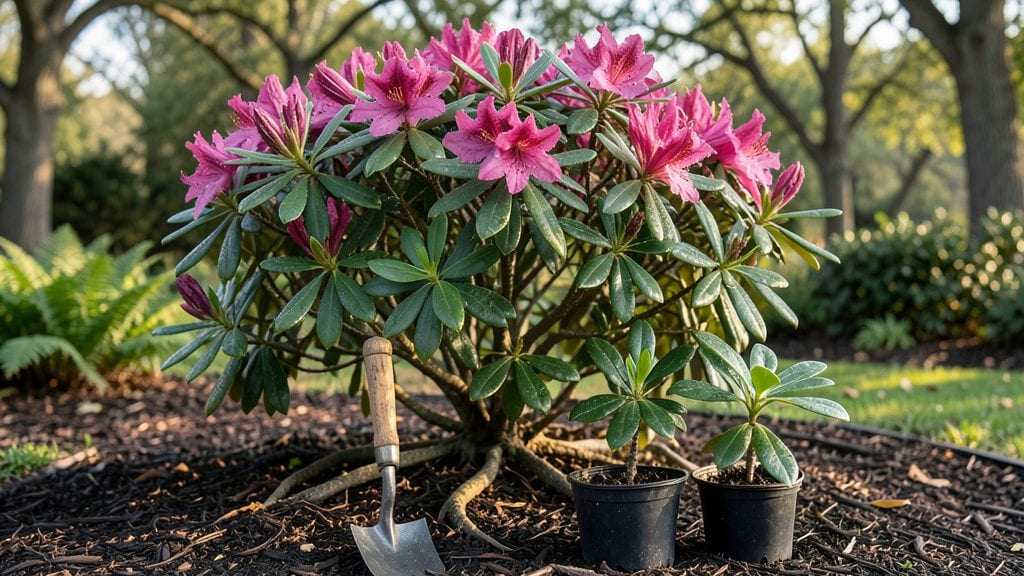
Planting evergreen bushes creates a lush, ever-present screen that blocks wind and prying eyes all year long. 🌿 I learned the hard way that skipping soil prep or spacing plants too closely leads to stunted growth—now my yard stays green and thriving even in winter.
The key is matching the right bush to your space, amending the soil properly, and giving them room to grow into their full, glossy glory.
You’ll need a sunny or partially shaded spot with well-draining soil, a shovel, gloves, and the right bushes for your climate. Boxwoods handle tight spaces beautifully, while rhododendrons need slightly acidic soil and more room to spread.
Planting depth matters—bury the root flare just above ground level—and spacing determines how quickly you’ll get that full, dense look.
After planting, water deeply to settle the soil and keep roots moist for the first few weeks. Mulch helps retain moisture and keeps weeds at bay, while regular pruning keeps your bushes shaped and healthy.
Within a year, you’ll have a vibrant, low-maintenance screen that never loses its leaves—just imagine that rich green backdrop framing your patio or garden all winter long.
This method works for hedges, borders, or even single statement bushes. Whether you’re lining a fence or adding height to a dull corner, evergreens deliver year-round structure with minimal effort. Let’s get those bushes in the ground and start enjoying that peaceful, private view.
📚 In This Guide
- What you need
- Instructions
- Tips and common mistakes
- Wrapping up and next steps
What you need
- ● Evergreen bushes: Choose 3-5 healthy, container-grown plants (size depends on desired height—smaller for 3-4 ft, larger for 6-8 ft).
- ● Shovel or spade: A digging shovel (18-24" wide) for planting holes and a transplant spade for lifting plants.
- ● Garden gloves: A pair of durable, breathable gloves to protect your hands from thorns and dirt.
- ● Measuring tape or ruler: To ensure proper spacing (typically 3-6 ft apart, depending on bush maturity).
- ● Garden hose or watering can: With a spray nozzle for gentle watering.
- ○ Mulch (optional but recommended): Shredded bark or pine straw (2-3 inches thick) to retain moisture and suppress weeds.
- ● Pruning shears: For trimming any damaged branches before or after planting.
- ● Soil amendment: Compost or peat moss (1-2 bags) if your soil is sandy or clay-heavy.
- ● Planting stakes or twine: To temporarily support tall or leggy bushes while they establish roots.
- ● Fertilizer: A slow-release, balanced fertilizer (10-10-10 or similar) to give your bushes a nutrient boost.
- ● Knee pads: For comfort if you’ll be kneeling for extended periods.
Step-by-step instructions for planting evergreen bushes
Here's my foolproof method for planting evergreens that stay lush year-round.
🌱 Step 1: Choose and Prepare the Planting Site
Pick a location with 6+ hours of sunlight daily—evergreens need full sun to maintain their vibrant color and dense growth. I always test the spot by observing how sunlight moves across the area throughout the day. Mark the planting area with stakes to outline where each bush will go, spacing them 3-6 feet apart depending on the mature size listed on the tag.
Dig holes that are twice as wide as the root ball but only as deep. This gives roots room to spread without settling too low in the soil. Loosen the soil at the bottom of each hole with a shovel or garden fork to encourage root penetration. If your soil is heavy clay, mix in a handful of compost to improve drainage.
🌿 Step 2: Remove Bushes from Containers and Plant
Gently squeeze the sides of the container to loosen the root ball before sliding the bush out. If roots are circling tightly, use your fingers to tease them outward—this prevents girdling as the plant matures. Place the bush in the hole so the top of the root ball sits 1 inch above soil level. Evergreens planted too deep suffocate and may not survive.
Backfill with the native soil, pressing lightly around the edges to remove air pockets. Water deeply until moisture seeps out the bottom of the hole, then top-dress with 2-3 inches of mulch (keeping it 6 inches away from the trunk to prevent rot). This retains moisture and regulates soil temperature, which evergreens appreciate.
☀️ Step 3: Water and Maintain for First-Year Growth
Water newly planted bushes every 2-3 days until new growth appears—this usually takes 4-6 weeks. You'll know they're established when the soil stays moist to a depth of 2 inches between waterings. Overwatering is a common mistake; evergreens prefer slightly drier conditions once established.
Fertilize lightly in early spring with a balanced 10-10-10 formula to encourage strong root development. Prune only to remove dead or damaged branches in the first year—never shape young evergreens, as this stresses them. After the first growing season, your bushes will form a dense, year-round privacy screen with minimal effort.
Tips & tricks for planting evergreen bushes
These simple tricks will help your evergreen bushes thrive from day one—no green thumb required.
Sunlight Secret: Evergreens need that 6+ hours of sunlight daily, but not all sun is created equal. Morning sun is gentler than harsh afternoon rays, so position bushes to catch morning sunlight and afternoon shade if your climate gets intense. I've seen evergreens struggle in full afternoon sun—watch for yellowing needles, which is a classic sign of too much heat.
Root Ball Rescue: When removing bushes from containers, don't just pull them out—gently squeeze the sides first to loosen the root ball. If roots are circling tightly, use your fingers to tease them outward before planting. I learned this the hard way when my first batch of bushes developed girdling after two years—now I always check roots before planting. This simple step prevents future stress and ensures healthy growth.
Planting Depth Matters: That 1 inch above soil level guideline is crucial—evergreens planted too deep suffocate because their roots can't breathe properly. After planting, press the soil gently around the base to secure the bush, but don't compact it too much. Think of it like tucking a sleeping bag around a camper—just enough to keep them cozy, not so tight they can't move.
Mulch Magic: That 2-3 inches of mulch isn't just for looks—it regulates soil temperature and retains moisture. Keep it 6 inches away from the trunk to prevent rot, and use organic mulch like wood chips or shredded bark. I've found that mulching right after planting creates a microclimate that helps young roots establish faster, especially in hot or cold climates.
Pro Tips for Planting Evergreen Bushes
- These simple tricks will help your evergreen bushes thrive from day one—no green thumb required.
- Sunlight Secret: Evergreens need that 6+ hours of sunlight daily, but not all sun is created equal.
- Root Ball Rescue: When removing bushes from containers, don't just pull them out—gently squeeze the sides first to loosen the root ball.
Frequently asked questions
Got questions about planting evergreen bushes? You’re not alone—these hardy plants offer year-round beauty but come with a few key considerations. Here are answers to the most common queries to help you get started with confidence!
When is the best time to plant evergreen bushes?
The ideal window is early spring or fall (4–6 weeks before the first frost). Planting in spring lets roots establish before summer heat, while fall gives them time to settle before winter dormancy. Avoid extreme heat or cold—evergreens hate stress!
How far apart should I space evergreen bushes for a privacy screen?
Spacing depends on the mature size of your bushes. For compact varieties (3–5 ft tall), plant 3–4 feet apart. For taller screens (6–10 ft), space them 5–8 feet apart. Check the plant tag for exact growth projections—crowding leads to poor airflow and disease.
How often should I water newly planted evergreen bushes?
Water deeply 2–3 times per week for the first month, then taper to once a week (or more in extreme heat). Evergreens have shallow roots, so mulch around the base to retain moisture. Overwatering is worse than underwatering—let the top 1–2 inches of soil dry out between waterings.
Why are my evergreen bushes turning brown after planting?
Brown needles or tips often signal transplant shock, drought, or winter burn. Check soil moisture first—evergreens need consistent hydration. If planted in late fall/winter, protect them with burlap or anti-desiccant spray. Avoid fertilizing new plants until they’ve rooted (6–8 weeks).
Can I plant evergreen bushes in full shade?
Most evergreens thrive in partial shade (3–6 hours of sun daily), but full shade can weaken growth. Opt for shade-tolerant varieties like Inkberry Holly or Dwarf Alberta Spruce. If your site is dark, amend soil with compost and monitor for pests—shady conditions attract fungal issues.
What’s a good alternative if evergreen bushes are too expensive?
Consider deciduous shrubs like Privet or Forsythia (fast-growing and budget-friendly) or ornamental grasses (e.g., Miscanthus) for texture. For year-round structure, mix evergreens with boxwoods or arborvitae—they’re pricier but offer longevity.
Wrapping up and next steps
Planting evergreen bushes is a game-changer for adding year-round beauty, privacy, and curb appeal to your landscape! 🌲 With the right location, soil prep, and care, you’ll enjoy lush greenery that thrives in every season.
Whether you’re a beginner or a seasoned gardener, these simple steps make it easy to create a stunning, low-maintenance privacy screen.
Now that you’re ready to dive in, take the next step—mark your planting spots, gather your tools, and start digging! Your future shady retreat (or windbreak) is just a few hours away. Happy planting! 🌱