
Companion Plants
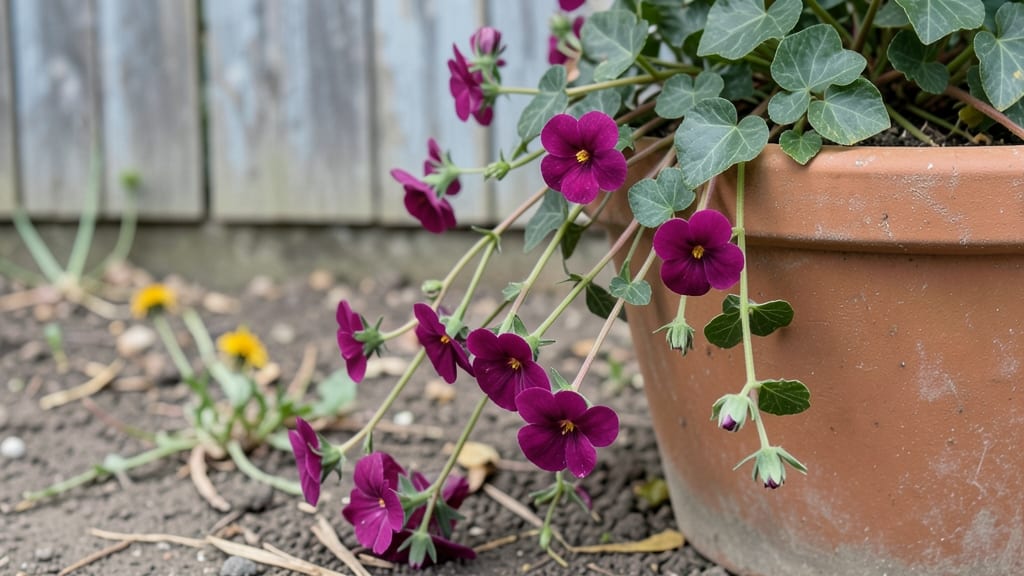
The jungle geranium plants bring that tropical punch of fragrance and color to patios, containers, and shady corners where regular geraniums would wilt. 🌿 I fell for them after my first whiff of their lemony, minty, or rose-scented leaves—it’s like walking through a secret garden every time I brush past them.
These aren’t your grandma’s geraniums; they thrive in partial shade, resist scorching sun, and bloom reliably when most other plants take a summer break.
Here’s the thing—jungle geraniums demand rich, well-draining soil (think: 60% potting mix, 30% perlite, 10% compost) and consistent moisture without soggy roots. I’ve killed three by overwatering, so let the top inch dry out between drinks.
They love humidity too, making them perfect for porches, balconies, or under trees where other plants struggle. In warmer climates (zones 9-11), they’re year-round stars; elsewhere, treat them as tender perennials or overwinter indoors near a bright window.
By midsummer, you’ll be rewarded with clusters of vibrant pink, red, or white blooms that never quit—even when temps hit 90°F. The real magic? Their leaves release that intoxicating scent when crushed, turning pruning into a sensory experience.
And because they’re disease-resistant, you’ll spend less time spraying chemicals and more time admiring them. Let’s get yours thriving—whether you’re a beginner or just tired of geraniums that fade in the heat.
Pro tip: Propagate from stem cuttings in water—it’s foolproof and lets you share plants with friends. Just snap a 3-4 inch stem, strip the lower leaves, and watch roots form in 2-3 weeks. No green thumb required. Now, which scent will you choose—lemon, mint, or rose?
📚 In This Guide
- What you need
- Instructions
- Tips and common mistakes
- Wrapping up and next steps
What you need
- ● Jungle geranium plants: 3–5 healthy nursery-grown plants (choose fragrant varieties like Pelargonium graveolens or P. tomentosum)
- ● Well-draining potting mix: 10–15 gallons (for containers) or amend garden soil with 30% perlite or sand (to prevent root rot)
- ○ Containers (optional but recommended): 5–7-inch pots (1 plant per pot) or a hanging basket (for trailing varieties)
- ● Drainage holes mandatory for pots!
- ● Slow-release fertilizer: 10–20-10 NPK blend (1 tbsp per plant at planting time)
- ● Mulch: 1–2 inches of organic mulch (e.g., pine bark or cocoa hulls) to retain moisture
- ● Garden trowel or small shovel (for transplanting)
- ● Watering can or hose with gentle spray nozzle
- ● Pruning shears (sterilized with rubbing alcohol)
- ○ Glove (optional—jungle geraniums are non-toxic but may irritate sensitive skin)
- ● Support stakes or trellis (for tall varieties like Pelargonium cucullatum)
- ● A sunny spot with 4–6 hours of direct light daily (partial shade in hot climates)
- ● Moderate to high humidity (ideal for jungle geraniums; mist leaves occasionally if indoors)
- ● Consistent watering schedule (keep soil evenly moist but not soggy)
Step-by-Step instructions for cultivating jungle geranium plants
Here's how to coax vibrant, fragrant jungle geraniums into thriving plants that reward you with lush foliage and bold blooms.
🌱 Step 1: Select Healthy Starts and Prepare Containers
Choose sturdy, 4-inch nursery geraniums with vibrant green leaves and no visible damage. Jungle geraniums thrive in 6-inch pots or larger—their sprawling habit demands space. I use terracotta containers because they wick moisture away, preventing the root rot these tropical beauties dread.
Fill the bottom 1 inch of each pot with a fast-draining mix (I blend equal parts perlite and coarse sand). This creates a drainage layer that mimics their native rocky soil. Add a handful of slow-release fertilizer to the bottom—jungle geraniums are heavy feeders and will reward you with continuous blooms.
💧 Step 2: Plant and Establish Proper Watering Routine
Gently remove the geranium from its nursery pot and tease the roots if they're circling. Position it so the top of the root ball sits ½ inch below the pot rim—this prevents soil from splashing onto leaves during watering. Backfill with fresh well-draining potting mix until the pot is full, pressing lightly to eliminate air pockets.
Water immediately after planting until water runs freely from the drainage holes. Jungle geraniums hate soggy roots but demand consistent moisture—aim to keep the soil evenly damp (not wet). I check moisture by sticking my finger 1 inch deep—if it feels dry, it's time to water. Mist the leaves occasionally to maintain humidity, especially in dry climates.
☀️ Step 3: Position for Bright, Indirect Light
Place your geraniums where they'll receive bright, indirect light for 4-6 hours daily. A east-facing window or 6 feet from a south window works perfectly. These plants tolerate morning sun but will scorch if exposed to harsh afternoon rays—you'll spot damage as crispy leaf edges or bleached patches.
Rotate pots quarter-turn weekly so all sides receive equal light. You'll notice new growth emerging toward the light—this is your cue to adjust placement. In low-light conditions, supplement with a grow light positioned 12 inches above for 12 hours daily. Leggy growth signals insufficient light.
✂️ Step 4: Prune and Encourage Bushy Growth
Pinch back the tips of new growth when stems reach 4-6 inches tall to trigger bushier development. Use clean, sharp scissors to snip just above a leaf node—this redirects energy to lateral branches. Deadhead spent blooms regularly by cutting stems back to the nearest leaf pair. I do this every 2 weeks to maintain continuous flowering.
If your geraniums become leggy, cut back overgrown stems by ⅓ their length in early spring. This rejuvenates the plant and encourages fresh, compact growth. Avoid heavy pruning in fall—you'll stunt next year's blooms. Always sterilize your tools with rubbing alcohol between cuts to prevent disease transmission.
🌿 Step 5: Fertilize and Overwinter Successfully
Feed every 4-6 weeks during the growing season with a balanced liquid fertilizer (10-10-10). I dilute it to half-strength to prevent salt buildup, which jungle geraniums are particularly sensitive to. Flush the soil with water after each feeding to remove excess salts. Reduce feeding in fall and winter—these plants enter a semi-dormant state.
For overwintering, move pots to a cool (55-65°F), bright location and reduce watering to every 10-14 days. Check soil moisture before watering—overwatering in winter is the #1 killer. Resume regular care in spring when new growth appears. With proper winter care, your jungle geraniums will return stronger and more prolific each year.
Tips & tricks for perfect jungle geranium cultivation
A few strategic moves will transform your jungle geraniums from mere survivors to showstopping plants that reward you with bold blooms year after year.
Container Selection Wisdom: While terracotta is ideal for moisture regulation, don't overlook the benefits of plastic pots in colder climates. They retain warmth better during chilly nights, which jungle geraniums appreciate. Just ensure they have drainage holes—no exceptions! If repurposing containers, always sanitize them with a 10% bleach solution before planting to prevent disease transmission from previous occupants.
Light Positioning Secret: The 4-6 hours of bright, indirect light specified isn't just about quantity—it's about quality. I've found that positioning plants slightly closer to the window (about 3 feet instead of 6) during their first 2 weeks helps them establish stronger root systems faster. After that initial period, move them back to maintain that perfect balance between growth and scorch prevention.
Pruning Precision: When pinching back those 4-6 inch stems in Step 4, look for the first set of leaves below the growing tip—this is your target cutting point. The reason? This redirects energy to the lower leaf nodes, which become your new growth points. I've seen plants that went from sparse to bushy in just 6 weeks after implementing this exact technique. And always use sterilized tools—rusty scissors can introduce bacterial infections that spread like wildfire.
Fertilizer Application Strategy: The 4-6 week feeding schedule works beautifully, but here's the pro move: alternate between your balanced liquid fertilizer and a fish emulsion every other feeding. The fish emulsion provides micronutrients these tropical plants crave, while the balanced fertilizer maintains consistent growth. Just remember to flush the soil after each feeding—jungle geraniums are particularly sensitive to salt buildup that can occur from regular fertilization.
Pro Tips for Jungle Geranium Plants
- A few strategic moves will transform your jungle geraniums from mere survivors to showstopping plants that reward you with bold blooms year after year.
- Container Selection Wisdom: While terracotta is ideal for moisture regulation, don't overlook the benefits of plastic pots in colder climates.
- Light Positioning Secret: The 4-6 hours of bright, indirect light specified isn't just about quantity—it's about quality.
Frequently asked questions
Got questions about jungle geraniums?
You’re not alone! These fragrant, sun-loving plants are stunning, but they do have some quirks. Here are answers to the most common queries—so you can grow them with confidence.
How do I keep jungle geraniums blooming all year?
Jungle geraniums thrive in consistent warmth (60–85°F) and bright, indirect light. Prune spent blooms regularly to encourage new flowers, and fertilize lightly every 4–6 weeks with a balanced, water-soluble fertilizer. Pro tip: If blooms slow in winter, supplement with a grow light for 12–14 hours a day!
Why are my jungle geranium leaves turning yellow?
Yellowing leaves usually signal overwatering or poor drainage. Let the top inch of soil dry out between waterings, and ensure pots have drainage holes. Check for root rot too—if the roots smell foul or look mushy, repot in fresh, well-draining soil. Brown edges? That’s often dry air; mist leaves occasionally or use a humidity tray.
Can jungle geraniums grow in full sun?
While they tolerate morning sun, afternoon direct sun can scorch their delicate leaves. Place them near a south- or west-facing window (with sheer curtains) or under 60% shade cloth outdoors. In hot climates, opt for dappled shade to keep them lush and blooming.
Are jungle geraniums toxic to pets?
Yes, they’re toxic to cats and dogs if ingested, thanks to geraniol in their leaves. Keep them out of reach or choose pet-safe alternatives like African violets or spider plants. Watch for symptoms like drooling, vomiting, or lethargy—contact your vet if you suspect poisoning.
What’s the best alternative if I want a fragrant, low-maintenance plant?
Try pelargoniums (scented geraniums)—they’re hardy, drought-tolerant, and come in citrus, rose, or coconut scents! Other fragrant picks:
- Lemon thyme (edible + aromatic)
- Stevia (sweet-scented leaves)
- Jasmine (night-blooming fragrance)
Wrapping up and next steps
Growing jungle geranium plants is a rewarding way to add vibrant, fragrant blooms to your garden while keeping maintenance simple! 🌿 Their sun-resistant nature and year-round color make them a standout choice for any outdoor space.
Whether you're a seasoned gardener or just starting out, these hardy plants offer beauty with minimal fuss—so roll up your sleeves and enjoy the process.
Ready to dive in? Start by selecting your favorite Pelargonium varieties and follow the steps above to create a thriving jungle geranium display. Happy planting! 🌸