
Pruning
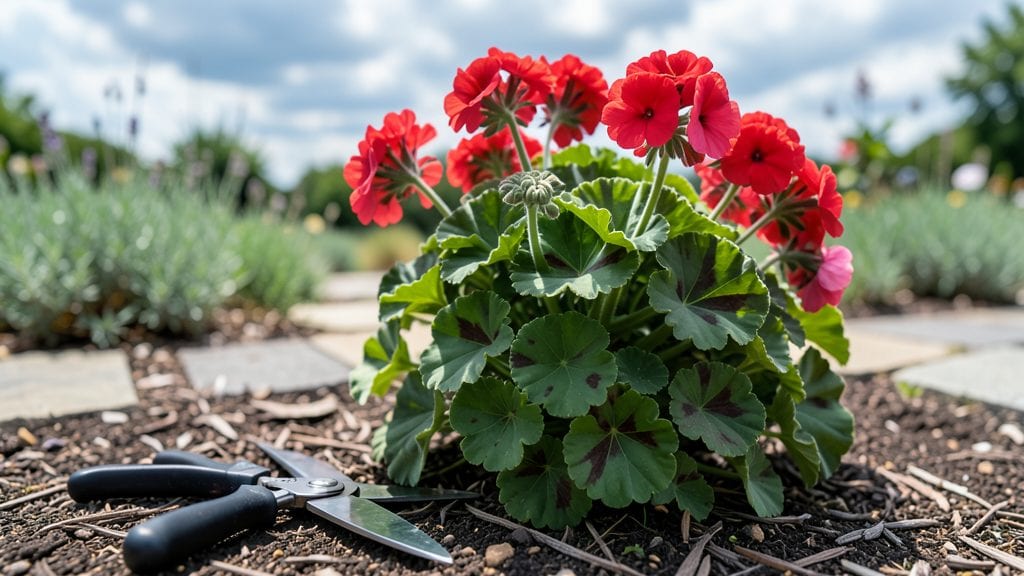
Pruning geranium plants keeps them blooming like they just got a spa day. 🌸 I’ve turned my once-lanky geraniums into bushy, flower-covered powerhouses by mastering three simple trims—each timed to refresh the plant without stressing it.
The key isn’t cutting back randomly; it’s working with the plant’s natural rhythm to encourage new growth where you want it.
You’ll need just three tools: sharp bypass pruners, clean scissors, and a small brush to sweep away debris. The real magic happens in timing—after the first flush of flowers fades, mid-summer for a second prune, and a light trim in early spring to shape before new growth starts.
Most people overlook the mid-season refresh, which is when geraniums really bulk up.
By the end of summer, your plants will be packed with vibrant blooms and thick, healthy stems. The secret is cutting just above a leaf node at a 45-degree angle to encourage water runoff, so no rot happens.
Leggy plants? No problem—prune back by half to force bushier growth from the base. It’s like hitting a plant reset button.
This method works for both patio geraniums and those growing in garden beds. The only rule is consistency—skip a trim, and you’ll end up with straggly stems and fewer flowers. Once you see how quickly they bounce back, you’ll never let them go unpruned again.
📚 In This Guide
- What you need
- Instructions
- Tips and common mistakes
- Wrapping up and next steps
What you need
- ● Sharp bypass pruners – 1 pair (sterilized with rubbing alcohol or bleach solution to prevent disease spread).
- ● Clean, sharp garden shears – 1 pair (for larger stems or thick growth).
- ● Disposable gloves – 1 pair (to protect hands from thorns and sap).
- ● Rubbing alcohol (70% or higher) – Small bottle (for sterilizing tools between cuts).
- ○ Pruning saw (optional) – 1 (for stubborn, woody stems).
- ● Compost bin or bag – 1 (for collecting pruned debris).
- ● Plant food or fertilizer – Balanced 10-10-10 or bloom booster (to reward your geraniums post-prune!).
- ● Mulch – Organic (e.g., straw or shredded bark) (to retain moisture and protect roots).
- ● Spray bottle with water – Small (to mist cuts if pruning in hot/dry conditions).
- ● Notebook & pen – 1 (to track pruning dates and plant responses).
Step-by-Step guide to pruning geraniums for nonstop color
Three simple cuts keep your geraniums lush and blooming all season long.
✂️ Step 1: Early Spring Cleanup (Late February to March)
Start by removing any dead or damaged stems from last season—just pinch them off at the base. I always use clean, sharp pruners to avoid tearing the plant. Look for brown or mushy stems that feel soft to the touch; these won’t recover. Once you’ve cleared the dead growth, you’ll see fresh green stems waiting to grow.
Next, cut back the remaining stems by about one-third of their height. This encourages new, bushier growth. I like to make cuts just above a leaf node or set of leaves—this is where new branches will sprout. If your geraniums look leggy, cut them back even more aggressively. After pruning, place the plants in a spot with bright, indirect light for a few days to recover before moving them into full sun.
✂️ Step 2: Mid-Season Maintenance (June to July)
This is the time to shape your geraniums and keep them producing flowers. Every 2-3 weeks, trim back any stems that have finished blooming or look overgrown. Cut just above a set of leaves or a leaf node to encourage branching. I usually remove one-third of the oldest growth at a time—this prevents shocking the plant and keeps it blooming steadily.
Watch for stems that grow too long and become bare at the bottom. These are called "leggy" stems, and they won’t produce many flowers. Snip them off at the base. After pruning, give your geraniums a light watering to help them recover. You’ll notice new buds forming within 1-2 weeks—that’s your reward for keeping up with the trims!
✂️ Step 3: Late Summer to Early Fall Renewal (August to September)
As summer winds down, geraniums often slow their blooming. To keep them going strong, give them a final pruning in late summer. Cut back all the stems by about half their height—this removes old growth and stimulates one last flush of flowers before winter. I like to do this in early September so the plant has time to recover before cooler weather sets in.
After pruning, reduce watering slightly since the plant is entering a slower growth phase. Place your geraniums in a spot with morning sun and afternoon shade to prevent stress. You’ll see new growth and flowers within 3-4 weeks, giving you a late-season burst of color. This final trim also helps harden the plant for winter, making it stronger for next year.
⏰ Step 4: Winter Prep (October to November)
If you’re growing geraniums in colder climates, bring them indoors before the first frost. Trim back any remaining dead or weak stems, but leave the healthy growth intact. I usually cut stems back by one-third to make the plant easier to manage indoors. Place them in a bright, cool spot with temperatures between 40-50°F and minimal watering—just enough to keep the soil slightly moist.
This is also a great time to divide your geraniums if they’ve outgrown their pots. Gently separate the stems, making sure each division has a few leaves and roots. Repot them in fresh potting mix and keep them in a bright spot until spring. You’ll have fresh, vigorous plants ready to bloom again next year!
Tips & tricks for pruning geraniums like a pro
Here's what nobody tells you about keeping your geraniums blooming beautifully all year—these tricks will make all the difference.
Tool Tip: Always use clean, sharp pruners—dull blades crush stems instead of cutting cleanly, which invites disease. I sterilize my pruners with rubbing alcohol between plants to prevent spreading any potential pathogens. For larger branches, I use a small hand saw, but I always make clean cuts just above a leaf node. This prevents tearing and encourages healthy regrowth.
Timing Secret: The 2-3 week schedule in Step 2 is key—don't skip it! I set calendar reminders because geraniums respond best to consistent maintenance. If you notice leggy stems between maintenance sessions, trim them immediately rather than waiting. These stems won't produce flowers and can make your plant look unkempt. Think of it like giving your geraniums a haircut every few weeks!
Leaf Node Location: When making cuts, aim for just above where leaves meet the stem (the leaf node). This is where new branches will grow. I like to count up from the base—usually the 3rd or 4th node from the bottom is perfect for creating bushy growth. If you cut too close to a node, you might end up with bare stems. And remember, the more nodes you preserve, the more potential flowering sites your plant will have!
Winter Prep Strategy: For indoor wintering, I move my geraniums to a south-facing window where they'll get plenty of natural light. The 40-50°F range is crucial—too warm and they'll grow leggy, too cold and they'll go dormant. I also reduce watering to about once every 10-14 days, just enough to keep the soil slightly moist. This mimics their natural winter rest period while keeping them alive for next season.
Pro Tips for Pruning Geranium Plants
- Here's what nobody tells you about keeping your geraniums blooming beautifully all year—these tricks will make all the difference.
- Tool Tip: Always use clean, sharp pruners—dull blades crush stems instead of cutting cleanly, which invites disease.
- Timing Secret: The 2-3 week schedule in Step 2 is key—don't skip it!
Frequently asked questions
Got questions about keeping your geraniums lush and blooming? Here are answers to the most common ones—so you can prune like a pro!
When is the best time to prune geraniums for maximum blooms?
Prune geraniums three times a year: early spring (to encourage new growth), mid-summer (after the first flush of blooms), and late summer/fall (to shape and prep for winter). Avoid pruning during frost or extreme heat—wait for mild, dry weather!
How much should I cut back geraniums during each pruning?
For spring pruning, trim back leggy stems by ⅓ to promote bushiness. In summer, snip spent blooms (deadheading) and cut back by ⅕ to encourage more flowers. In fall, reduce stems by ½ but leave 2–3 inches of growth to protect the plant.
What if I prune too late in the season?
Pruning geraniums too late (after the first frost) can stunt growth or kill tender stems. If you miss the fall trim, wait until early spring—just avoid heavy cuts until temperatures stay above 50°F (10°C) consistently. Overwintered plants may need less pruning the next year!
Can I propagate geraniums from pruned cuttings?
Use 4–6 inch cuttings from healthy stems (just below a leaf node). Remove lower leaves, dip in rooting hormone (optional), and plant in moist potting mix. Keep in bright, indirect light until roots form (4–6 weeks). Pro tip: Use a clear plastic bag to retain humidity!
Why are my geraniums dying after pruning?
Wilting or yellowing after pruning often signals over-pruning or stress. Ensure you’re not cutting into woody stems—always leave some green growth. Also, water deeply after pruning and avoid fertilizing for 2 weeks. If pests (like spider mites) appear, treat with neem oil.
Wrapping up and next steps
Pruning your geraniums isn’t just about keeping them tidy—it’s the secret to vibrant, long-lasting blooms and healthier plants year-round! 🌸 With just three key trims (spring, summer, and fall), you’ll encourage bushier growth, prevent legginess, and enjoy a nonstop floral show.
Remember, confidence comes with practice, so don’t hesitate—grab those shears and get pruning!
Ready to take your geranium game to the next level? Start with one plant this weekend, follow the steps above, and watch your garden transform. Happy pruning—and happy blooming! 🌿✨