
Companion Plants
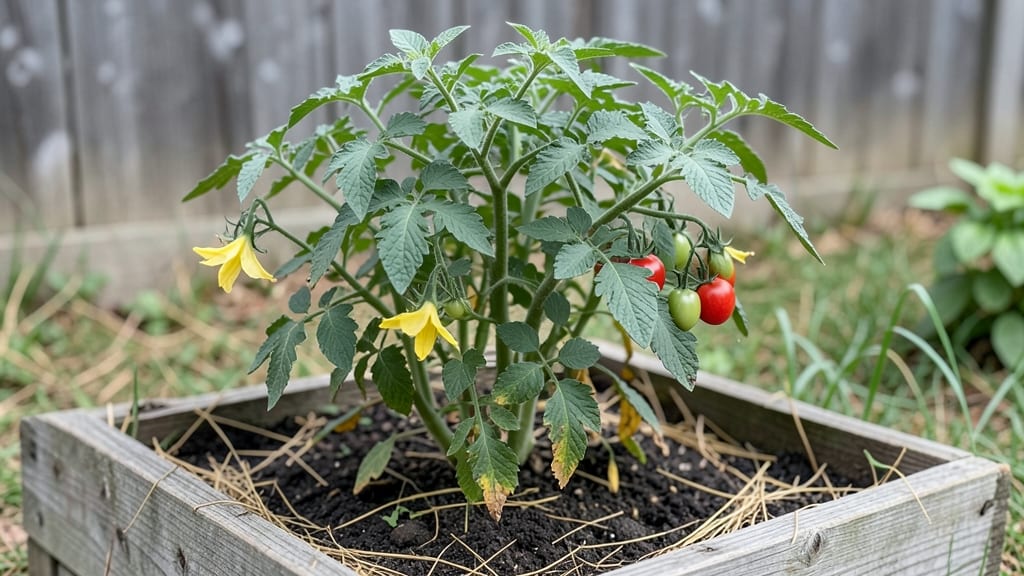
Growing Jersey tomato plants changed how I think about summer harvests—these compact, flavor-packed varieties deliver consistent yields even in small spaces. 🌱 The secret isn't just their dwarf size, but how they respond to the right neighbors in the garden.
I've grown them in containers on my balcony and in-ground plots, and the flavor difference between well-paired plants and lonely tomatoes is shocking.
These tomatoes thrive in full sun (6-8 hours daily) and well-draining soil with a pH between 6.0-6.8. Start seeds indoors 6-8 weeks before your last frost, or buy sturdy transplants. The key to their success is spacing—18-24 inches apart—so they get airflow and light.
My mistake early on was crowding them, which led to more pests and diseases. A balanced fertilizer (10-10-10) at planting and a side-dressing of compost mid-season keeps them producing until frost.
What you'll love most is how they pair with other plants. Basil next to them repels pests, while marigolds deter nematodes. The result? Vibrant green foliage, heavy clusters of tomatoes, and a garden that feels like a well-oiled machine.
Even in containers, they'll give you pounds of fruit if you keep them pruned and supported. The flavor—sweet, meaty, and complex—makes every bite worth the effort.
Whether you're working with a raised bed, containers, or in-ground rows, Jersey tomatoes adapt beautifully. They're perfect for urban gardeners, small-space growers, or anyone tired of bland store-bought tomatoes. Let's get those plants thriving with the right companions by their side!
📚 In This Guide
- What you need
- Instructions
- Tips and common mistakes
- Wrapping up and next steps
What you need
- ● Jersey tomato seeds or seedlings: 3–5 plants (choose disease-resistant varieties like 'Jersey Devil' or 'Jersey Gold').
- ● Companion plants: Basil (1–2 plants per tomato)
- ● Marigolds (3–5 plants to deter pests)
- ● Onions or garlic (2–3 plants to repel insects)
- ● Carrots (1–2 plants to improve soil structure)
- ● Containers or garden space: Large pots (5+ gallons each) or
- ● Well-draining garden bed (6+ inches deep)
- ● Potting mix: High-quality, organic soil with perlite (for containers) or compost-amended garden soil.
- ● Fertilizer: Balanced organic fertilizer (10-10-10) or compost tea.
- ● Stakes or cages: 3–4 ft tall (to support tomato growth).
- ● Watering can or hose: With a gentle spray nozzle.
- ● Mulch: Straw or shredded leaves (to retain moisture).
- ● Drip irrigation system (for consistent moisture).
- ● Neem oil or insecticidal soap (for pest control).
- ● Garden twine (to secure stakes).
- ● pH test kit (to monitor soil acidity, ideal: 6.0–6.8).
- ● Row covers (for early-season frost protection).
Step-by-Step guide to planting and maintaining Jersey tomato plants
Here's how to cultivate robust Jersey tomato plants that produce abundant, flavorful fruit all season.
🌱 Step 1: Select and Prepare the Planting Site
Jersey tomato plants thrive in full sun, so choose a location that receives at least 6-8 hours of direct sunlight daily. Avoid planting where tomatoes, peppers, or eggplants grew last season to prevent soil-borne diseases from carrying over. If your soil drains poorly, amend it with 2-3 inches of compost mixed into the top 12 inches of soil.
Test the soil pH—Jersey tomatoes prefer a slightly acidic to neutral range of 6.0-6.8. If your soil is too alkaline, add sulfur or peat moss to lower the pH gradually. Work the amendments into the soil 2-3 weeks before planting to allow microbes to break them down.
🪴 Step 2: Plant Transplants at the Right Depth and Spacing
Dig holes slightly deeper than the root ball of your Jersey tomato transplants to encourage strong root growth. Space plants 18-24 inches apart in rows 3-4 feet apart to allow for airflow and easy harvesting. If you're using cages or stakes, install them now—driving them in later risks damaging roots.
Remove the transplant from its container and gently loosen the roots if they’re circling. Place the plant in the hole so the top of the root ball sits just below soil level—burying the stem too deeply can cause rot, while planting too shallowly weakens the plant. Backfill with soil and firm it lightly around the base.
💧 Step 3: Water Deeply and Mulch for Retention
Water the newly planted Jersey tomatoes deeply—about 1-2 gallons per plant—to settle the soil and eliminate air pockets. Avoid wetting the foliage, as this encourages fungal diseases like early blight. Water early in the morning so leaves dry quickly during the day.
Apply a 2-3 inch layer of organic mulch, such as straw or shredded leaves, around each plant but keep it a few inches away from the stem. Mulch conserves moisture, suppresses weeds, and regulates soil temperature. Replenish mulch as it breaks down, especially during hot, dry spells.
☀️ Step 4: Provide Support and Fertilize for Vigorous Growth
As Jersey tomato plants grow, they’ll need strong support to prevent sprawling and disease. Use stakes, cages, or trellises—whichever matches your garden style. Tie the main stem to the support with soft plant ties every 12-18 inches as it grows. Prune suckers (the small shoots that form in the leaf axils) regularly to direct energy to fruit production.
Feed plants with a balanced, slow-release fertilizer (like 10-10-10) 2-3 weeks after transplanting, then switch to a low-nitrogen, high-phosphorus formula (like 5-10-10) when flowers appear. Side-dress with compost tea every 4-6 weeks for a nutrient boost without burning roots.
✂️ Step 5: Monitor and Maintain for Peak Harvest
Watch for early signs of pests or disease, such as yellowing leaves (often a sign of overwatering or nutrient deficiency) or chewed foliage (likely from hornworms or aphids). Spray affected areas with neem oil or insecticidal soap at the first sign of trouble. Remove and destroy any diseased leaves immediately to prevent spread.
Harvest Jersey tomatoes when they’re fully colored and slightly soft to the touch—usually 70-80 days after transplanting. Pick regularly to encourage more production. If frost threatens before the season ends, harvest green tomatoes and ripen them indoors in a paper bag with a banana to speed up the process.
Tips & tricks for perfect Jersey tomato plants
A few key strategies will help you maximize your Jersey tomato harvest and avoid common pitfalls that can derail even the most promising plants.
The Sunlight Secret: While 6-8 hours of direct sunlight is the minimum, I’ve found that Jersey tomatoes actually thrive with even more—up to 10 hours when possible. The extra light boosts fruit production and sweetness. If your garden gets afternoon shade, consider using reflective mulch or positioning taller plants to the north to bounce more light onto your tomatoes.
Root Development Hack: When planting in Step 2, I always make the holes about 20% wider than the root ball. This creates space for roots to expand without competition, and I add a handful of compost directly into the hole before placing the plant. The slightly deeper planting (just below soil level) encourages stronger root growth downward while preventing stem rot.
Watering Wisdom: That 1-2 gallon deep watering in Step 3 is non-negotiable, but timing matters just as much. I’ve learned the hard way that watering in the evening can lead to fungal issues. Instead, water at dawn so the foliage has all day to dry completely. For containers, I even add a moisture meter to ensure the top 2 inches of soil stay dry between waterings.
Companion Planting Strategy: The instructions mention avoiding nightshades, but I’ve found that strategic companions make all the difference. Planting basil nearby deters pests while improving flavor, and marigolds act as natural pest repellents. I also interplant with onions or garlic—their strong scent confuses tomato hornworms. Just keep them at least 12 inches away to prevent competition.
Pro Tips for Jersey Tomato Plants
- A few key strategies will help you maximize your Jersey tomato harvest and avoid common pitfalls that can derail even the most promising plants.
- The Sunlight Secret: While 6-8 hours of direct sunlight is the minimum, I’ve found that Jersey tomatoes actually thrive with even more—up to 10 hours when possible.
- Root Development Hack: When planting in Step 2, I always make the holes about 20% wider than the root ball.
Frequently asked questions
Got questions about growing Jersey tomato plants? You’re not alone!
Here are answers to the most common queries—whether you're a first-time gardener or a seasoned green thumb looking to optimize your harvest.
How long does it take for Jersey tomato plants to produce fruit?
Jersey tomatoes typically start flowering 6-8 weeks after transplanting (or 8-10 weeks from seed). With ideal conditions—full sun, consistent water, and warm soil—they’ll bear fruit 70-85 days after germination. Patience pays off, but you can speed things up by using heat-loving companion plants like basil or marigolds to deter pests and boost growth.
Can I grow Jersey tomatoes in containers, and what size pot do I need?
Jersey tomatoes thrive in containers as long as the pot is at least 5 gallons (bigger is better for bush varieties). Use a well-draining mix with compost, and add a cage or trellis to support vines. Place pots in a sunny spot (6+ hours of light daily) and water deeply when the top inch of soil feels dry. Pro tip: Add a handful of worm castings at planting to give them a nutrient boost!
What pests or diseases should I watch for with Jersey tomatoes?
Jersey tomatoes are prone to aphids, hornworms, and fungal issues like blight. Companion plants like basil, garlic, or nasturtiums can help repel pests naturally. For diseases, rotate crops yearly and avoid overhead watering. If you spot yellow leaves or spots, prune affected areas immediately and treat with neem oil or copper fungicide. Good airflow (via pruning) reduces humidity, keeping plants healthier!
Are Jersey tomatoes better than regular tomatoes for cooking or eating fresh?
Jersey tomatoes are sweeter, meatier, and less acidic than many hybrid varieties, making them perfect for fresh eating, salads, and sauces. Their thick walls hold up well to slicing, and their rich flavor shines in caprese salads, bruschetta, or roasted dishes. For cooking, they’re ideal for low-acid recipes (like salsas or gazpacho) where you want a balanced, vibrant taste.
What’s the best companion plant to pair with Jersey tomatoes?
Jersey tomatoes love basil (improves flavor!), marigolds (repels pests), onions (deters aphids), and carrots (loosens soil). Avoid planting them near brassicas (like cabbage) or corn, as they compete for nutrients. For a low-maintenance trio, try tomatoes + basil + borage—borage even attracts pollinators! Rotate companions yearly to prevent soil depletion.
Wrapping up and next steps
Growing jersey tomato plants year-round isn’t just possible—it’s rewarding when you harness the power of companion planting! 🌱 From basil and marigolds to onions and lettuce, the right neighbors boost flavor, deter pests, and maximize your harvest. With smart planning, you’ll enjoy juicy, homegrown tomatoes any season.
Ready to take the next step? Start small—pick 1-2 companion plants to pair with your first jersey tomato batch, and watch your garden thrive! Whether you’re a beginner or a seasoned grower, every plant you nurture brings you closer to a bountiful, delicious harvest.