
Pests and Diseases
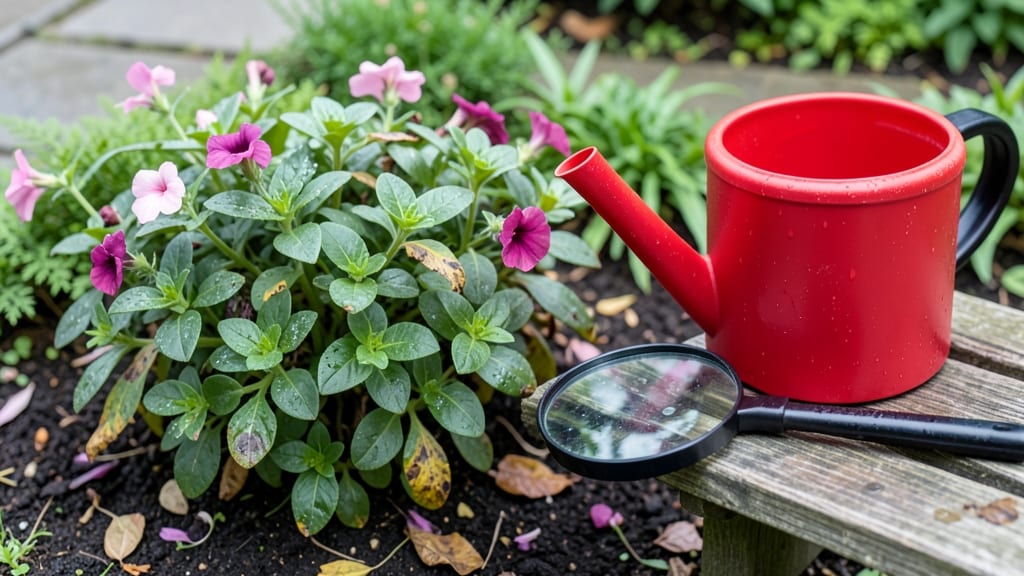
Impatiens plant disease can turn vibrant blooms into sad, spotted messes in just a few weeks—don’t let that happen to your garden. ✨ After losing my first batch of impatiens to downy mildew, I learned the hard way how fast fungal and bacterial infections spread when humidity and poor airflow team up.
The good news? Catching these issues early means saving your plants with simple, targeted fixes.
Most impatiens diseases start with yellowing leaves, dark spots, or a fuzzy white growth on undersides—classic signs of downy mildew or bacterial leaf spot. Overwatering, crowded plants, and wet foliage create the perfect breeding ground.
The key is prevention: space plants 12–18 inches apart, water at the base (never overhead), and snip off infected leaves immediately to stop the spread.
Once you spot trouble, act fast with a mix of copper fungicide for fungal issues or neem oil for bacterial spots—both work organically and safely. For stubborn cases, a diluted hydrogen peroxide spray (1 part 3% solution to 4 parts water) can reset the plant’s defenses.
Within a week, you’ll see new growth pushing through, and your impatiens will bounce back stronger.
This approach works for both container and in-ground impatiens, and the same principles apply to other shade-loving plants like fuchsias and begonias. The secret? Staying one step ahead of moisture and debris. Let’s get your impatiens thriving again—no more sad, wilted blooms in sight.
Root Causes of Impatiens Woes
Impatiens plants, with their vibrant blooms and lush foliage, can quickly become a gardener’s pride—until disease strikes. Understanding why these issues arise is the first step to prevention. Below, we break down the science behind the most common culprits, from microbial invaders to environmental stressors.
Fungi thrive in moist, warm conditions, making them a persistent threat to impatiens. Here’s how they exploit your plants:
- Overhead Watering 💦 Fungal spores splash onto leaves during irrigation, creating entry points. Water droplets linger on foliage, creating a damp environment perfect for pathogens like Phytophthora (root rot) or Botrytis (gray mold). Actionable fix: Use drip irrigation or water at the soil base to keep leaves dry.
- Poor Air Circulation 🌬️ Dense plantings or crowded containers trap humidity, giving fungi like Alternaria (leaf spot) the upper hand. Stagnant air slows evaporation, prolonging moisture on surfaces. Actionable fix: Space plants 12–18 inches apart and prune for airflow.
- Stress from Overwatering 🌧️ Impatiens roots need oxygen—too much water suffocates them, weakening defenses. Fungi like Pythium exploit stressed roots, causing wilting or sudden collapse. Actionable fix: Test soil moisture; water only when the top inch is dry.
Bacteria spread rapidly, often through wounds or contaminated tools. Their damage is usually irreversible, but knowing their triggers helps:
- Physical Damage 🔪 Broken stems or leaves (from hail, pests, or rough handling) create open doors for bacteria like Xanthomonas (bacterial spot). Actionable fix: Inspect plants regularly and sterilize pruners with 70% isopropyl alcohol.
- High Humidity + Heat 🌡️ Temperatures above 80°F (27°C) with 80%+ humidity accelerate bacterial growth. Pseudomonas (bacterial blight) thrives in these conditions, causing yellowing and oozing lesions. Actionable fix: Avoid evening watering and use shade cloth in peak summer.
- Contaminated Water or Soil 💧 Reusing water from infected plants or using unsterilized potting mix introduces bacteria. Actionable fix: Disinfect containers with bleach (1 part bleach to 9 parts water) and use pasteurized soil.
Even without pathogens, impatiens suffer when basic needs aren’t met. These factors lower their resistance:
- Nutrient Deficiencies 🍃 Lack of nitrogen, phosphorus, or micronutrients (like magnesium) stunts growth, making plants vulnerable. Actionable fix: Use a balanced fertilizer (10-10-10) every 4–6 weeks and test soil pH (ideal: 6.0–6.5).
- Extreme Temperatures ❄️☀️ Cold snaps or heatwaves shock impatiens, triggering stress responses that attract pests/diseases. Actionable fix: Acclimate plants gradually to outdoor conditions (hardening off) and provide afternoon shade in hot climates.
- Pest Activity 🐜 Aphids, spider mites, or whiteflies feed on sap, creating wounds where bacteria/fungi enter. Actionable fix: Monitor undersides of leaves and treat infestations early with neem oil or insecticidal soap.
Pro Tip: 💡 Rotate crops annually—never plant impatiens in the same spot where diseased plants grew last season. Fungal spores can persist in soil for years!
Fixing Impatiens Plant Problems Fast
Reviving your impatiens doesn’t have to be a guessing game. Whether your plants are wilting, spotted, or covered in unsightly growths, targeted action can turn things around. Below, we’ll map the most common impatiens plant diseases to practical fixes—plus tips to keep your garden thriving long-term.
Fungal diseases like downy mildew, powdery mildew, and leaf spot thrive in damp, shaded conditions. Here’s how to tackle them:
🔥 Remove Infected Foliage Immediately
- How: Snip off yellowed, spotted, or moldy leaves with sterilized pruners (wipe with rubbing alcohol between cuts).
- Why: Fungi spread quickly—removing infected parts stops the cycle.
- Pro Tip: 💡 Bag and dispose of clippings in the trash (not compost)—fungal spores can survive in compost piles.
🍳 Boost Airflow and Light
- How: Thin out crowded plants, space them 6–12 inches apart, and prune nearby foliage blocking airflow.
- Why: Fungi love stagnant, humid air.
Better circulation = faster drying = fewer spores. - Pro Tip: 🌡️ Morning watering (not evening) reduces overnight moisture buits.
👨🍳 Apply Fungicide (If Needed)
- How: Use a copper-based fungicide or neem oil spray (mix 1 tbsp neem oil + 1 tsp mild soap per quart of water).
Spray both sides of leaves every 7–10 days until symptoms fade. - Why: Neem oil disrupts fungal growth naturally, while copper prevents spore germination. - Pro Tip: ✨ Prevent recurrence by spraying prophylactically (every 2–3 weeks) during humid seasons.
🏡 Adjust Your Watering Habits
- How: Water at the base (not overhead) and avoid wetting leaves. Use drip irrigation or soaker hoses.
- Why: Wet leaves = fungal buffet. Keep foliage dry to deter spores.
Bacterial diseases (like bacterial blight or soft rot) cause oozing lesions, wilting, or blackened stems. Act fast—bacteria spread even faster than fungi.
🔪 Cut Out the Infection
- How: Remove entire infected stems (don’t just trim leaves)—bacteria often hide in stems.
- Why: Bacteria can linger in plant tissue, reinfecting your garden.
- Pro Tip: 🔪 Disinfect tools between cuts with bleach water (1:10 ratio) or hydrogen peroxide.
🚫 Isolate Affected Plants
- How: Move sick impatiens at least 3 feet away from healthy ones (or pot them separately).
- Why: Bacteria hitchhike on tools, water, and wind. Isolation limits spread.
- Pro Tip: 🎯 Avoid overhead watering—splashing spreads bacteria like wildfire.
💊 Use Copper or Antibacterial Sprays
- How: Spray with a copper fungicide (works on some bacteria too) or a hydrogen peroxide solution (3% strength, diluted 1:1 with water).
- Why: Copper disrupts bacterial cell walls, while peroxide acts as a mild disinfectant.
- Pro Tip: 🌿 Rotate treatments—bacteria can build resistance.
Alternate copper with bacteriophage sprays (natural virus-based treatments).
🌡️ Sterilize Everything
- How: Clean pots, tools, and trellises with bleach water or rubbing alcohol. Solarize soil (cover with clear plastic for 4–6 weeks in hot sun) to kill lingering bacteria.
- Why: Bacteria survive in soil and tools—sterilization breaks the cycle.
Sometimes, pests (like aphids, spider mites, or slugs) weaken impatiens, making them susceptible to disease. Here’s how to evict them:
🕷️ Blast Off Soft-Bodied Pests
- How: Spray infested plants with a strong stream of water (aphids, mites hate this).
For stubborn pests, use insecticidal soap (1.5 tbsp soap + 1 quart water). - Why: Physical removal + soap suffocates pests without harming plants. - Pro Tip: 🌿 Encourage ladybugs—they eat aphids! Plant dill or marigolds nearby to attract them.
🐌 Slug and Snail Barriers
- How: Create a copper tape barrier around pots or use diatomaceous earth (food-grade) in a ring around plants.
- Why: Slugs leave slimy trails = perfect fungal growth medium.
Block them early! - Pro Tip: 🌙 Beer traps work too—bury a shallow dish of beer near plants. Slugs crawl in and drown.
🌱 Strengthen Plant Defenses
- How: Feed impatiens with a balanced fertilizer (10-10-10) or compost tea to boost immunity.
- Why: Healthy plants fend off pests and diseases better.
- Pro Tip: 💪 Foliar feed with seaweed extract (sprayed on leaves) for extra resilience.
Once you’ve treated the problem, stop it from coming back with these habits:
- 🌧️ Water wisely: Early morning is best—never water after sunset. - ☀️ Space plants properly: Crowding = fungal paradise.
Aim for 6–12 inches between stems. - 🧼 Clean tools: Wipe pruners with rubbing alcohol between plants. - 🌱 Rotate crops: If you replant impatiens in the same spot, wait 2–3 years to avoid soil-borne diseases. - 🌿 Choose resistant varieties: Some impatiens (like Impatiens walleriana ‘Super Elfin’) tolerate humidity better.
Remember: Early action is key! The sooner you spot symptoms, the easier the fix. With these steps, your impatiens will bounce back—and stay healthy for seasons to come. 🌸
Frequently asked questions
What are the most common signs of impatiens plant disease?
Look for yellowing leaves, dark spots with fuzzy white growth (downy mildew), or oozing lesions (bacterial infections). Wilting stems or blackened foliage also signal trouble—catch these early to save your plants!
Can I save impatiens already showing severe disease symptoms?
For fungal issues like powdery mildew, prune infected leaves and treat with neem oil or copper spray. Bacterial infections are trickier—often require removing entire stems and sterilizing tools. If roots are rotted, repot with fresh, pasteurized soil.
How do I prevent impatiens diseases without chemicals?
Space plants 12–18 inches apart for airflow, water at the base (never overhead), and use mulch to reduce soil moisture. Rotate crops yearly and clean tools with rubbing alcohol to break disease cycles naturally.
Why do my impatiens get diseases even with good care?
Humidity, poor drainage, or stressed plants (from overcrowding or nutrient deficiencies) weaken defenses. Even resistant varieties need proper spacing and airflow—fungi and bacteria exploit any opportunity in damp conditions.
Are there impatiens varieties less prone to diseases?
Yes! Look for Impatiens walleriana ‘Super Elfin’ or New Guinea impatiens—they tolerate humidity better. These hybrids often resist downy mildew and bacterial spots, but still need good airflow and sunlight.