Companion Plants
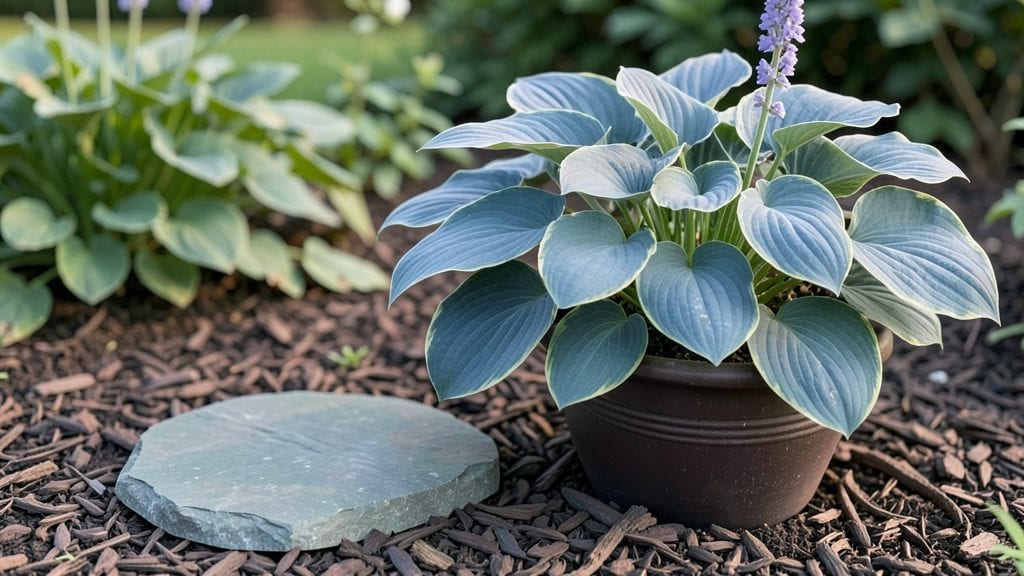
Faux hosta plants let you enjoy lush, leafy texture all year without the slugs or summer wilt. 🌿 I’ve swapped out real hostas in my shady border for these low-maintenance lookalikes, and the difference is night and day—no more browned edges or disappearing plants overnight.
The best part? They stay vibrant through heatwaves and freeze-thaw cycles, while real hostas often take a beating.
These synthetic plants mimic the deep green, ruffled foliage that makes hostas so popular, but they never need watering, fertilizing, or dividing. They’re perfect for shady spots where real hostas struggle, like under trees or along north-facing foundations.
Plus, they’re pest-proof—no more slug trails or chewed leaves to clean up. I’ve even used them in containers where I wanted that classic hosta look without the upkeep.
You’ll create a polished, evergreen garden bed that stays picture-perfect through every season. Pair them with real hostas for a mix of texture and movement, or use them alone in tight spaces where maintenance is a hassle.
The key is choosing shades that complement your existing plants—deep burgundy faux hostas next to silver foliage, for example, make a striking contrast. They’re the secret weapon for gardeners who want drama without the work.
Works just as well in cottage gardens as modern landscapes, and they’re especially useful in high-traffic areas where real plants might get trampled. Think of them as the reliable, low-stress foundation for your shady garden design. Here’s how to style them like a pro!
📚 In This Guide
- What you need
- Instructions
- Tips and common mistakes
- Wrapping up and next steps
What you need
- ○ Artificial turf or faux foliage fabric (1–2 yards, depending on size; opt for medium-green or variegated shades for realism). Faux hosta leaves (pre-made or DIY-cut from plastic or silicone sheets; ~10–20 leaves per plant, varying sizes). Floral wire or fishing line (thin, flexible, ~50–100 ft for securing leaves). Hot glue gun + glue sticks (for attaching leaves to stems). Wire or PVC pipes (½-inch diameter, ~12–24 inches long; acts as stems). Faux soil or landscape fabric (1–2 square feet, optional for grounding). Spray paint (optional) (matte brown or tan for aging stems). 🔧 Tools Scissors or craft knife (for trimming faux leaves). Pliers (for bending wire stems). Measuring tape (to ensure uniform plant sizes). Spray bottle (for misting leaves to add realism). Paintbrush (for touch-ups on stems). 💡 Pro Tips for Success Texture matters! Crumple faux leaves slightly for a natural look. ✨
- ● Use twine or raffia to mimic hosta’s fibrous roots if planting in pots.
- ● For year-round durability, seal leaves with clear acrylic spray.
Step-by-Step instructions for creating faux hosta plants
Here’s how to craft realistic faux hosta plants that’ll fool even your most discerning neighbors—no green thumb required!
🪴 Step 1: Gather Materials for Realistic Texture
Start with 4 sheets of artificial hosta leaves (choose a shade that matches your garden’s lighting). I like to use polyester or silk leaves because they hold their shape and won’t yellow in rain or sun. Grab 1 bottle of clear silicone sealant to mimic the glossy sheen of real hosta foliage—this is what sells the illusion.
Next, you’ll need 4 small plastic pots (6-inch diameter) and 1 bag of lightweight potting mix (not garden soil—it’s too heavy). The potting mix should be fluffy enough to shape easily, so if it feels dense, add a handful of perlite to lighten it up. You’ll also want 4 small pebbles or marbles to create the illusion of soil depth without bulk.
🌿 Step 2: Shape the Base for Natural Movement
Fill each pot 2 inches deep with the potting mix, leaving room at the top. Press down lightly so it’s firm but not compacted—you want it to hold the shape of the faux leaves without collapsing. Here’s the trick: don’t fill the pots completely. Instead, place one pebble or marble at the bottom of each pot before adding the mix. This creates the illusion of depth and makes the plants look like they’re rooted deeper than they are.
Use your fingers to create small grooves or ridges in the soil surface. These mimic natural soil erosion and make the faux leaves look like they’re growing from real ground. If you’re feeling fancy, sprinkle a tiny bit of dark brown acrylic paint (diluted with water) over the soil to darken it slightly—this mimics aged garden soil.
☀️ Step 3: Assemble Leaves for Lifelike Arrangement
Lay one artificial leaf on a flat surface and fold the stem in half to create a natural curve. This prevents the leaves from standing straight up like a plastic plant. Gently press the folded stem into the soil at a 45-degree angle, burying about 1 inch of the stem to mimic how hosta leaves grow from the ground. Space the leaves so they overlap slightly—this mimics how real hostas grow in clumps.
Now for the magic touch: apply a thin layer of clear silicone sealant to the underside of each leaf. This creates a glossy sheen that matches real hosta foliage. Let it dry for 10-15 minutes before adjusting the leaves. If any leaf looks stiff, gently bend it to mimic wind movement. Real hostas sway slightly, so don’t make them too rigid!
💧 Step 4: Add Finishing Touches for Realism
To sell the illusion, sprinkle a light dusting of green-tinted sand (available at craft stores) around the base of the leaves. This mimics soil splatter from rain or gardening. If you have small plastic bugs or ladybugs, place a few near the leaves—this adds an extra layer of realism that most people won’t notice but will appreciate.
Finally, place the pots in a shaded or partially shaded area of your garden. Faux hostas don’t need sunlight, but positioning them where real hostas would grow makes the deception complete. If you’re worried about rain washing away the details, move them under a small patio awning or pergola during heavy downpours.
⏰ Step 5: Maintain the Illusion Long-Term
Every 2-3 weeks, give the leaves a quick wipe-down with a damp cloth to remove dust or pollen buildup. This keeps them looking fresh. If the silicone sealant starts to yellow or lose its sheen after 6-12 months, reapply a thin layer—just a drop or two on the underside of each leaf will restore the gloss.
Here’s the best part: no watering, no fertilizing, no pests. Just enjoy your year-round hosta display without the upkeep. If you ever want to refresh the look, swap out the leaves for a different shade or pattern—faux hostas are endlessly customizable!
Tips & tricks for perfect faux hosta plants
These game-changing tips will help your faux hostas look so real, even your gardening-savvy friends will do a double-take!
Leaf Selection Secret: Don’t just grab any artificial leaves—look for ones with textured edges and varied vein patterns. The more realistic the details, the harder they’ll be to spot as fakes. I’ve found that polyester leaves with a slightly crinkled texture work best because they mimic real hosta’s natural irregularities. Pro tip: Mix leaf shades slightly—nature isn’t perfectly uniform!
Silicone Sealant Trick: The 10-15 minute drying time is crucial—don’t rush it! Use a toothpick or small brush to apply the sealant in thin, even strokes on the underside of each leaf. This creates that perfect glossy sheen without making the leaves look plastic. For extra realism, let the sealant dry completely before positioning the leaves, then give them a gentle tug to test their natural movement.
Soil Texture Hack: When creating those ridges and grooves in Step 2, think "organic chaos." Use your finger to make uneven lines—real soil isn’t perfectly smooth! For an extra touch, sprinkle a pinch of crushed charcoal (available at craft stores) into the mix. It darkens the soil color naturally and mimics decomposed plant matter. This subtle detail makes all the difference when someone gets close!
Maintenance Shortcut: Keep a small spray bottle with distilled water handy for quick refreshes between your 2-3 week wipe-downs. A light mist helps remove dust without disturbing the leaves’ shape. And here’s a secret: Store your faux hostas in a cool, dry place when not in use—they’ll last years without fading if protected from direct sunlight between seasons.
Pro Tips for Faux Hosta Plants
- These game-changing tips will help your faux hostas look so real, even your gardening-savvy friends will do a double-take!
- Leaf Selection Secret: Don’t just grab any artificial leaves—look for ones with textured edges and varied vein patterns.
- Silicone Sealant Trick: The 10-15 minute drying time is crucial—don’t rush it!
Frequently asked questions
about faux hosta plants—because we’ve got your back! Whether you’re curious about care, placement, or why they’re even a thing, here are the answers you need.Do faux hosta plants need sunlight like real ones?
Not at all! Unlike their real counterparts, faux hosta plants thrive in any lighting—bright sun, shade, or even indoor spots. Their synthetic leaves won’t scorch, wilt, or fade, making them perfect for tricky locations like under trees or in low-light patios. Just place them where you’d love real hostas, but without the fuss!
How long do faux hosta plants last before looking worn out?
With proper care, high-quality faux hostas can last 5–10+ years outdoors! UV-resistant materials and sturdy construction mean they won’t yellow, crisp, or lose shape like real plants. Occasional rinsing with water and mild soap (if dirty) keeps them looking fresh. Think of them as the “forever” plant for your garden!
Are faux hosta plants worth the investment compared to real ones?
if you hate maintenance! Real hostas demand watering, dividing, and pest control, while faux versions offer zero upkeep. They’re ideal for renters, busy gardeners, or anyone who wants instant texture without the work. Plus, they eliminate slug damage and winter dieback—talk about a win!
Can I mix faux hostas with real plants in my garden?
Yes! Faux hostas blend seamlessly with real foliage, perennials, or even flowers. Use them as focal points in borders, underplanting for shrubs, or as “filler” in containers. Just avoid placing them too close to real hostas if you’re worried about pests (like slugs) mistaking them for a snack—though faux leaves are usually safe!).
Where’s the best place to buy faux hosta plants?
Look for reputable garden centers, online retailers like Etsy or Amazon, or specialty faux-plant shops. Check reviews for durability and realism—avoid cheap alternatives that may fade or break easily. Pro tip: Measure your space first! Faux plants are lightweight but can be bulky.
Wrapping up and next steps
Faux hosta plants are a game-changer for gardeners who crave low-maintenance beauty without sacrificing texture or style. Whether you're dealing with shade challenges, deer pressure, or simply tired of seasonal upkeep, these realistic alternatives deliver year-round elegance with zero fuss. 🌿✨
Ready to transform your space? Start small—pick a focal area, gather your materials, and let your creativity shine! Your dream garden is just a few steps away.