
Flowers
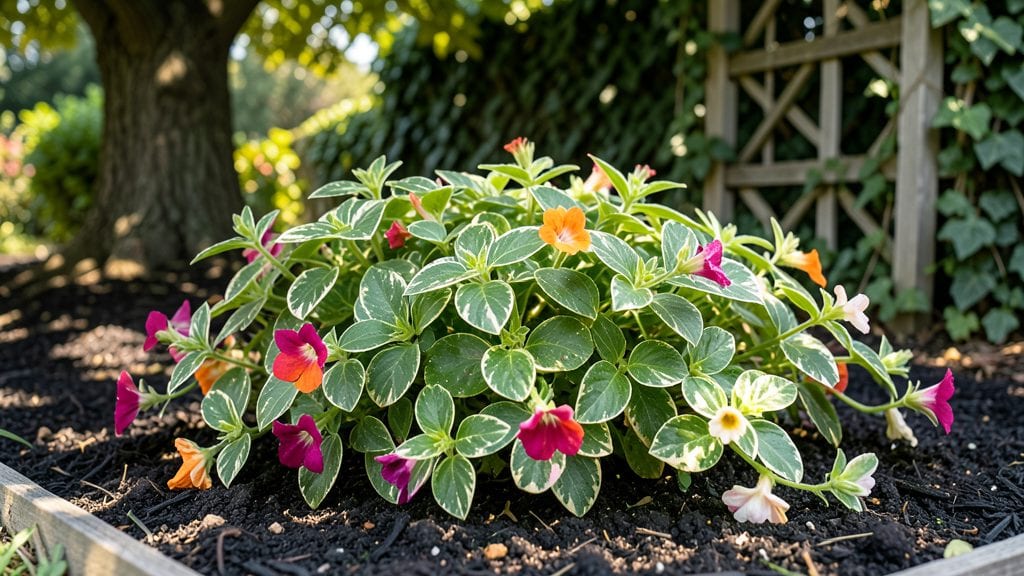
The variegated impatiens plants bring striking white-and-green foliage that pops against deep purple blooms, and they’re the secret weapon for brightening shady spots. 🌿 I’ve grown them in my north-facing garden for years, and their ability to thrive where nothing else will grow never ceases to impress.
They’re not just pretty—they’re low-maintenance powerhouses that fill gaps with color from early summer until frost.
The key to their success is matching their needs: moist, well-draining soil rich in organic matter, and at least four hours of dappled shade daily. Too much sun scorches their delicate leaves, while too little light makes them leggy.
I swear by mixing compost into the planting hole and watering at the base—never overhead—to keep those variegated stripes crisp and vibrant. They’ll reward you with nonstop blooms if you give them the right conditions.
Imagine your shady patio or woodland garden edge transformed into a cascade of velvety foliage and jewel-toned flowers. Variegated impatiens spill beautifully over containers, line walkways, or tumble from hanging baskets, creating a lush, almost tropical feel.
The best part? They’re disease-resistant and attract pollinators, making them a gardener’s dream for trouble-free shade gardening.
Here’s the thing—these plants are easy to propagate if you snip a stem and root it in water. I’ve shared cuttings with neighbors, and they always come back asking for more.
Whether you’re filling a dark corner or brightening a balcony, variegated impatiens deliver instant impact with minimal effort. Let’s get them growing!
📚 In This Guide
- What you need
- Instructions
- Tips and common mistakes
- Wrapping up and next steps
What you need
- ● Variegated impatiens plants: 3–5 healthy nursery-grown plants (check for vibrant foliage and buds).
- ● Well-draining potting mix: 10–15 gallons (or a blend of 60% peat moss, 30% perlite, and 10% compost).
- ● Containers or garden bed: For containers: 6–8" pots with drainage holes (1 per plant).
- ● For garden beds: Partial to full shade spot with moist, rich soil.
- ● Slow-release fertilizer: 10–20-10 NPK ratio (1 tbsp per plant or per 2 sq ft of bed).
- ● Watering can or hose with gentle spray: For consistent moisture without disturbing roots.
- ○ Gloves (optional): To protect hands from soil and thorns.
- ○ Pruning shears (optional): For trimming leggy stems (sterilized with rubbing alcohol).
- ○ Mulch (optional): 1–2" layer of shredded bark or coconut coir to retain moisture.
- ○ Plant stakes or cages (optional): For taller varieties to prevent flopping.
- ○ Shade cloth (optional): 30–50% coverage if your area gets harsh afternoon sun.
Step-by-Step guide to growing thriving variegated impatiens
Here's how to coax those striking striped blooms into full, lush display—even in shady corners.
🌱 Step 1: Select the Right Starting Plants
Variegated impatiens thrive from transplants, so skip the seed route unless you're experienced. Look for healthy starter plants with vibrant green-and-white variegated foliage and tight buds—avoid leggy specimens with sparse blooms. I always check the undersides of leaves for spider mites before bringing plants home, as they love hiding there.
Choose plants labeled for your hardiness zone, as variegated varieties often need slightly warmer conditions than solid-green impatiens. The 4 plants you'll need should have sturdy stems and no signs of yellowing—that's a sign of overwatering or poor drainage. Handle them gently by the leaves, not the stems, to avoid crushing.
🪴 Step 2: Prepare Containers with Perfect Drainage
Impatiens despise soggy roots, so select containers with multiple drainage holes—at least 3 per pot. I use 8-inch hanging baskets or 10-inch nursery pots for each plant, as their shallow root systems need room to spread but not too much depth. Line the bottom with 1 inch of perlite to create an air pocket that prevents waterlogging.
Fill the containers halfway with moistened potting mix, pressing lightly to remove air pockets. The mix should feel like a damp sponge—not wet enough to drip, but not dry enough to crumble. Leave 1 inch of space at the top to prevent spills when watering. This setup mimics their natural woodland habitat where moisture drains quickly.
☀️ Step 3: Plant and Position for Optimal Shade
Gently remove the plant from its nursery pot and tease the roots apart if they're circling. Place it in the container so the top of the root ball sits ½ inch below the rim—this prevents soil from spilling when you water. Fill the remaining space with more potting mix, pressing lightly around the base to eliminate air gaps.
Variegated impatiens need partial to full shade—4-6 hours of dappled sunlight at most. Position them where they'll receive morning sun and afternoon shade, or under 30% shade cloth if your space gets intense afternoon rays. You'll know they're happy when the variegation stays crisp and new leaves emerge bright and upright, not stretched toward light.
💧 Step 4: Water and Fertilize for Continuous Blooms
Water immediately after planting, then keep the soil consistently moist—never soggy. I check by sticking my finger 1 inch into the soil; if it feels dry, it's time to water. Use room-temperature water and water at the base to avoid wetting the foliage, which can invite fungal diseases. Variegated types need slightly more frequent watering than green varieties because their lighter leaves transpire faster.
Feed every 2 weeks with a balanced liquid fertilizer (10-10-10) diluted to half strength. The key is consistency—skip the fertilizer, and you'll get fewer blooms; overdo it, and you'll burn the roots. You'll notice new buds forming within 3-4 weeks of regular feeding, signaling the plant is thriving. Pinch back leggy stems to encourage bushier growth and more blooms.
✂️ Step 5: Prune and Maintain for Long-Lasting Color
Deadhead spent blooms weekly to encourage nonstop flowering. Simply pinch off the faded flowers between your thumb and forefinger—no tools needed. This prevents seed formation and redirects the plant's energy into producing more striking striped blooms. I also trim any yellowing leaves immediately; they sap energy and can spread disease to healthy foliage.
Rotate containers quarter-turn weekly so all sides get even light exposure. This prevents plants from leaning toward the light and keeps the variegation looking crisp. By mid-summer, you'll have a cascade of bold white-and-green striped blooms that last until frost—if you keep the soil moist and the shade consistent. The secret? Treat them like the pampered divas they are, and they'll reward you with months of vibrant color.
Tips & tricks for perfect variegated impatiens
Here's what nobody tells you about keeping those bold striped blooms thriving all season long.
The Selection Secret: In Step 1, when choosing your 4 plants, pay special attention to the undersides of leaves for spider mites—those tiny pests love hiding there. I've ruined three batches by missing this step. Also, avoid plants with yellowing leaves, which signals overwatering or poor drainage. The variegation should be crisp and vibrant, not dull or patchy.
Drainage is Non-Negotiable: The 1 inch of perlite at the bottom of your containers in Step 2 isn't just for show—it creates an essential air pocket that prevents waterlogging. I've seen impatiens roots rot in just 48 hours when drainage fails. If your containers don't have drainage holes, drill them yourself or use a cache pot with gravel at the bottom.
Light Positioning Matters: When placing your plants in Step 3, remember that 4-6 hours of dappled sunlight is ideal. Too much direct sun will bleach out the variegation, while too little light causes leggy growth. I place mine under a large tree that provides morning sun and afternoon shade—this keeps the foliage bright and prevents stretching. Rotate containers weekly to ensure even light exposure.
Watering Wisdom: The 1-inch soil moisture check in Step 4 is critical. Variegated leaves transpire faster than solid green ones, so you'll need to water slightly more frequently. I've learned the hard way that soggy soil invites fungal diseases—always water at the base and avoid wetting the foliage. Room-temperature water prevents shock to the roots.
Pro Tips for Variegated Impatiens Plants
- Here's what nobody tells you about keeping those bold striped blooms thriving all season long.
- The Selection Secret: In Step 1, when choosing your 4 plants, pay special attention to the undersides of leaves for spider mites—those tiny pests love hiding there.
- Drainage is Non-Negotiable: The 1 inch of perlite at the bottom of your containers in Step 2 isn't just for show—it creates an essential air pocket that prevents waterlogging.
Frequently asked questions
Got questions about growing variegated impatiens? You’re not alone!
Here are answers to the most common queries to help you cultivate these striking, shade-loving beauties with confidence.
How do I keep variegated impatiens from getting leggy?
Leggy growth happens when they don’t get enough light. Place them in bright, indirect light (like dappled shade) and pinch back tips to encourage bushier growth. Avoid deep shade—it stretches stems and reduces blooms. A little morning sun is perfect!
When is the best time to plant variegated impatiens?
Start after the last frost when soil temps hit 55°F+ (usually late spring). They’re tender annuals, so wait until nighttime temps stay above 50°F. For containers, plant after your local frost date for consistent blooms all season.
Do variegated impatiens need special care in rainy climates?
Yes! Overwatering or soggy soil causes root rot. Ensure pots have drainage holes and mulch around the base to keep roots dry. If rain is heavy, move containers to sheltered spots. These plants love humidity but hate wet feet.
What’s a good alternative if variegated impatiens don’t thrive in my garden?
Try coleus (for bold foliage), heuchera (shade-tolerant perennials), or begonias (similar care, vibrant blooms). For height, mix in ferns or astilbes. All thrive in low light and add texture to shady spots!
Why are my variegated impatiens losing leaves or wilting?
Check for overwatering (yellow leaves), underwatering (crispy edges), or pests (like aphids). Adjust watering to keep soil evenly moist but not soggy. Treat pests with neem oil or insecticidal soap. If leaves fade to solid green, they might need more light.
Wrapping up and next steps
Variegated impatiens are a fantastic choice for adding vibrant color and texture to shady spots in your garden! Their striking variegated foliage and cheerful blooms make them a low-maintenance yet high-impact plant.
Whether you're a beginner or a seasoned gardener, these shade-loving beauties are sure to bring joy to your outdoor space.
Ready to transform your garden? Start by selecting your favorite variegated varieties and give them the right care—they’ll reward you with lush, blooming magic all season long! 🌿✨