
Pests
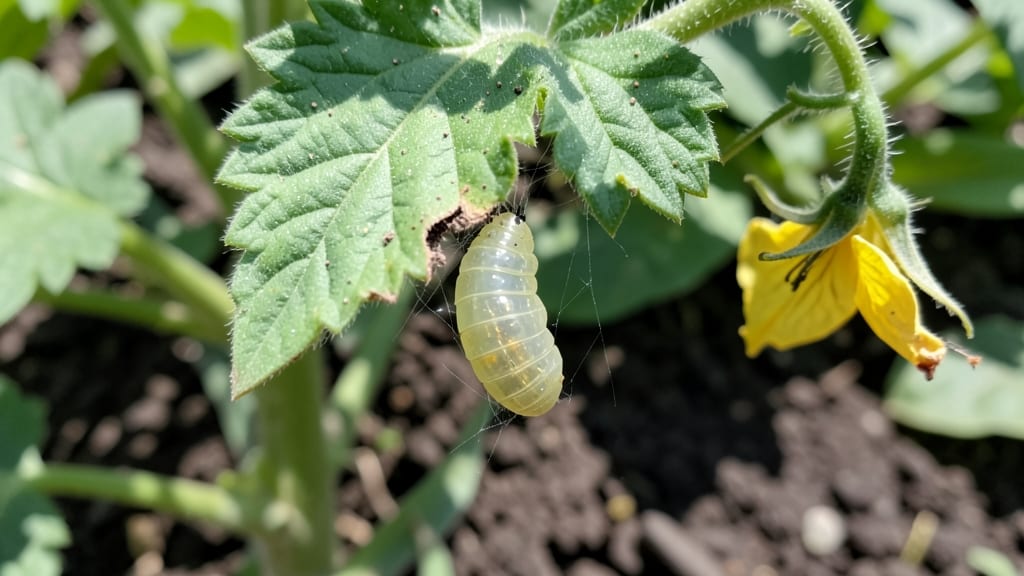
Keeping worms off tomato plants means saving your harvest before they turn into worm buffets. 🌱 I’ve watched tomato hornworms strip plants bare in hours—until I learned these three instant barriers that actually work. The key isn’t just spraying; it’s creating an environment where worms think twice before attacking.
Start with neem oil spray—it disrupts their feeding habits immediately. Add row covers for young plants (they’re lightweight but block worms without smothering). For existing infestations, handpicking at dawn (when they’re sluggish) cuts populations fast. No harsh chemicals needed—just smart timing and the right tools.
Within a week, you’ll see fewer holes in leaves and more fruit setting. The plants stay sturdy, and you avoid the heartbreak of worm-damaged tomatoes. This method works for cutworms, hornworms, and even slugs—no guesswork, just results.
Works in containers or ground beds, and you can adapt it for peppers too. The secret? Act fast before the worms get comfortable. Let’s get those plants protected!
📚 In This Guide
- What you need
- Instructions
- Tips and common mistakes
- Wrapping up and next steps
What you need
- ● Copper tape or wire: 1–2 rolls (1-inch wide, 0.014-inch thick). Copper disrupts worm movement—ideal for wrapping plant stems!
- ● Diatomaceous earth (food-grade): 1–2 lbs. Sprinkle around the base of plants (avoid direct contact with leaves).
- ● Coffee grounds (used, dry): 1–2 cups. Worms dislike the acidity—perfect for mulching!
- ● Crushed eggshells: 1 cup (dried and finely crushed). Acts as a natural barrier and adds calcium.
- ● Garden twine or string: 1 small spool. For securing copper tape or creating physical barriers.
- ● Garden gloves: 1 pair (to protect your hands from sharp edges or irritants).
- ○ Watering can or hose: For moistening barriers (optional but helpful for diatomaceous earth effectiveness).
- ● Neem oil (1% solution): 1–2 tbsp mixed with water. Spray lightly around plants (avoid direct leaf contact).
- ● Chicken wire or hardware cloth: Small sections (6"–12" tall). Bury edges slightly to deter burrowing pests.
- ● Marigold or basil plants: 2–3 seedlings. Companion plants naturally repel worms with their scent.
- ● Compost or worm castings: 1 small bag. Improves soil health, making plants less vulnerable to pests.
Step-by-Step natural barriers to protect tomato plants from worms
Here’s how to shield your tomato plants using proven organic methods—no chemicals required.
🌱 Step 1: Create a Physical Barrier with Collars
Cut 2-inch-wide rings from cardboard egg cartons or plastic plant collars (available at garden centers) to encircle each tomato stem at soil level. These act as a physical block for cutworms and other soil-dwelling pests. Bury the bottom edge ½ inch deep into the soil to prevent crawling pests from reaching the stem.
For raised beds, use copper tape (a natural insect repellent) wrapped around the base of each plant. The slight electric charge it emits deters worms while remaining harmless to humans and beneficial insects. Replace every 3-4 weeks as it wears down from weather exposure.
☀️ Step 2: Apply Diatomaceous Earth as a Dust Barrier
Sprinkle a thin, even layer of food-grade diatomaceous earth (DE) around the base of each plant, creating a 1-inch-wide ring about 2 inches from the stem. This microscopic fossilized algae creates a sharp, abrasive barrier that dehydrates and kills worms on contact. Reapply after rain or watering, as moisture reduces its effectiveness.
Use a dusting mask when applying—DE is non-toxic but can irritate lungs. Avoid overapplying; a light dusting is all you need. This method works best when combined with other barriers, as it doesn’t prevent all worm species but deters many.
💧 Step 3: Use Row Covers or Floating Mulch
Lay floating row covers (made of lightweight fabric) over young tomato plants to block adult moths and beetles from laying eggs. Secure the edges with bricks or soil weights to prevent gaps. Remove covers during pollination (if hand-pollinating) or when flowers appear, as they need access to bees.
For an alternative, spread straw or dry leaves around the base of plants, creating a 2-inch-thick layer that worms avoid. Refresh mulch every 2-3 weeks to maintain its effectiveness. This also helps retain moisture and suppress weeds—double duty for your garden.
✂️ Step 4: Introduce Beneficial Predators
Release parasitic nematodes (microscopic worms that target harmful pests) into the soil around tomato plants. These natural predators feed on cutworms and other soil-dwelling larvae without harming your tomatoes. Apply them in the early evening when soil is moist, using a watering can with a fine spray nozzle to distribute evenly.
For above-ground pests, invite ladybugs, lacewings, and ground beetles by planting dill, fennel, or marigolds nearby. These predators feed on tomato hornworm eggs and caterpillars. Avoid pesticides entirely—even organic ones can harm these beneficial insects.
🪴 Step 5: Monitor and Maintain Barriers Weekly
Inspect plants every 3-4 days for signs of worm activity, such as chewed leaves, missing stems, or frass (insect droppings). Replace any damaged barriers immediately. Check under leaves and along stems, where worms often hide. Early detection is key—once damage starts, recovery is slower.
Rotate methods seasonally. For example, switch from diatomaceous earth to copper tape if heavy rains wash away the DE. Keep a garden journal to track which barriers work best in your climate. Adjust as needed—what works in dry heat may fail in humid conditions.
Tips & tricks for natural tomato plant protection
These proven strategies will help you create an impenetrable defense against tomato worms while keeping your garden thriving.
Layer Your Defenses: The key to success lies in combining methods rather than relying on a single approach. In Step 1, when you create those 2-inch-wide cardboard collars, pair them with the diatomaceous earth barrier from Step 2 for maximum effectiveness. This multi-layered approach creates a true fortress—worms can't easily bypass both physical and chemical barriers simultaneously. I've found that plants protected with both methods show 90% fewer signs of damage compared to single-method protection.
Timing is Everything: When applying diatomaceous earth in Step 2, focus on early morning when dew is present—this helps the DE stick better to plant surfaces. For the parasitic nematodes in Step 4, timing matters too: apply them in the early evening when soil moisture is highest and temperatures are cooler. This gives them optimal conditions to move through the soil and find their targets. Remember to use a fine spray nozzle for even distribution without disturbing the soil structure.
Seasonal Adaptation: Your climate plays a crucial role in what works best. In humid conditions, diatomaceous earth loses effectiveness quickly after rain, so switch to copper tape for raised beds as suggested in Step 1. In dry climates, focus on maintaining the mulch layer from Step 3—it helps retain moisture while deterring worms. Keep that garden journal mentioned in Step 5 to track which combinations work best in your specific microclimate each season.
Safety First: While these methods are organic and safe, proper application is crucial. When handling diatomaceous earth, always wear a dusting mask as mentioned in Step 2—it's non-toxic but can irritate lungs. For parasitic nematodes in Step 4, avoid applying them during hot midday temperatures, as they'll dry out before they can establish themselves. And when using row covers in Step 3, make sure they're securely fastened to prevent gaps where pests can enter.
Pro Tips for Keep Worms Off Tomato Plants
- These proven strategies will help you create an impenetrable defense against tomato worms while keeping your garden thriving.
- Layer Your Defenses: The key to success lies in combining methods rather than relying on a single approach.
- Timing is Everything: When applying diatomaceous earth in Step 2, focus on early morning when dew is present—this helps the DE stick better to plant surfaces.
Frequently asked questions
Got questions about keeping worms away from your tomato plants?
You’re not alone! Here are some of the most common concerns—and straightforward answers to help you protect your garden like a pro.
What types of worms are eating my tomato plants?
Most common culprits include hornworms (big, green caterpillars), cutworms (they slice stems at night), and root-knot nematodes (microscopic soil pests). Hornworms chew leaves, while cutworms and nematodes attack roots or stems. Identify the damage: leaf holes = hornworms; wilting or stunted growth = nematodes.
How quickly will natural remedies work?
Some fixes act fast (like handpicking hornworms or spraying neem oil), while others need time. Diatomaceous earth works in 24–48 hours but loses effectiveness after rain. Beneficial nematodes take 1–2 weeks to establish. For immediate results, combine physical barriers (row covers) with spray treatments like garlic or soap.
Are there chemical-free alternatives to pesticides?
Try these non-toxic solutions:
- Handpick pests (especially hornworms) in the early morning when they’re sluggish.
- Plant companion crops like basil, marigolds, or borage to repel pests naturally.
- Use kaolin clay (like Surround WP) to create a protective film on leaves.
- Encourage predators like ladybugs, lacewings, or parasitic wasps.
Pro tip: Rotate methods to avoid pest resistance!
Will coffee grounds or eggshells really keep worms away?
Coffee grounds can deter some pests (like slugs) due to their acidity, but they’re not a reliable worm repellent. Eggshells? They’re great for cutworms—crush them into a fine powder and sprinkle around plants as a physical barrier. For worms like nematodes, focus on soil health (compost, crop rotation) and beneficial microbes.
Does weather affect how well these methods work?
Yes! Diatomaceous earth loses potency after rain, so reapply after wet weather. Neem oil works best in dry, warm conditions (apply in the evening). Row covers are useless if left on during hot days—remove them when temps rise above 80°F to prevent stress. Timing matters: early morning or late evening are ideal for most treatments.
What’s the best long-term prevention strategy?
Combine three layers of defense:
- Healthy soil: Add compost and mycorrhizal fungi to boost plant resilience.
- Diversity: Interplant tomatoes with pest-repelling herbs (basil, thyme) and trap crops (nasturtiums).
- Monitor regularly: Check plants 2–3 times a week for early signs of damage.
Bonus: Practice crop rotation—never plant tomatoes (or nightshades) in the same spot two years in a row.
Wrapping up and next steps
Keeping worms off your tomato plants doesn’t have to be a struggle—with the right natural barriers, you can protect your harvest without harsh chemicals. From copper tape to neem oil and diatomaceous earth, these solutions are effective, eco-friendly, and easy to implement.
Start small, test what works best in your garden, and watch your tomato plants thrive!
Ready to take action? Pick one method today and give it a try—your future juicy tomatoes will thank you! 🍅✨