
Pests
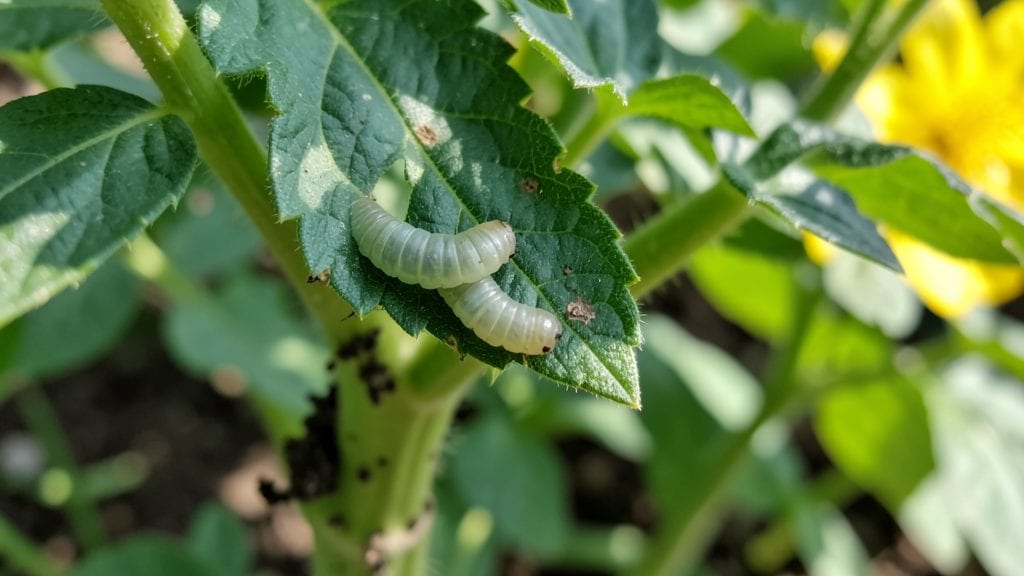
Worms munching your tomato leaves can turn a thriving plant into a skeleton overnight—unless you act fast. 🌱 I’ve lost entire tomato plants to hornworms and cutworms, but these methods saved my harvest last summer without harming the roots or the soil ecosystem.
The key is identifying the culprit first, because hornworms and cutworms need different approaches.
Most gardeners panic and reach for pesticides, but that kills beneficial insects too. Instead, I focus on three humane tactics: handpicking (especially at dawn when worms are sluggish), using row covers to block egg-laying moths, and applying neem oil as a last resort.
The best part? These methods work whether you’re growing in containers or a full-size garden bed.
You’ll see results within days—fewer holes in leaves, more flowers setting fruit, and a tomato plant that looks like it’s fighting back.
The secret is acting before the worms get too big, and I’ll show you exactly how to spot them early so you don’t end up with a defoliated plant by July.
Works for all tomato varieties, from cherry to beefsteak, and adapts to different climates. Here’s how to keep your plants lush and worm-free without breaking the bank or the ecosystem.
Root Causes Of Leaf-Crawling Worms
When you spot worms slithering across your tomato plant leaves, it’s rarely a random event—it’s usually a sign of underlying conditions that attract these pests. Understanding the why behind their presence helps you address the problem at its source, not just the symptoms.
Let’s break down the most common triggers, from environmental factors to plant health issues, so you can take targeted action.
Tomato plants under stress are like open invitations to pests. When roots are tangled, branches are overloaded with fruit, or the plant is struggling with nutrient deficiencies, it becomes weakened—and worms like cutworms or tomato hornworms are quick to take advantage. Here’s how it plays out:
- Root bind: If your tomato plant is root-bound (roots circling the pot or crowded in the soil), it can’t absorb water or nutrients efficiently. This stress signals the plant to produce more tender, protein-rich leaves—a worm’s favorite snack.
- Over-fruiting: Heavy tomato loads (especially in greenhouses or high-yield varieties) divert energy from leaf health. Weak leaves become easier targets for worms that chew through foliage.
- Nutrient imbalances: Too much nitrogen (common in fertilizers) promotes lush but soft leaves, while deficiencies (like potassium or calcium) make leaves brittle and vulnerable to pest damage.
Actionable fix: Prune overcrowded branches, thin fruit clusters, and test soil pH (aim for 6.0–6.8) to ensure balanced nutrition. Mulch with straw or grass clippings to reduce soil-borne stress.
Worms thrive in damp, shaded environments where humidity lingers. If your tomato plants are growing in conditions that mimic a tropical rainforest, you’re basically rolling out the red carpet for pests like slugs, cutworms, and even certain beetle larvae. Here’s the science:
- Overnight dew: Tomato leaves retain moisture longer than many plants, especially in low-light or high-humidity areas. Worms like tomato fruitworms lay eggs in damp soil or on leaves, and the hatchlings prefer moist surfaces to start feeding.
- Poor drainage: Waterlogged soil (from overwatering or clay-heavy soil) creates a perfect breeding ground for worm eggs and larvae. The excess moisture also softens leaves, making them easier to penetrate.
- Shady spots: Partial shade can reduce evaporation, keeping leaves damp for extended periods. Worms and their eggs survive longer in these conditions.
Actionable fix:
- Water at the base in the morning to allow leaves to dry by evening.
- Improve drainage with organic matter (compost or perlite) if your soil is clay-heavy.
- Space plants 3–4 feet apart for airflow and reduce humidity near foliage.
Tomatoes aren’t just delicious—they’re chemically appealing to certain worms and larvae. Some species are drawn to specific compounds in tomato plants, while others are lured by the plant’s natural sugars and proteins. Here’s what’s on the menu:
| Pest Type | Why They’re Drawn To Tomatoes | Signs They’re Feeding |
|---|---|---|
| Tomato Hornworms | They’re attracted to volatile organic compounds (VOCs) released by tomato leaves, especially when stressed. Their green color blends in perfectly with foliage. | Large, ragged holes in leaves; black droppings; missing flowers/fruit. |
| Cutworms | They seek out soft, young leaves and are drawn to areas with high organic matter (like mulch or compost piles). | Leaves chewed at night; plants suddenly wilted at the base. |
| Fruitworms (e.g., corn earworm) | Adult moths are attracted to tomato flowers, laying eggs on leaves or fruit. Larvae thrive on the plant’s sugars. | Small entry holes in fruit; white webbing on leaves. |
Actionable fix:
- Use yellow sticky traps to catch adult moths before they lay eggs.
- Hand-pick hornworms (they’re easy to spot—look for their camouflaged bodies on leaves).
- Apply neem oil or kaolin clay to disrupt feeding cues without harming the plant.
Worms don’t just appear—they’re often seasonal invaders that time their life cycles with tomato growth. Understanding their natural rhythms helps you predict and prevent outbreaks:
- Spring emergence: Many worm species (like cutworms) overwinter as pupae in soil and emerge when soil temps hit 50–60°F. If your tomatoes sprout early, you’re feeding them a head start.
- Summer humidity peaks: Warm, muggy nights (common in July–August) create ideal conditions for egg-laying. Hornworms, for example, can double their population in a month during these conditions.
- Late-season stress: As tomatoes ripen and drop in fall, the plant’s energy shifts, making leaves less resilient. This is when secondary pests (like aphids, which attract predatory worms) move in.
Actionable fix:
- Plant early-maturing varieties to avoid peak worm seasons.
- Use row covers in spring to block adult moths before they lay eggs.
- Monitor plants weekly during high-risk periods (early summer and late summer).
Pro Tip: 🔍 Inspect the undersides of leaves at dawn—this is where many worms hide after feeding. A magnifying glass helps spot tiny eggs or larvae before they become a full-blown problem.
Quick Fixes for Leaf-Eating Worms
Worms on your tomato leaves don’t have to mean the end of your harvest—with the right approach, you can tackle them effectively while keeping your plants thriving. Below are targeted solutions based on the most common causes, from organic sprays to physical removal and long-term prevention.
Each method is designed to be easy, humane, and plant-safe so you can restore your garden without harming the roots or beneficial insects.
If you’re dealing with green or brown cutworms (which slice leaves like scissors) or tomato loopers (slim green caterpillars), manual removal is often the fastest fix.
How to do it: 🔥 👨🍳 Scout at dawn or dusk – Worms are most active when temperatures are cooler. Shake leaves over a bucket of soapy water or a sealed container. 🍳 🔪 Use gloves or tongs – Grab the worms by the body (not the head) and drop them into a jar of soapy water or damp newspaper (they’ll suffocate). 🥘 🌙 Check under leaves daily – These pests hide during the day, so early morning or evening inspections work best.
Prevention tips: ✅ 🌙 Use row covers – Lightweight fabric barriers block eggs and adults before they lay them. ✅ 🌱 Plant basil or marigolds nearby – These repel moths (cutworm parents) and disrupt their life cycle. ✅ 🌡️ Avoid overhead watering – Wet leaves attract egg-laying moths.
Hornworms (those giant green monsters with white stripes) are tomato plant devourers—but they’re also edible for chickens or beneficial predators.
How to handle them: 🔥 🐔 Offer them to chickens or ducks – These pests are a protein-rich treat for poultry. Simply pluck them off and toss them into the coop. 🍳 🌿 Relocate to a compost bin – If you don’t have livestock, drop them in a covered compost pile (they’ll decompose naturally). 🥘 🔍 Encourage predators – Ladybugs, lacewings, and parasitic wasps love hornworms. Plant dill, fennel, or parsley to attract them.
Prevention tips: ✅ 🌱 Handpick daily – Hornworms grow fast—check plants every 2-3 days. ✅ 🌙 Use yellow sticky traps – These catch hornworm moths before they lay eggs. ✅ 🎯 Avoid broad-spectrum pesticides – They kill hornworm predators too!
If small, slimy trails on leaves mean slugs or snails are the culprits, these pests thrive in damp conditions and leave irregular holes (not clean cuts like worms).
How to trap them: 🔥 🍺 DIY beer trap – Bury a shallow container (like a yogurt cup) filled with beer or yeasty water near the plant. Slugs crawl in and drown overnight. 🍳 🛡️ Copper tape barrier – Slugs hate copper! Wrap a copper wire or tape around pots or raised beds—they’ll get a mild shock and avoid crossing. 🥘 🌿 Handpick at night – Use a flashlight after dark when they’re most active. Drop them in soapy water or salt (though salt can harm soil, so beer traps are better long-term).
Prevention tips: ✅ 🌞 Improve drainage – Slugs love moisture. Mulch with coarse materials (like pine straw) instead of fine wood chips. ✅ 🌱 Use crushed eggshells or diatomaceous earth – Sprinkle around the base (but avoid direct contact with leaves—it can harm plants). ✅ 🌙 Plant slug-repelling herbs – Mint, thyme, or rosemary deter them naturally.
If worms are too numerous to handpick, try these low-toxicity sprays that disrupt their life cycle without harming your tomatoes.
| Solution | How to Use | Best For |
|---|---|---|
| 🧴 Neem Oil Spray | Mix 1 tsp neem oil + 1 tsp mild soap + 1 quart water. Spray evening (avoid direct sun). | Cutworms, loopers, hornworms |
| 🌿 Bacillus thuringiensis (Bt) | Sprinkle Bt powder on leaves or mix with water. Safe for caterpillars only. | Hornworms, tomato loopers |
| 🍋 Garlic & Chili Spray | Blend 3 garlic cloves + 1 tbsp cayenne + 1 quart water. Strain and spray. | General deterrent for worms |
⚠️ Pro Tip: Always test sprays on a few leaves first—some plants (like peppers) can be sensitive to oils.
The best defense? A healthy, balanced ecosystem that worms don’t want to invade.
💡 Do this now: ✅ 🌱 Rotate crops – Don’t plant tomatoes in the same spot yearly (worms remember favorite hosts!). ✅ 🌿 Plant companion flowers – Marigolds, nasturtiums, and alyssum attract predatory wasps and bees. ✅ 🌙 Keep the garden tidy – Remove debris and fallen leaves where worm eggs hide. ✅ 🌱 Use raised beds with wire mesh – Bury hardware cloth around the base to block cutworms.
Final Thought: Worms on tomato leaves are manageable—whether you handpick, relocate, or spray, the key is consistency and prevention. With these methods, your tomato plants will bounce back stronger than ever! 🍅✨
Frequently asked questions
What’s the fastest way to tell if my tomato leaves have worms?
Check the undersides of leaves at dawn or dusk—this is where most worms hide after feeding. Look for ragged holes (hornworms), slimy trails (slugs), or black droppings (cutworms). A magnifying glass helps spot tiny eggs or larvae early.
Are those giant green worms on my tomatoes actually harmful?
Yes, tomato hornworms can defoliate a plant in days, but they’re not dangerous to humans. They’re actually beneficial for chickens or ducks! If you don’t have livestock, handpick them and drop them in a covered compost bin—they’ll decompose naturally.
Why do worms seem to appear overnight?
Most worms (like cutworms) are nocturnal and hide during the day. They lay eggs in soil or on leaves, and hatchlings start feeding at night. High humidity or recent rain creates ideal conditions for their life cycle. Check plants weekly during warm months to catch them early.
Can I use soap or vinegar to kill worms on tomato leaves?
Yes, but carefully! A 1 tsp mild soap + 1 quart water spray works for soft-bodied worms (like loopers). Vinegar (1:1 with water) can deter pests but may harm beneficial insects. Always spray evenings to avoid leaf burn. Test on a small area first.
Will my tomato plant recover if I remove the worms?
Tomato plants are resilient. Remove worms daily to prevent further damage, and prune heavily chewed leaves to redirect energy to new growth. Within 1-2 weeks, you’ll see fresh leaves if the roots are healthy. Keep plants well-watered and fertilized to speed recovery.