
Pests
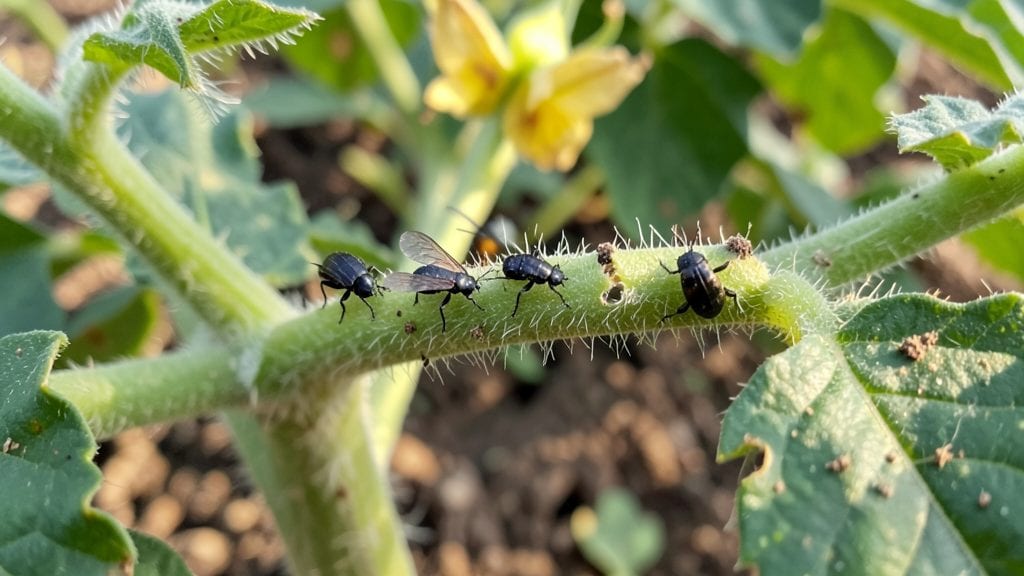
Flea beetles on tomato plants can turn your harvest into a Swiss cheese buffet in days. 🌱 I’ve watched them skeletonize entire seedlings in just a few hours, and the good news is you can stop them fast with the right approach—starting with a neem oil spray that works within 24 hours.
The first step is identifying those tiny black beetles and the telltale shot-hole pattern on leaves. They’re most active in hot, dry weather, so prevention matters—row covers, companion planting with basil or nasturtiums, and keeping your garden healthy all help.
But once they strike, neem oil disrupts their life cycle while being safe for your plants and pollinators.
You’ll see fewer beetles within hours and new growth free from damage within days. The key is consistency: reapply neem oil every 5–7 days until the plants are established, and combine it with other defenses for long-term control. Your tomatoes won’t just survive—they’ll thrive.
This method works for seedlings, transplants, and mature plants alike, whether you’re growing in the ground or containers. Let’s get those beetles under control before they ruin your season.
Root Causes of Flea Beetle Attacks
Flea beetles don’t just randomly target your tomato plants—they’re drawn by a mix of environmental, biological, and even agricultural factors. Understanding these triggers is the first step to stopping their destructive feeding habits.
Below, we break down the key reasons why these tiny pests show up in your garden, so you can address the problem at its source.
Flea beetles thrive when tomato plants are weak or struggling. Here’s why: - Competition for Resources: When tomato seedlings are planted too closely, they compete for sunlight, water, and nutrients.
Weakened plants produce less chlorophyll, making them more vulnerable to pests like flea beetles. - Slow Growth = Easy Targets: Stressed plants grow slower, and their tender new leaves become a buffet for flea beetles.
These pests are attracted to young, soft foliage, which is easier to chew through than mature leaves. - Water Stress: Overwatering or underwatering can stress tomato plants, making them more attractive to pests. Flea beetles detect stressed plants through volatile organic compounds (VOCs) released into the air.
Actionable Insight: Space your tomato plants 18–24 inches apart and ensure they receive consistent watering (about 1–1.5 inches per week). Healthy plants are less appealing to flea beetles.
Flea beetles love hiding in decaying organic matter and weeds. Here’s how clutter invites them: - Weeds as Breeding Grounds: Weeds like purslane, pigweed, and nightshade (which are in the same family as tomatoes) act as host plants for flea beetles.
They lay eggs in the soil near these weeds, and the larvae feed on the roots. - Old Plant Debris: Leftover tomato stems, leaves, or compost piles provide shelter for adult beetles during the day.
They emerge at dusk to feed, often targeting nearby tomato plants. - Unmulched Soil: Bare, compacted soil retains moisture and heat, creating ideal conditions for flea beetle eggs to hatch. Mulch helps regulate soil temperature and deters pests.
Actionable Insight: Clear weeds and debris from your garden bed before planting. Use straw or grass clippings as mulch to suppress weeds and deter beetles.
Flea beetles are temperature-sensitive and become more active in specific weather patterns: - Heat Lovers: They thrive in warm soil (above 60°F/15°C) and prefer dry, sunny conditions.
Heat speeds up their metabolism, making them more aggressive feeders. - Drought Stress: Tomato plants under drought stress produce higher levels of certain sugars and proteins in their leaves, which attract flea beetles. - Early Spring Emergence: Flea beetles often appear as soon as soil warms in spring, sometimes before tomato seedlings are even planted.
They seek out the first available host plants.
Actionable Insight: If your area has hot, dry summers, consider shade cloth (30–50%) to reduce stress on plants. Water deeply in the early morning to encourage strong root growth and deter beetles.
Flea beetles are persistent annual visitors if conditions remain favorable. Here’s how history repeats itself: - Larvae Overwintering: Some flea beetle larvae burrow into the soil and hibernate through winter.
If your garden had an infestation last year, these larvae may emerge the next spring, ready to attack new tomato plants. - Adults Migrating from Nearby Fields: Flea beetles can travel up to 1 mile in search of food.
If your neighbors have tomato plants (or other nightshade crops), their beetles may invade your garden. - Crop Rotation Ignored: Planting tomatoes in the same spot year after year without rotation increases the risk, as flea beetles become more established in the soil.
Actionable Insight: Practice crop rotation—avoid planting tomatoes, peppers, or eggplants in the same spot for at least 3 years. If possible, remove all nightshade plants from adjacent properties to break their life cycle.
Not all tomato varieties are equally appealing to flea beetles: - Tender Young Leaves: Varieties with hairy or fuzzy leaves (like ‘Cherokee Purple’) are less attractive than smooth-leaved types (e.g., ‘Roma’ or ‘Beefsteak’). - Early Bloomers: Flea beetles target young, rapidly growing plants.
If you plant fast-maturing varieties, they may outpace the beetles before severe damage occurs. - Resistant Cultivars: Some heirloom and hybrid tomatoes (e.g., ‘Mountain Merit’ or ‘Defiant PhR’) have natural resistance to flea beetles due to genetic traits like thicker leaf cuticles.
Actionable Insight: Choose flea beetle-resistant varieties or opt for slow-growing, bush types that mature before beetles peak in activity. If using heirlooms, start seeds indoors and transplant after the last frost to give plants a head start.
Flea beetles have few natural enemies in most home gardens.
When their predators are missing, populations explode: - Birds & Lizards: These animals eat adult flea beetles but often avoid gardens due to lack of habitat (e.g., no rocks, mulch, or water sources). - Ground Beetles & Spiders: These predators feed on flea beetle larvae but may be outcompeted by pesticides or lack of shelter in tidy gardens. - Parasitic Wasps: Some wasp species lay eggs in flea beetle larvae, but they require diverse plantings to thrive.
Actionable Insight: Encourage beneficial insects by adding:
- Rock piles or log borders for ground beetles.
- Dill, fennel, or marigolds to attract parasitic wasps.
- Bird feeders or baths to lure predators into your garden.
Quick Fixes for Flea Beetle Woes
Flea beetles may seem like tiny troublemakers, but with the right approach, you can protect your tomato plants and keep them thriving. Below are practical, step-by-step solutions tailored to the root causes of infestations—from physical barriers to natural sprays—plus prevention tips to keep these pests at bay for good.
Flea beetles are drawn to young, tender tomato plants, so blocking their access is your first line of defense.
🔥 Use Row Covers Early On
- When to do it: Apply floating row covers (lightweight fabric) as soon as you transplant seedlings.
- How to apply:
- Secure the cover with clips, bricks, or stakes to prevent beetles from chewing through.
- Leave one edge loose for pollination (if using for long-term growth).
- Pro tip: 💡 Remove covers when flowers appear to allow bees to pollinate, then reapply if beetles return.
🍳 Collar Young Plants with Cardboard or Plastic
- Why it works: Beetles can’t jump over tall barriers, and young plants are most vulnerable.
- How to do it:
- Cut cardboard tubes (from paper towels) or plastic cups into 2-inch-high rings.
- Slip them over stems below soil level to create a protective collar.
- Secure with soil or tape to prevent beetles from crawling underneath.
Chemical pesticides can harm beneficial insects and the environment. Instead, try plant-based or DIY sprays that disrupt beetle feeding and reproduction.
👨🍳 Homemade Neem Oil Spray (Fast-Acting) (The star of this article—works in 24 hours!)
- Why it works: Neem oil disrupts beetle feeding, repels adults, and stops larvae from hatching.
- Recipe:
- Mix 1 tbsp neem oil + 1 tsp mild soap (as an emulsifier) + 1 quart water.
- Stir well and spray thoroughly (top and bottom of leaves).
- How often: Apply every 5–7 days or after rain.
- Pro tip: 🌡️ Best applied in the evening to avoid harming bees.
Reapply after heavy rain.
🥘 Diatomaceous Earth (DE) Dust
- Why it works: DE is a natural, abrasive powder that kills beetles by dehydrating them.
- How to use:
- Lightly dust leaves and soil around plants (avoid overapplying—it can harm beneficial insects).
- Reapply after watering or rain.
- Caution: ⚠️ Wear a mask—inhaling DE can irritate lungs.
🔪 Garlic & Chili Pepper Spray (Hot & Sticky)
- Why it works: The strong scent and capsaicin confuse and repel beetles.
- Recipe:
- Blend 4 garlic cloves + 1 tbsp cayenne pepper + 1 quart water.
- Strain, add 1 tsp soap, and spray on plants.
- How often: Apply weekly or after rain.
Healthy plants resist pests better. Boost your tomatoes’ natural defenses with these low-effort tweaks.
⏰ Plant at the Right Time
- Why it matters: Flea beetles target young, tender leaves.
Delaying planting helps. - How to adjust: - Start seeds indoors 4–6 weeks before last frost, then transplant after soil warms (60°F+). - Use slow-release fertilizer to avoid nitrogen-rich, beetle-attracting growth.
🎯 Interplant with Repellent Herbs
- Best companions: Basil, dill, marigolds, and thyme mask tomato scents and deter beetles.
- How to arrange:
- Plant basil around tomato stems (it also improves flavor!).
- Scatter marigolds between rows—their strong scent confuses beetles.
💡 Trap Crops: Sacrifice a Few Plants
- Why it works: Flea beetles love radishes and lettuce more than tomatoes.
- How to use:
- Plant a small patch of radishes or lettuce near tomatoes.
- Once beetles gather, remove and destroy the trap crop (or spray it with neem oil).
Once you’ve kicked the beetles out, lock them out for the season with these easy habits.
🌡️ Rotate Plant Locations
- Why it helps: Flea beetles overwinter in garden soil. Moving tomatoes yearly disrupts their life cycle.
- How to do it:
- Keep a garden map and rotate crops annually (e.g., tomatoes → beans → peppers).
🌱 Mulch Heavily to Block Egg-Laying
- Why it works: Beetles lay eggs in bare soil. Mulch smothers them.
- Best mulches:
- Straw or grass clippings (3–4 inches deep).
- Wood chips (slow to break down, great for long-term use).
🎯 Clean Up Debris in Fall
- Why it matters: Old plant debris harbors overwintering beetles.
- How to do it:
- Remove all plant waste by late fall.
- Till the soil (if possible) to expose and kill pupae.
- 🔥 Check leaves daily—early intervention means fewer beetles!
- 🌡️ Water deeply in the morning—wet leaves help neem oil stick better.
- 🎯 Handpick adults (drop them in soapy water) for instant gratification.
- 🌱 Choose resistant varieties like ‘Cherokee Purple’ or ‘Mountain Merit’—they bounce back faster.
With these targeted solutions, your tomato plants will stay healthy, happy, and beetle-free—so you can enjoy a bountiful harvest without the stress! 🍅🌿
Frequently asked questions
How do I know if my tomato plants have flea beetles?
Look for tiny shot-hole patterns in leaves—tiny holes like a shotgun blast. You may also spot tiny black beetles (1/8 inch long) jumping away when you disturb the plants. Check the undersides of leaves at dusk when they're most active.
Will neem oil harm my tomato plants or bees?
Neem oil is safe for tomato plants when used correctly, but it can harm bees if applied during daytime blooming. Apply in the evening and avoid spraying flowers directly. Always use 1 tsp mild soap as an emulsifier to prevent leaf damage.
Can I use chemical pesticides for flea beetles?
While chemical pesticides like pyrethrin or carbaryl kill flea beetles, they also harm beneficial insects and can leave residues. Organic methods like neem oil or diatomaceous earth are safer for your garden ecosystem. For severe cases, use chemicals as a last resort and follow label instructions carefully.
How long does it take for neem oil to work on flea beetles?
You'll typically see a reduction in beetle activity within 24 hours as neem oil disrupts their feeding and reproduction. For complete control, apply every 5–7 days until plants are established. Consistency is key—don't expect miracles from a single treatment.
What should I do if my tomato plants are already heavily damaged?
If more than 50% of leaves are damaged, prune the worst-affected foliage and focus on protecting new growth. Use row covers immediately and apply neem oil or insecticidal soap. For young plants, consider replacing them if they're struggling to recover.