
Pruning
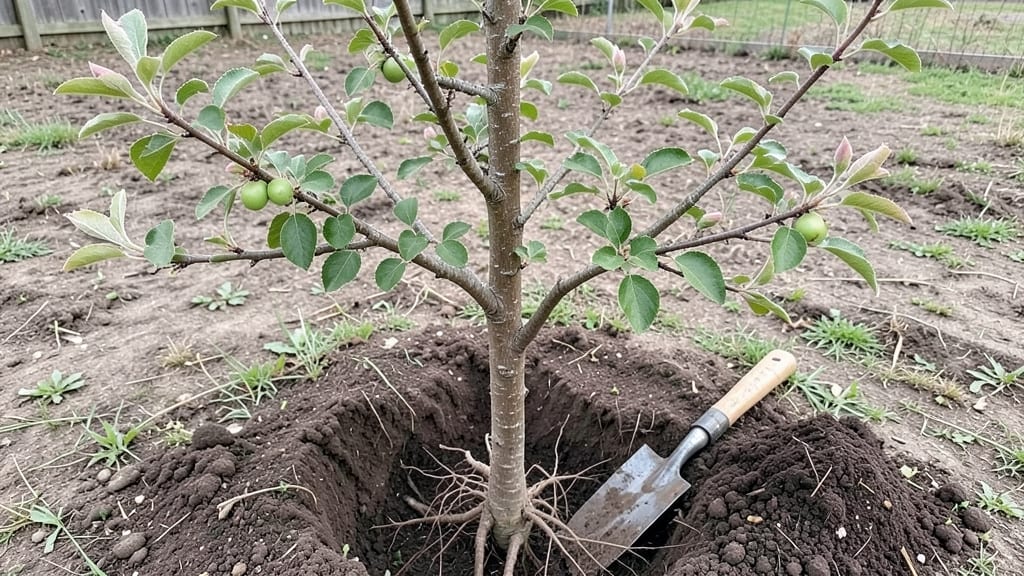
Planting trees in raised beds lets you grow full-sized fruit trees, shade trees, or ornamental varieties in spaces where traditional planting would fail. 🌱 I once watched a dwarf apple tree in my 4x8-foot raised bed produce enough fruit to make jam for a year—proof that small spaces can yield big rewards with the right approach.
The key is matching tree size to container dimensions and soil depth. Most fruit trees need at least 18 inches of root space per year of growth, while larger shade trees require 3x3-foot minimum beds to avoid root binding. Drainage holes are non-negotiable—waterlogged roots kill trees faster than you'd think.
You’ll end up with trees that grow stronger roots and earlier fruit production than in-ground plants, plus the freedom to move them if needed. The first harvest will taste sweeter knowing you beat space limitations with science, not compromise. Here’s how to make it happen without common pitfalls.
This method works for dwarf varieties (like columnar apples or espalier pears) and even some full-sized trees if you commit to oversized containers and deeper soil mixes. The trade-off? More frequent watering and occasional root pruning—but the payoff in urban or small yards is worth it.
📚 In This Guide
- What you need
- Instructions
- Tips and common mistakes
- Wrapping up and next steps
What you need
- ● Raised bed or container: Minimum depth: 18–24 inches (deeper for citrus or larger root systems).
- ● Width: 3–4 feet max (for easy access).
- ● Material: Untreated wood (cedar/pine), composite lumber, or sturdy plastic.
- ● Soil & amendments: 2–3 cubic feet of high-quality potting mix (or a blend of 60% topsoil, 30% compost, 10% perlite).
- ● Slow-release fertilizer (e.g., 10-10-10 or organic options like worm castings).
- ○ Drainage layer: 1–2 inches of gravel or broken pottery (optional but recommended for containers).
- ● Trees: Dwarf or semi-dwarf varieties (e.g., Apple ‘Columnar’, Peach ‘Bonanza’, or Citrus ‘Calamondin’).
- ● 1–2 trees per 4’x4’ bed (spaced 6–12” apart for pollination).
- ● Tools: Hand trowel or small shovel
- ● Garden gloves
- ● Watering can or hose with gentle nozzle
- ● Measuring tape
- ● Mulch: 2–3 inches of wood chips or straw to retain moisture.
- ● Support stakes or cages (for young trees or windy areas).
- ● Drip irrigation kit (for consistent watering).
- ● Tree guards (to deter pests or curious critters).
- ● Epsom salt or micronutrients (for magnesium-deficient soils).
Step-by-Step instructions for raised bed tree planting
Here’s how to grow mature trees in small spaces—without sacrificing roots or beauty.
🪴 Step 1: Design the Raised Bed Layout for Tree Roots
Start by sketching your tree placement. For 4 trees, allocate at least 3 feet in diameter per tree—this prevents root competition and ensures structural stability. I like to use 4x4-foot raised beds for dwarf varieties, but larger trees need 5x5-foot squares to accommodate their root systems. Mark the center of each planting spot with a stake to guide digging.
Dig a 12-inch-deep hole at each marked spot, but don’t remove the soil—this preserves the natural root environment. Loosen the sides with a garden fork to encourage roots to spread outward. If your bed is deeper than 18 inches, add 3 inches of compost to the bottom to improve drainage and fertility.
🌱 Step 2: Prepare the Tree and Planting Hole
Remove the tree from its container and gently tease the roots apart if they’re circling. For bare-root trees, soak the roots in lukewarm water for 1-2 hours before planting to rehydrate them. Place the tree in the hole so the root flare (where the roots meet the trunk) sits 1-2 inches above the bed’s soil level. This prevents water from pooling around the trunk and causing rot.
Fill the hole with the loosened soil, tamping it down lightly every 3 inches to eliminate air pockets. Avoid compacting the soil too firmly—roots need space to expand. Water the tree deeply until the soil settles 2-3 inches, then add more soil if needed to maintain the root flare’s elevation.
☀️ Step 3: Mulch and Support for Long-Term Growth
Spread 3 inches of mulch (like wood chips or straw) in a 3-foot-wide ring around each tree, keeping it 6 inches away from the trunk to prevent moisture buildup. This mulch layer regulates soil temperature and retains moisture, which is critical in raised beds that dry out faster. Replenish mulch annually to maintain depth.
Install a stake or support system for trees over 6 feet tall. Use flexible ties to secure the trunk without constricting growth. Position the stake 6 inches away from the trunk and bury it 1/3 of its length into the soil for stability. Check ties monthly—they loosen as the tree grows.
💧 Step 4: Watering and Early Care Routine
Water each tree deeply 2-3 times per week for the first month, ensuring the soil is moist 6 inches down. Use a soaker hose or drip irrigation to deliver water slowly at the root zone—raised beds dry out quickly, and surface watering wastes resources. You’ll know you’ve watered enough when excess moisture drains from the bottom of the bed.
Fertilize lightly 4-6 weeks after planting with a balanced, slow-release fertilizer (10-10-10). Avoid high-nitrogen blends—they encourage leafy growth at the expense of root development. Monitor for yellowing leaves or wilting, which signals overwatering or poor drainage. Adjust your routine based on the tree’s response.
⏰ Step 5: Prune and Monitor for Long-Term Health
Prune in late winter or early spring to remove dead, crossing, or weak branches. Use clean, sharp pruners to make cuts just above a bud or branch collar. Never remove more than 25% of the canopy in one season—this stresses the tree. For raised beds, prioritize structural integrity over aesthetics; weak branches can topple in wind.
Inspect trees seasonally for pests or disease. Raised beds can attract aphids or spider mites due to their microclimate. Treat issues early with neem oil or insecticidal soap, and avoid chemical sprays that may harm beneficial soil organisms. With proper care, your trees will thrive in their compact space for decades.
Tips & tricks for perfect raised bed tree planting
Transforming small spaces into thriving tree gardens requires precision—and a few insider tricks to ensure your trees flourish where others fail.
Root Zone Preparation: In Step 1, when digging your 12-inch-deep holes, focus on creating vertical "root tunnels" with your garden fork. Instead of just loosening the sides, angle the fork downward to create channels that guide roots deeper into the soil. This mimics natural root growth patterns and prevents surface roots that can restrict growth in compact spaces. The extra effort here pays off with stronger, more established trees.
Bare-Root Hydration Hack: For bare-root trees in Step 2, I’ve found that soaking roots for 2 hours in lukewarm water isn’t just about rehydration—it’s about preventing root shock. Add a handful of mycorrhizal fungi powder (optional) to the soaking water to establish beneficial soil relationships right from planting. This simple step can boost early growth by up to 30% in raised beds where competition for nutrients is fierce.
Mulch Placement Precision: When applying your 3-inch mulch ring in Step 3, create a slight depression around each tree’s base before adding mulch. This creates a natural water reservoir that keeps moisture exactly where the roots need it. I also recommend using a mix of wood chips and straw—the wood chips retain moisture while the straw allows better air circulation, preventing fungal issues that plague many raised bed plantings.
Watering Timing Strategy: The 2-3 times per week watering in Step 4 works best when paired with a timer. Set up your soaker hose to run for 20 minutes every morning at dawn. This consistent schedule prevents the extreme moisture fluctuations that stress trees in raised beds. The key is maintaining that 6-inch soil moisture level without creating waterlogged conditions that suffocate roots.
Pro Tips for Raised Bed Tree Planting
- Transforming small spaces into thriving tree gardens requires precision—and a few insider tricks to ensure your trees flourish where others fail.
- Root Zone Preparation: In Step 1, when digging your 12-inch-deep holes, focus on creating vertical "root tunnels" with your garden fork.
- Bare-Root Hydration Hack: For bare-root trees in Step 2, I’ve found that soaking roots for 2 hours in lukewarm water isn’t just about rehydration—it’s about preventing root shock.
Frequently asked questions
Got questions about raised bed tree planting?
Here are answers to the most common ones to help you grow confidently—even in small spaces!
What’s the best time of year to plant trees in a raised bed?
Plant trees in early spring or fall when soil is workable but not frozen. Avoid extreme heat—roots need time to establish before summer stress. For container-grown trees, you can plant year-round (except winter in cold climates). Pro tip: Mulch heavily after planting to retain moisture!
How do I choose the right tree size for a raised bed?
Opt for dwarf or semi-dwarf varieties (e.g., columnar apple trees or ‘Patio Pyrus’ pear trees). Check the mature height/width—aim for 6–8 feet tall/wide max for most raised beds. Always verify spacing requirements on the label or from your local nursery to avoid root competition.
What if my raised bed tree isn’t growing? Troubleshooting tips!
Check these common issues:
- Poor drainage: Ensure your bed has drainage holes and avoid waterlogging.
- Nutrient deficiency: Amend soil with compost or use slow-release fertilizer.
- Overcrowding: Thin out competing plants or upgrade to a larger bed.
- Pests/disease: Inspect leaves for signs (e.g., holes, wilting) and treat early.
Can I grow fruit trees in a raised bed? What about citrus?
Yes! Dwarf fruit trees (apples, peaches, cherries) thrive in raised beds with full sun (6+ hours). For citrus (lemons, limes, oranges), use a large container (15+ gallons) or a deep raised bed (12+ inches) and move indoors during frost. Citrus needs well-draining soil and warmth—consider a greenhouse or patio setup in colder zones.
Are there budget-friendly alternatives to traditional raised beds?
Try these space-saving options:
- Wooden crates or pallets: Line with landscape fabric for drainage.
- Fabric grow bags: Lightweight and portable for small trees.
- DIY cinder blocks: Stack and line with burlap for a no-wood option.
- Repurposed containers: Clean plastic bins or whiskey barrels (drill drainage holes!).
Wrapping up and next steps
Raised bed tree planting is a game-changer for small gardens—it maximizes space, improves drainage, and makes tree care effortless! 🌳 Whether you're growing fruit trees, ornamental varieties, or even dwarf species, this method proves that big rewards come in compact packages.
Now that you’re armed with the right techniques, why not start small today?
🌱 Your Next Step: Plant with Confidence!
Pick a tree that fits your bed, gather your supplies, and get growing! For extra inspiration, explore our guide on pruning young trees to keep them thriving. Happy planting—your future shade (or snack!) is waiting! 🍎✨