
Watering
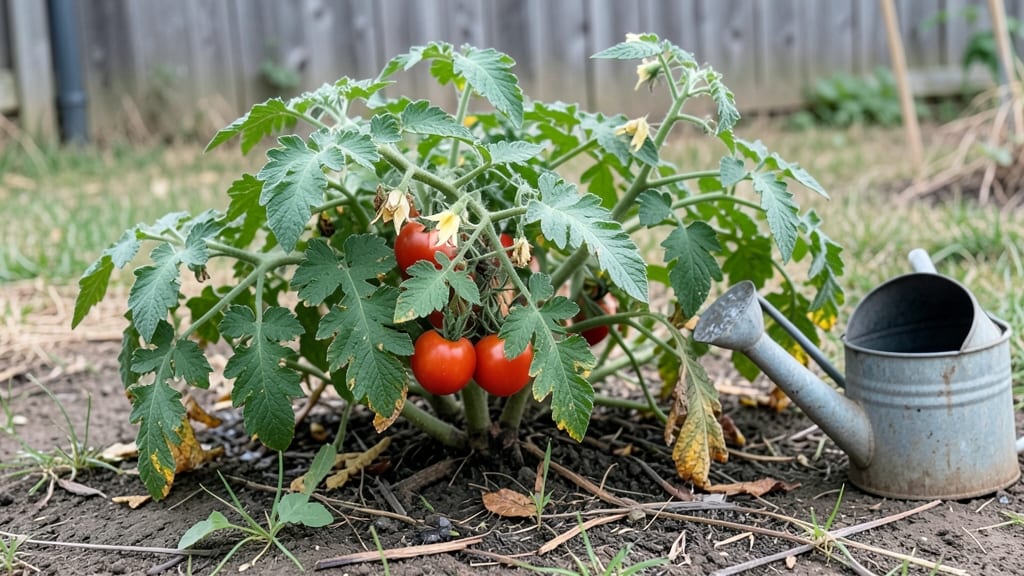
Learn how to fix overwatered tomato plants—even when the leaves look sad and the soil smells sour, because the secret lies in three targeted moves that stop the rot and restart growth. 🌱 I’ve nursed back plants that seemed doomed, and now I’ll share exactly what worked.
The key is acting fast before the roots suffocate.
First, diagnose the damage: yellowing leaves, wilting despite wet soil, or a foul odor mean roots are drowning. Drain excess water immediately, then let the soil dry out completely before watering again. For container plants, check drainage holes—if they're clogged, roots can't breathe, no matter how careful you are.
You'll see new signs of life within days: firmer stems, brighter green leaves, and even tiny new shoots. The real fix comes from amending the soil with compost to improve aeration and adding perlite or coarse sand to prevent future soggy pockets. A balanced fertilizer helps too—just don't overdo it.
Prevention is simpler than rescue: water deeply but less often, and always check soil moisture before reaching for the hose. Mulch helps too by keeping moisture steady without smothering roots. With these adjustments, your tomatoes will bounce back—and stay happy.
Root Causes of Overwatered Tomatoes
Overwatering tomato plants isn’t just about giving them too much H₂O—it’s a chain reaction triggered by poor soil conditions, human habits, and even environmental quirks. Understanding why this happens is the first step to preventing it. Let’s dig into the science behind soggy soil and suffocating roots.
Tomatoes thrive in well-draining soil, but many gardeners unknowingly plant them in containers or beds that act like sponges. Here’s why drainage fails:
- Clay-heavy soil: Clay particles pack tightly, trapping water and blocking oxygen. Even after rain or watering, roots can’t breathe because excess moisture displaces air pockets.
- Compacted soil: Foot traffic, machinery, or poor organic matter (like mulch) compresses soil, reducing pore space. Roots suffocate because water can’t escape downward.
- Improper containers: Pots without drainage holes or those made of non-porous materials (like solid plastic) create a waterlogged prison for roots. Even "self-watering" pots can backfire if not monitored.
💡 Pro Tip: Test your soil’s drainage by filling a jar with soil and water, then timing how long it takes to drain. If it takes more than 30 minutes, amend with perlite, sand, or compost.
Most gardeners think they’re helping—but consistent overwatering is a common mistake. Here’s how it spirals out of control:
- Fixed schedules: Watering on a timer or clock (e.g., every morning at 8 AM) ignores real-time needs. Tomato water needs vary by stage of growth, weather, and soil type.
- Ignoring soil moisture: Sticking your finger 1–2 inches deep into the soil tells you more than guessing. If it’s damp, wait. Overwaterers often assume "a little more can’t hurt"—but it does.
- Mulch misapplication: While mulch conserves moisture, too much (especially thick layers) suffocates roots by trapping humidity against the soil. Aim for 2–3 inches max of organic mulch.
🌡️ Key Stat: Tomato roots need 10–15% air in the soil. Overwatering drops this to 5% or less, triggering rot within 24–48 hours.
Rain, humidity, and temperature play sneaky roles in overwatering. Even the most careful gardener can fall victim to:
- Heavy rainfall: A 1-inch rainstorm can deliver the same water as three manual waterings. If you water afterward, you’re double-dosing the roots.
- High humidity: Air saturated with moisture slows evaporation from soil. In tropical climates, plants may need half the water compared to dry regions.
- Cooler temperatures: Below 60°F (15°C), tomato roots absorb water slower. Overwatering in these conditions leads to waterlogging before roots can process it.
✨ Solution: Use a rain gauge to track precipitation and adjust watering accordingly. In humid areas, water in the morning to allow foliage to dry before nightfall.
Now that you know the why, the next step is fixing it—without losing your plants. Stay tuned for actionable steps to revive soggy roots and restore balance to your tomato garden!
Revive Your Tomatoes Now
Overwatered tomato plants can feel like a death sentence, but with the right moves, you can nurse them back to health—often faster than you think! The key is acting quickly, diagnosing the root cause (literally), and applying targeted fixes.
Below, we break down exact solutions for the most common signs of overwatering, plus pro tips to keep your plants thriving long-term.
Cause: Soggy soil cuts off oxygen to roots, causing leaves to turn yellow (especially lower ones) and wilt.
Fix:
- 🔥 Stop Watering Immediately
- No more H₂O until the soil dries out. Overwatering is like drowning your plants—cut it off to let roots breathe.
- 🍳 Fluff and Loosen Soil
- Gently loosen the top 2–3 inches of soil with a fork or your fingers. This helps excess water evaporate and improves airflow to roots.
- 👨🍳 Elevate the Pot (If Potted)
- Place pots on bricks, saucers, or a raised stand to prevent water pooling. If in-ground, mound soil around the base to create better drainage.
- ⏰ Wait for Soil to Dry
- Stick your finger 1–2 inches deep. If it’s damp, wait 1–2 days before watering again. Test: Lift the pot—if it’s heavy, it’s still too wet.
💡 Prevention Tip:
- 🌡️ Water in the Morning Only (never at night). Evening watering traps moisture, promoting fungal diseases like blight.
- ✨ Use a Moisture Meter ($10 on Amazon) to avoid guesswork. Aim for 40–60% moisture in the root zone.
Cause: Root rot (from prolonged sogginess) weakens stems, making them mushy or collapse under their own weight.
Fix:
- 🔪 Prune Damaged Foliage
- Snip off yellow, black, or mushy leaves with sterilized scissors. This redirects energy to healthy growth.
- 🌿 Repot or Transplant (If Severe)
- If roots smell foul or look brown/mushy, repot into fresh, sterile potting mix (add perlite or vermiculite for drainage).
- For in-ground plants, dig up the root ball, trim rotted roots with a clean knife, and replant in a drier spot.
- 💧 Water Lightly and Deeply
- Once roots recover (7–10 days), water only when the top inch of soil is dry. Use a drip irrigation system or soaker hose to avoid wetting leaves.
🎯 Prevention Tip:
- 📊 Choose Well-Draining Soil: Mix compost with coco coir or sand (50/50 ratio) for potted tomatoes.
- 🥗 Avoid Mulch Piles: Keep mulch 2–3 inches away from the stem to prevent moisture buildup.
Cause: Excess moisture creates the perfect breeding ground for early blight, late blight, or powdery mildew.
Fix:
- 🧼 Clean Up Debris
- Remove all fallen leaves, stems, or fruit touching the soil. Fungal spores hitchhike on organic matter!
- 🌡️ Boost Airflow
- Prune crowded branches to improve circulation. Space plants 18–24 inches apart.
- 💊 Apply Fungicide (Organic or Chemical)
- DIY Spray: Mix 1 tsp baking soda + 1 quart water + a drop of dish soap. Spray leaves every 7–10 days.
- Store-Bought: Use copper fungicide or neem oil (follow label rates).
✨ Prevention Tip:
- 🔥 Water at the Base Only—never overhead. Use a watering wand to direct streams to soil.
- 🌿 Rotate Crops—don’t plant tomatoes in the same spot yearly to break fungal cycles.
If your plant is critically overwatered (roots black/mushy, stems hollow), try this last-resort fix: 1. 🌱 Root Pruning & Hormone Boost - Trim all rotted roots, then dip healthy roots in rooting hormone (optional but helps).
- 🍅 Replant in Fresh Soil - Use a 50/50 mix of potting soil + perlite to prevent repeat sogginess.
- 🌡️ Move to a Sunny, Dry Spot - Place in full sun (6+ hours/day) and avoid watering for 5–7 days to let roots adjust.
⚠️ Warning: Severely rotted plants may not recover. If >50% of roots are gone, it’s kinder to start fresh.
Final Pro Tip: 💡 Test Your Soil’s Drainage Fill a pot with your soil, add water, and time how long it takes to drain. Ideal: Water drains within 10–30 minutes. If it pools, amend with sand or peat moss.
You’ve got this! With these steps, your tomatoes will bounce back—often with bigger, sweeter fruit as a reward for your rescue efforts. 🍅🔥
Frequently asked questions
How do I know if my tomato plant is overwatered?
Check for yellowing leaves (especially lower ones), wilting despite wet soil, or a foul odor from the roots. If the soil feels soggy or water pools in the pot, you're overdoing it. Tap the pot—if it feels heavy, it's too wet.
Can I save a tomato plant with root rot?
Yes, but act fast! Trim all black/mushy roots with clean scissors, then repot in fresh, well-draining soil (mix potting soil with perlite). Avoid watering for 5–7 days to let roots recover. If >50% of roots are rotted, the plant may not survive.
Why do my tomato leaves turn yellow after watering?
Yellow leaves often signal overwatering or nutrient deficiency. If the soil is soggy, cut back on water and improve drainage. If leaves are pale yellow, it may be nitrogen deficiency—try a balanced fertilizer like 10-10-10. Test soil moisture before watering.
How often should I water tomato plants?
Water deeply 1–2 times per week, depending on weather and soil type. Check soil moisture by sticking your finger 1–2 inches deep—water only when dry. In hot climates, morning watering is best; in cooler areas, every 3–4 days may suffice.
Can I use coffee grounds to fix overwatered tomatoes?
Coffee grounds can help long-term by improving soil structure, but they won’t fix immediate overwatering. Use them as a soil amendment (mix into top 2 inches) to boost drainage and microbial activity. For soggy soil, focus first on drying it out and adding perlite.