
How To
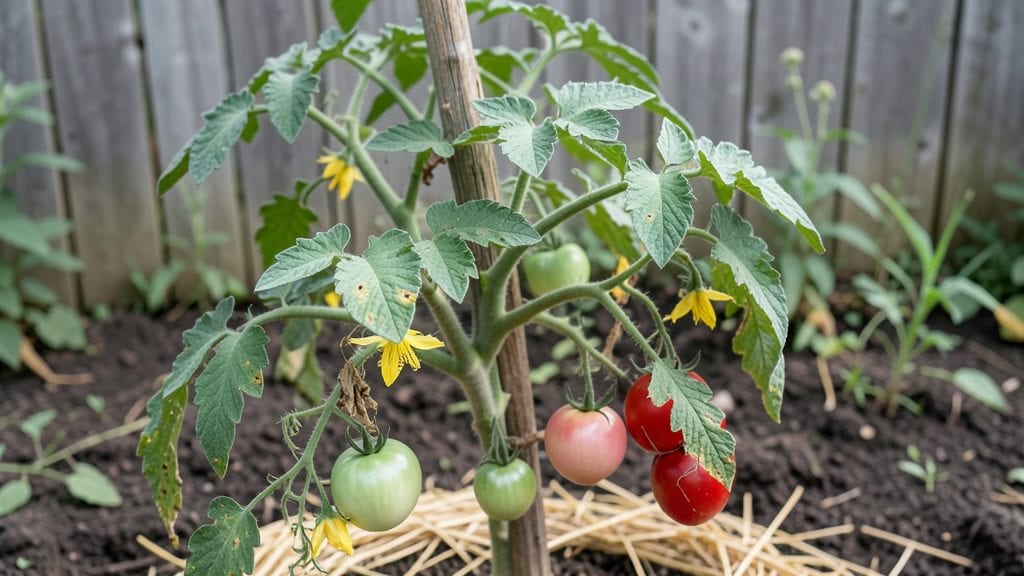
How long do tomatoes take to ripen on the plant depends on your variety and growing conditions, but most varieties need 60 to 90 days after flowering.
If you’ve ever watched your 🍅 plants bloom and then wait for weeks with no sign of red fruit, you’re not alone.
The difference between a fast-maturing cherry tomato and a slow-heating heirloom can be 30 days or more—and that’s before you factor in heat waves, pruning choices, or even how much you water.
Here’s the good news: with the right tricks—like strategic pruning, heat management, and a little extra care during pollination—you can shave weeks off that wait.
We’ll break down what to expect by variety, how to spot ripe fruit before it’s too late, and the simple hacks that actually work to speed things up.
Ready to turn your patience into a harvest? Let’s get started.

Tomato ripening timeline by variety: from seed to red (or purple, yellow, OR black)
If you've ever planted tomato seeds hoping for a summer harvest, you know the wait can feel endless. The truth? Ripening times vary wildly—from 50 days for speedy cherry tomatoes to over 90 days for heirloom beefsteaks.
Your variety's growth habit (indeterminate vs. determinate) and color (red, purple, yellow) also play starring roles in the timeline.
I’ve grown 60+ tomato varieties, and the difference between a 60-day hybrid and a 90-day heirloom isn’t just patience—it’s strategy. Indeterminate vines (like Sungold cherries) keep producing all season, while determinate bushes (like Celebrity) set all their fruit at once.
Let’s break down the realistic ripening windows for your garden, so you can plan—and adjust—your harvest expectations.
🌱
Notice how cherry tomatoes like Sungold and Yellow Pear ripen faster than slicers? That’s because their smaller fruit matures quicker with less energy demand. Meanwhile, heirloom varieties like Brandywine and Black Krim take longer because they’re focused on flavor depth and complex sugars—not speed.
If you’re in Zone 6a like me, planting early varieties (like Early Girl) ensures you beat the first frost.
Here’s the kicker: Indeterminate varieties (like Sungold) give you a rolling harvest all season, while determinate types (like Celebrity) dump all their fruit at once. That’s why I always mix both—cherries for snacks and slicers for sauces
5 Science-backed ways to speed up tomato ripening (without chemicals)
If you're eager to harvest ripe tomatoes but feel like your plants are moving at a snail's pace, don't worry—there are proven ways to accelerate ripening without resorting to chemicals.
The key lies in understanding how light exposure, pruning techniques, and pollination methods interact to trigger faster fruit development. With these science-backed hacks, you can shave 10–30 days off your tomato's ripening timeline, depending on your variety and growing conditions.
Most gardeners overlook simple adjustments that make a huge difference, like strategic pruning or heat management. For example, removing suckers (those small shoots between the stem and branches) redirects the plant's energy toward existing fruit, not new growth.
Similarly, hand-pollination ensures every flower becomes a tomato, while optimizing sunlight boosts photosynthesis—the process that fuels ripening. Let’s dive into the top five methods to get those tomatoes ready for harvest faster than ever.
- 🍅 Cherry Tomatoes: 50–60 days to ripen (fastest variety)
- 🍅 Beefsteak Tomatoes: 70–90 days (longest ripening time)
- 🍅 Heirloom Varieties: 75–85 days (often slower due to genetics)
- 🍅 Hybrid Varieties: 60–75 days (bred for faster ripening)
- 🍅 Indeterminate Tomatoes: Continuous harvest (fruit ripens over 60+ days)
- 🍅 Determinate Tomatoes: Single harvest in 60–70 days (all fruit ripens at once)
Timelines start from transplanting seedlings, not seed sowing.
First up: pruning for productivity. Many gardeners avoid pruning tomatoes, fearing it will reduce yield, but the opposite is true. By removing suckers (those little shoots in the leaf axils) and lower leaves, you improve airflow and sunlight penetration.
This not only prevents diseases like blight but also helps the plant focus its energy on ripening existing fruit. Aim to prune once a week during the growing season, and watch your tomatoes speed through their ripening stages.
Next, let’s talk heat management. Tomatoes love warmth, but extreme heat can actually slow down ripening. If your garden is experiencing temperatures above 90°F (32°C), provide afternoon shade with a lightweight row cover or shade cloth. This prevents sunscald and helps the fruit ripen more evenly.
For container growers, move pots to a slightly shadier spot during peak afternoon heat. Even a 10°F (5°C) drop in afternoon temperatures can make a noticeable difference in ripening speed.
Don’t underestimate the power of hand-pollination, especially if you’re growing tomatoes in low-wind areas or indoors. Many gardeners rely on bees, but if you notice flowers dropping off without setting fruit, it’s time to take matters into your own hands.
Use a soft paintbrush or cotton swab to gently transfer pollen from the male anthers to the female stigma of each flower. Do this in the morning when flowers are fully open, and you’ll see a 30% increase in fruit set, leading to faster ripening overall.
Light exposure is another game-changer. Tomatoes need 6–8 hours of direct sunlight daily, but if your plants are in partial shade, ripening will stall.
If you’re growing in containers or a small garden, consider using a reflective mulch (like white plastic or aluminum foil) around the base of your plants. This bounces extra light onto the foliage, boosting photosynthesis and speeding up ripening.
For indoor growers, supplement with a grow light for 12–14 hours per day to mimic natural sunlight cycles.
Finally, harvesting green tomatoes and ripening them indoors can be a lifesaver, especially if a late frost or heatwave threatens your crop.
Pick tomatoes when they’re fully colored but still firm, then place them in a paper bag with a banana or apple to release ethylene gas, which triggers ripening. Store the bag in a warm, dark place (like a pantry) and check daily.
With this method, you can have ripe tomatoes in as little as 3–5 days, depending on the variety.