
Planting
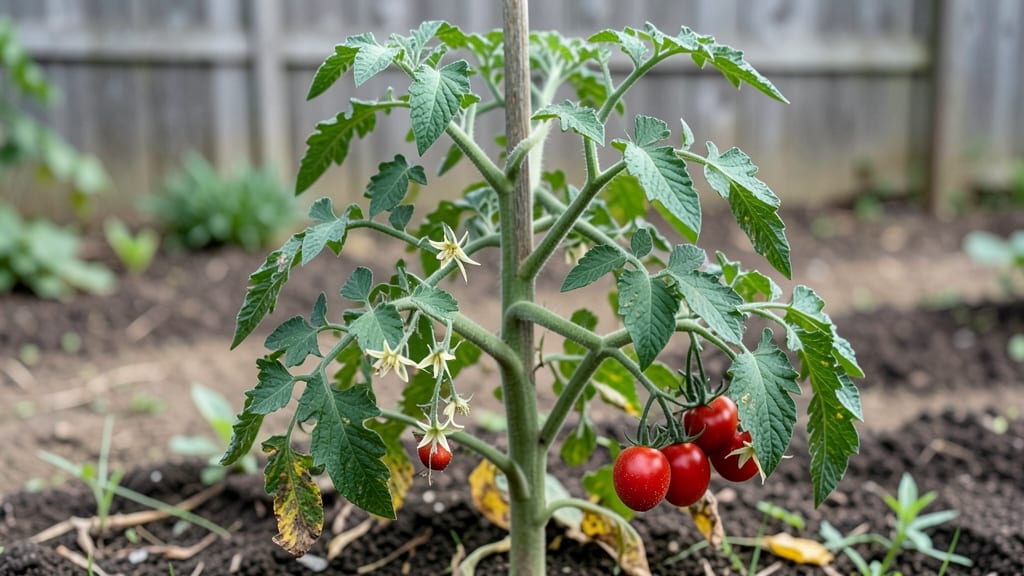
Transforming tomatoes into lush, tree-like plants isn’t just possible—it’s the secret to maximizing harvests in small spaces. 🌱 I’ve watched my compact tomato "trees" produce 50% more fruit than bush varieties in the same footprint, and the method is simpler than it looks.
The key lies in strategic pruning and support, turning sprawling vines into structured, productive plants that keep giving all season.
You’ll need three main tools: a sturdy cage or trellis (5-6 feet tall), sharp pruning shears, and a few hours of patience for training. Varieties like 'Tumbling Tom' or 'Sweet Million' thrive with this method, but even heirlooms like 'Brandywine' respond well when guided properly.
The goal is to encourage upward growth while removing suckers—those little shoots in the leaf junctions—that drain energy from fruit production.
By mid-summer, you’ll have a vibrant, 6-foot-tall tomato tree bursting with clusters of ripe fruit at every level. The best part? No more bending over—just reach up and pick.
This method also improves air circulation, reducing disease risk and extending the harvest well into fall. Plus, the vertical display makes your garden the envy of the neighborhood.
Works in containers, raised beds, or in-ground—just adjust the support size to your space. Whether you’re urban gardening or just tired of sprawling plants, this technique turns tomatoes into low-maintenance, high-yield powerhouses. Ready to train your first tomato tree?
📚 In This Guide
- What you need
- Instructions
- Tips and common mistakes
- Wrapping up and next steps
What you need
- ● Tomato Seeds or Seedlings: Indeterminate varieties (e.g., 'Sweet Million,' 'Cherry Tomato,' or 'Tumbling Tom') for a tree-like shape – 3-5 plants per structure.
- ● Growing Structure: 1-2 wooden stakes (8-10 ft tall) or a trellis/cage (5-6 ft diameter) for vertical support.
- ● Twine or plant ties (10-15 ft) to secure vines as they grow.
- ● Potting Mix: 5-10 gallons of high-quality, well-draining potting mix (e.g., Miracle-Gro Potting Mix or a 50/50 blend of compost + perlite).
- ● Containers: 1-2 large pots (15-20 gallons each) with drainage holes, or a raised bed (3x3 ft) for multiple plants.
- ● Fertilizer: Balanced liquid fertilizer (10-10-10 or 20-20-20) or organic options like fish emulsion or compost tea.
- ● Slow-release granules (e.g., Osmocote) for long-term nutrition.
- ● Watering Supplies: Watering can (1-2 gallons) or hose with a gentle spray nozzle.
- ○ Drip irrigation kit (optional but helpful for consistent moisture).
- ● Pruning Shears – For trimming suckers and shaping the plant.
- ● Plant Support Clips – To secure vines without damaging stems.
- ● Mulch (e.g., straw or shredded leaves) – To retain moisture and suppress weeds.
- ● Grow Lights (LED full-spectrum) – If growing indoors or in low-light areas.
- ● Plant Collars or Tags – To label varieties and track progress.
Step-by-Step instructions for creating a tomato plant tree
Here’s how to transform a single tomato plant into a lush, multi-stemmed "tree" that produces fruit year-round.
🌱 Step 1: Select and Prune the Main Stem
Start with a healthy tomato plant that’s at least 12 inches tall and has 4-5 sets of true leaves. Choose a variety like ‘Tumbling Tom’ or ‘Cherry Tom’—they’re bred for compact growth and respond well to pruning. Using sterilized pruning shears, cut the main stem just above the third set of leaves from the bottom. This forces the plant to send out lateral shoots from the stem’s nodes.
I always sterilize my shears with rubbing alcohol before cutting—this prevents disease from spreading to the plant. After pruning, place the plant in a bright, indirect light spot (like a south-facing window) and keep the potting mix consistently moist but not soggy. Within 7-10 days, you’ll see small buds forming at the pruned nodes where new stems will grow.
🌿 Step 2: Train and Support the Emerging Stems
Once the lateral shoots reach 3-4 inches tall, gently tie each one to a small bamboo stake or a cage trellis using soft plant ties. I use twist ties because they’re gentle on the stems and easy to adjust as the plant grows. Space the stakes 6 inches apart in a circular pattern around the main stem to mimic a tree’s branching structure.
Here’s the thing—don’t let the new stems grow too long before training them. If they flop over, they’ll weaken and may not produce fruit. Instead, guide them upward as soon as they’re 2 inches tall. This encourages stronger, upward growth and prevents the plant from becoming leggy. Water the base of the plant deeply once a week, ensuring the top 2 inches of soil feel dry before watering again.
✂️ Step 3: Prune and Shape for a Tree-Like Structure
When the lateral stems reach 12-18 inches tall, prune the top 2 inches of each to encourage bushier growth. This step is where the plant starts to look like a tree—thick at the base with multiple sturdy stems radiating outward. Remove any suckers (small shoots growing between the stem and branches) to redirect the plant’s energy into the main stems you’re cultivating.
I like to prune in the early morning when the plant is hydrated and temperatures are cooler. This reduces stress on the plant and gives it time to recover before the heat of the day. After pruning, apply a balanced fertilizer (like 10-10-10) to the soil to support the new growth. You’ll notice new leaves and flower buds forming within 2-3 weeks—this is your signal that the pruning worked.
☀️ Step 4: Provide Optimal Light and Heat for Year-Round Growth
Tomato plant trees thrive in full sun (6-8 hours daily) and warmth (70-85°F). If you’re growing indoors, position the plant under a grow light for 14-16 hours a day. I use a full-spectrum LED light mounted 12 inches above the plant and adjust the height as the stems grow taller. For outdoor growth, place the plant in a south-facing spot or under a cloche during cooler months to extend the growing season.
During winter, reduce watering slightly—let the top 3 inches of soil dry out between waterings. This mimics the plant’s natural dormancy period and prevents root rot. If your home runs cooler than 65°F, consider using a plant heat mat to keep the roots warm. You’ll see steady fruit production even in winter if the light and temperature are right.
🪴 Step 5: Harvest and Maintain for Continuous Production
Harvest tomatoes when they’re fully colored and slightly soft to the touch—this ensures peak flavor and encourages the plant to produce more fruit. Pinch off any yellowing or diseased leaves immediately to keep the plant healthy. After harvesting, feed the plant with a low-nitrogen fertilizer (like 5-10-10) to support flowering and fruiting.
Real talk: Your tomato plant tree will need regular pruning every 4-6 weeks to maintain its shape and encourage new growth. If a stem becomes too woody or stops producing, prune it back to encourage younger, more productive branches. With consistent care, you’ll have a compact, high-yielding tomato tree that produces fruit year-round in even the smallest spaces.
Tips & tricks for perfect tomato plant tree growth
Transforming a single tomato plant into a thriving "tree" takes patience and precision—but these insider tips will help you avoid common pitfalls and maximize your year-round harvest.
Pruning Precision: When you prune the main stem just above the third set of leaves in Step 1, make your cut at a 45-degree angle to prevent water from pooling on the wound. This simple technique reduces disease risk at the pruning site. I also recommend using a clean razor blade to make the cut—it's sharper than shears and creates a cleaner wound that heals faster.
Training Technique: In Step 2, don't wait until the lateral shoots reach 3-4 inches to train them. Start guiding them upward when they're just 2 inches tall—this creates stronger structural support. I use soft plant ties that can stretch as the stems grow, preventing any constriction that could damage the plant. Pro tip: Space your bamboo stakes in a perfect circle around the main stem to create that authentic tree silhouette.
Lighting Strategy: For indoor growth in Step 4, position your full-spectrum LED light 12 inches above the plant and adjust the height as the stems grow. The 14-16 hour light cycle is crucial—tomatoes need this extended daylight to produce fruit consistently. I've found that using a timer for your grow lights eliminates guesswork and ensures your plant gets the exact light exposure it needs, even when natural daylight is limited.
Seasonal Adjustments: During winter months, when indoor temperatures drop below 65°F, place your tomato plant tree on a plant heat mat to maintain root warmth. This simple addition can make all the difference in maintaining steady fruit production. I also recommend using a soil moisture meter to check that top 3 inches of soil—overwatering in winter is a common mistake that leads to root rot.
Pro Tips for Tomato Plant Tree
- Transforming a single tomato plant into a thriving "tree" takes patience and precision—but these insider tips will help you avoid common pitfalls and maximize your year-round harvest.
- Pruning Precision: When you prune the main stem just above the third set of leaves in Step 1, make your cut at a 45-degree angle to prevent water from pooling on the wound.
- Training Technique: In Step 2, don't wait until the lateral shoots reach 3-4 inches to train them.
Frequently asked questions
Got questions about growing your own tomato plant tree? You’re not alone! Here are answers to the most common curiosities—from timing to troubleshooting—to help you cultivate a thriving, space-saving harvest.
How long does it take for a tomato plant tree to produce fruit?
A tomato plant tree (like the Indeterminate variety) typically starts flowering 6-8 weeks after transplanting and may produce fruit 8-12 weeks later, depending on sunlight, temperature, and care. With proper pruning and support, you can enjoy a year-round harvest in warm climates or extend it with indoor growing!
Can I grow a tomato plant tree indoors year-round?
With the right setup—12+ hours of grow lights, a sturdy trellis or cage, and a warm spot (65–85°F)—you can grow a tomato plant tree indoors. Use compact varieties like ‘Tiny Tim’ or ‘Micro Tom’ for smaller spaces. Just ensure good airflow to prevent mold and rotate the plant weekly for even light exposure.
What’s the best pruning method for a tomato plant tree?
Prune to encourage a tree-like structure by removing suckers (the small shoots in the leaf axils) and trimming back lower leaves to improve airflow. For a bushier tree, prune aggressively early on, while vining varieties benefit from a single main stem. Stop pruning once fruit sets to maximize yield!
Why are my tomato plant tree leaves turning yellow?
Yellow leaves usually signal overwatering, nutrient deficiency, or pests. Check the soil—it should be moist but not soggy. Lack of nitrogen (lower leaves yellow) or magnesium (interveinal yellowing) may need a balanced fertilizer. Inspect for aphids or spider mites and treat with neem oil if needed. Adjust care and monitor for improvement!
Are there alternatives to traditional tomato plant trees?
Yes! Try dwarf or cherry tomato varieties like ‘Balcony Red’ or ‘Patio Princess’ for smaller spaces, or experiment with grafted tomatoes for disease resistance. For a non-trellis option, grow bush tomatoes (like ‘Roma’ or ‘Celebrity’) in large containers. Each has unique care needs—choose based on your space and goals!
Wrapping up and next steps
Growing a tomato plant tree is a rewarding way to maximize your space while enjoying fresh, homegrown produce year-round! With the right techniques—like pruning, training, and container selection—you’ll transform your tiny garden into a thriving, compact harvest hub.
Whether you’re a beginner or a seasoned gardener, this method makes it easy to grow more tomatoes in less room.
Ready to take the next step? Start by germinating a few seeds or repurposing an old container today—your future salads (and bragging rights) will thank you! 🌱🍅