
Lawn
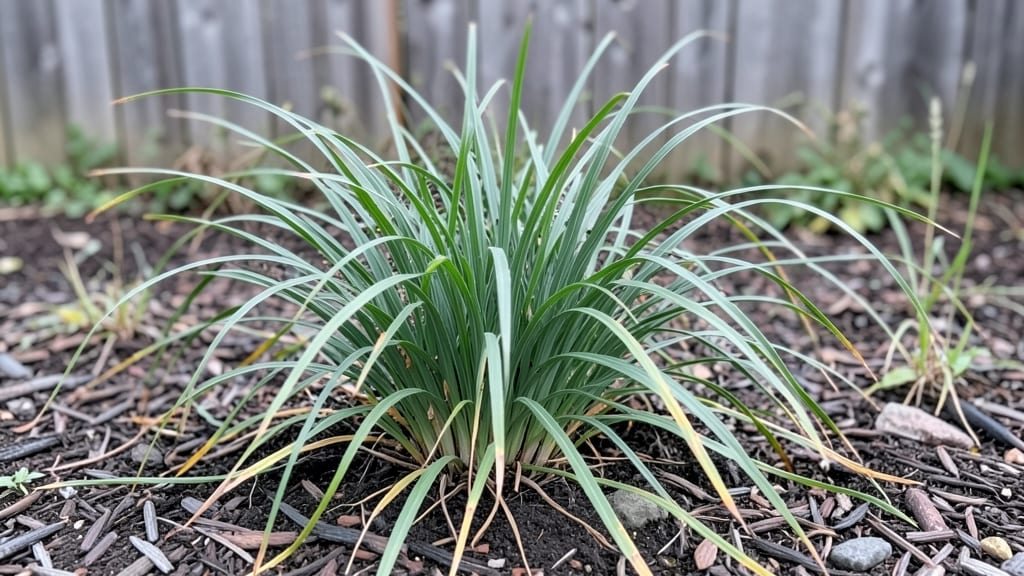
How to grow a lemon grass plant from a single stalk delivers fragrant kitchen gold in just 60 days—no fancy greenhouse needed. I learned this the hard way after my first attempt rotted in soggy soil, but now I’ve perfected a foolproof method that works even in small pots.
The secret lies in mimicking its tropical roots: warm soil, consistent moisture, and bright, indirect light that keeps those signature leaves lush and vibrant.
You’ll need just three things to start: a healthy lemon grass stalk (with roots intact), well-draining potting mix, and a container at least 6 inches deep. No need for expensive soil—regular garden mix with a handful of sand works perfectly.
Plant the stalk 2 inches deep, water lightly, and place it where it gets 4-6 hours of sunlight daily. Within 2-3 weeks, you’ll see new shoots pushing through, and by day 60, you’ll be harvesting stalks for curries, teas, or even homemade candles.
The real magic happens when you understand what lemon grass hates—cold drafts, waterlogged roots, and overcrowding. Yellowing leaves? That’s usually too much water or not enough light. Slow growth? It might need a bigger pot.
But once you get the rhythm right, you’ll have more stalks than you know what to do with, and your kitchen (or garden) will smell like a Thai street market every time you brush past it.
This method works year-round in USDA zones 9-11, but if you’re in cooler climates, grow it as an annual or bring pots indoors near a sunny window.
The best part? You can divide the stalks every few months, turning one plant into a dozen without spending a dime. Ready to grow your own fragrant harvest?
📚 In This Guide
- What you need
- Instructions
- Tips and common mistakes
- Wrapping up and next steps
What you need
- ● Lemon grass plant: 1 healthy stalk (from a nursery or a trusted grower). Look for firm, green stalks with no yellowing or soft spots.
- ● Pot or container: 1 medium-sized pot (12–16 inches in diameter) with drainage holes. Alternative: A raised garden bed if planting outdoors.
- ● Potting soil: 1 bag of well-draining, organic potting mix (avoid heavy clay soil). Pro tip: Mix in perlite or sand for extra drainage!
- ● Watering can or spray bottle: For gentle, even watering. Lemon grass hates soggy roots!
- ● Fertilizer: A balanced, water-soluble fertilizer (10-10-10 ratio) or organic compost. Use sparingly—over-fertilizing can harm the plant.
- ● Pruning shears or sharp knife: For trimming mature stalks (sterilize with rubbing alcohol first!).
- ● Sunlight access: A sunny spot (6+ hours of direct sunlight daily). Lemon grass thrives in warmth—think tropical vibes!
- ● Mulch: Straw or shredded leaves to retain moisture and regulate soil temperature.
- ● Grow lights: If indoors and sunlight is limited, a full-spectrum LED grow light works wonders.
- ● Soil moisture meter: To check if your lemon grass is getting just the right amount of hydration.
- ● Pest control: Neem oil or insecticidal soap (if aphids or mites become a nuisance).
- ● Second pot: For propagating new stalks from cuttings—double the harvest!
Step-by-Step instructions for growing lemon grass plant
Here’s how to cultivate vibrant, harvest-ready lemon grass in just two months—no green thumb required.
Choose the Right Container and Soil Setup
Lemon grass thrives in warm, well-draining soil and needs a container at least 6 inches deep with drainage holes. I use a 12-inch diameter pot for each stalk, filled with a mix of 3 parts potting mix and 1 part perlite to prevent root rot. The perlite keeps roots aerated while retaining moisture—critical for tropical plants.
Fill the pot halfway with the mix, then tap it gently to settle. Avoid compacting the soil too much; lemon grass roots need room to spread. Add a slow-release fertilizer (like 5-10-5) to the mix for a steady nutrient boost. This ensures strong growth from the start without overfeeding.
Plant the Lemon Grass Cuttings
Use 3-inch long stalks from a mature lemon grass plant, cutting just below a node where roots will emerge. Remove the lower leaves to expose the nodes, then trim the base at a 45-degree angle to maximize root surface area. Plant 1-2 inches deep in the soil, pressing lightly to secure.
Space multiple stalks 4-6 inches apart if using a larger container. Water immediately after planting until the soil feels evenly moist—not soggy, but damp all the way through. Lemon grass hates soggy roots, so ensure excess water drains freely. Place the pot in a warm, sunny spot (or under grow lights) to encourage rooting.
Provide Warmth and Consistent Moisture
Lemon grass needs warmth to grow, ideally 70-85°F. If your home runs cooler, place the pot on a seedling heat mat or near a sunny window. Keep the soil consistently moist—water when the top inch feels dry, but avoid letting it dry out completely. Overwatering is worse than underwatering here.
After 2-3 weeks, you’ll see new growth at the base. This means roots have taken hold. Once the stalks reach 12-18 inches tall, they’re ready for their first harvest. The key is patience—rushing the process leads to weak, brittle stalks. A light misting in the morning helps mimic tropical humidity without drowning the roots.
Harvest and Encourage Regrowth
Harvest when stalks are 12-18 inches tall and at least ½-inch thick. Cut just above the soil line with clean scissors or a knife. The plant will regrow from the base, producing 2-3 new stalks over the next 4-6 weeks. This cycle repeats, giving you a steady supply.
After harvesting, fertilize lightly with a balanced liquid fertilizer (like 10-10-10) diluted to half strength. This jumpstarts regrowth. Lemon grass is hardy—it’ll keep producing for years if given enough warmth and water. Just avoid freezing temperatures, and you’ll have fresh stalks year-round.
Maintain and Troubleshoot Common Issues
Yellowing leaves usually mean overwatering or nutrient deficiency. Let the soil dry slightly between waterings, and add a balanced fertilizer every 4-6 weeks. Brown tips? That’s often fluoride buildup from tap water. Switch to rainwater or distilled water to keep leaves crisp and green.
If stalks grow leggy or weak, they need more light. Move the pot to a sunnier spot or supplement with a grow light for 12-14 hours daily. Lemon grass is forgiving, but it rewards consistency. With the right care, you’ll have harvest-ready stalks every 60 days—perfect for teas, cooking, or garnishes.
Tips & tricks for perfect lemon grass growth
Here's what I've learned from growing lemon grass successfully—these little details make all the difference between a struggling plant and a thriving harvest.
Soil Preparation Matters: When mixing your 3 parts potting mix to 1 part perlite in Step 1, don't skip the tapping step. Gently tapping the pot after filling it halfway helps settle the soil without compacting it too much. This creates the perfect air pockets lemon grass roots need to breathe while still holding moisture. I've seen roots struggle when soil is too tightly packed—it restricts their ability to spread properly.
Rooting Secrets in Step 2: That 45-degree angle cut on the stalk base isn't just decorative—it's crucial. The angled cut increases surface area for root development, which is why your 3-inch stalks establish so well. After planting, I like to add a small handful of perlite around the base to encourage root growth. This extra aeration helps prevent rot while the roots are getting established.
Temperature Control: While the ideal range is 70-85°F, I've found that maintaining the upper end of this range (closer to 85°F) during the first 2-3 weeks speeds up root development significantly. If your home runs cooler, consider using a small space heater near the plant during the day. The warmth during this critical period makes all the difference in how quickly your lemon grass takes hold.
Harvesting Timing: When checking for harvest readiness at 12-18 inches tall, pay attention to the stalk thickness—it should be at least ½-inch thick. I've learned the hard way that harvesting too early results in weak regrowth. The thicker the stalk at harvest, the more vigorous the new shoots will be. After your first harvest, mark the 4-6 week regrowth period on your calendar—this helps maintain consistency in your harvest cycle.
Pro Tips for Grow Lemon Grass Plant
- Here's what I've learned from growing lemon grass successfully—these little details make all the difference between a struggling plant and a thriving harvest.
- Soil Preparation Matters: When mixing your 3 parts potting mix to 1 part perlite in Step 1, don't skip the tapping step.
- Rooting Secrets in Step 2: That 45-degree angle cut on the stalk base isn't just decorative—it's crucial.
Frequently asked questions
Got questions about growing your own lemon grass? You’re not alone—this fragrant, versatile plant can be tricky for beginners! Here are answers to the most common queries to help you grow like a pro.
How long does it take for lemon grass to grow from seed?
If you’re starting from seeds, be patient! Germination can take 2–4 weeks (or longer), and it may take 6–12 months to reach harvestable size. For faster results, opt for cultivar plants (like ‘Maha’ or ‘Fei’)—they mature in 60–90 days from planting.
Can lemon grass survive winter or cold weather?
Lemon grass is a tropical plant and thrives in USDA zones 9–11. If you live in colder climates (zones 8 or below), grow it in containers and bring it indoors when temps drop below 50°F (10°C). Mulch heavily or use row covers for outdoor plants.
Why is my lemon grass turning yellow or dying?
Yellowing leaves usually signal overwatering, poor drainage, or root rot. Ensure your plant gets well-draining soil and water only when the top 1–2 inches feel dry. Brown tips? It might be fluoride sensitivity—use filtered or rainwater instead of tap.
Can I grow lemon grass indoors without sunlight?
Lemon grass needs bright, indirect light (at least 4–6 hours daily). Place it near a south-facing window or use a grow light for 12–14 hours/day. Without enough light, stems will stretch (called etiolation) and lose flavor. A sunny balcony or greenhouse is ideal!
What’s a good substitute if I can’t grow lemon grass?
If you’re in a rush, try these flavor swaps:
- Citrus zest (lemon, lime, or orange) for brightness
- Vietnamese coriander (raoulia) for a similar aroma
- Ginger + lime juice for a zesty kick
- Store-bought lemon grass paste (check Asian markets)
But nothing beats the fresh, grassy punch of homegrown!
Wrapping up and next steps
Growing your own lemon grass is simpler than you think—and the rewards are delicious! With just a few stalks, sunlight, and a little patience, you’ll have a fragrant, homegrown herb ready to elevate your cooking in 60 days or less.
Whether you’re a beginner or a seasoned gardener, this tropical plant thrives with minimal effort, making it a fantastic addition to your kitchen or garden.
Now that you’re armed with the know-how, why not start today? Grab a pot (or a patch of soil), plant those stalks, and soon you’ll be savoring the fresh, zesty aroma of homegrown lemon grass. Happy growing—and happy cooking! 🌱✨