
Planting
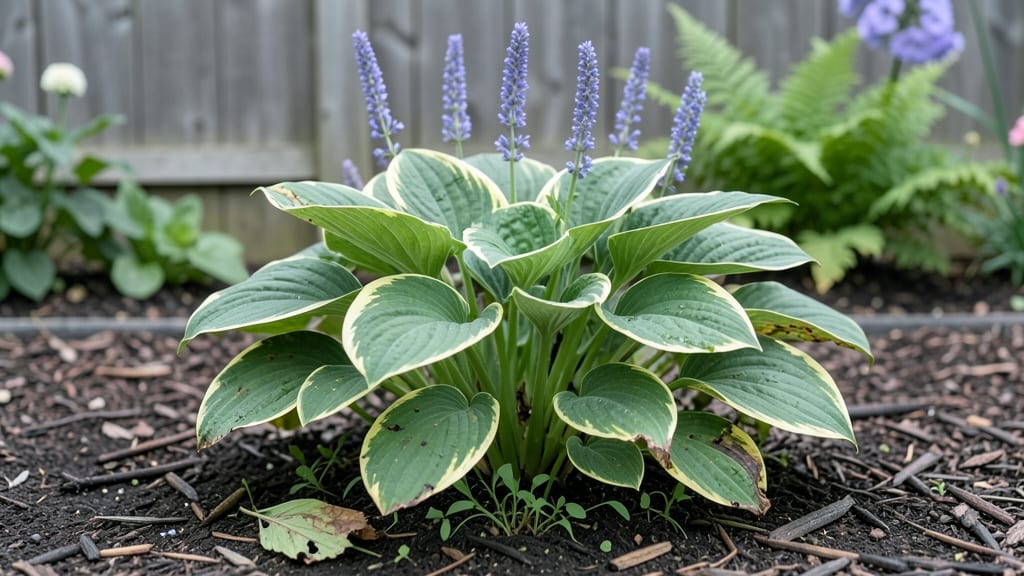
Hosta plants are toxic to pets and children because their leaves contain saponins and alkaloids, which can trigger vomiting, diarrhea, and lethargy if chewed or swallowed. Always keep them out of reach and watch for signs of exposure.
These plants are particularly risky for curious pets like cats and dogs, whose smaller size means even small bites can cause noticeable symptoms. 🐾 The saponins create a soapy foam when chewed, which can irritate mouths and stomachs, while alkaloids disrupt normal digestion.
I’ve seen cases where pets develop drooling or loss of appetite after nibbling hosta leaves—always act fast if you suspect ingestion by calling a vet immediately.
For gardeners with kids or pets, consider placing hostas in raised beds or behind fences where they’re less accessible. Non-toxic alternatives like coleus or heuchera offer similar shade-loving foliage without the risks. If you love hostas but worry about safety, try growing them in containers that pets can’t reach.
💡 In This Article
- Toxic Compounds in Hosta Leaves: What Makes Them Dangerous
- Safe Gardening Practices with Hosta Plants Around Pets and Kids
Toxic compounds in hosta leaves: what makes them dangerous
Hosta leaves contain two primary toxic compounds: saponins (up to 0.5% dry weight) and alkaloids (like hostasine and hostalide). Saponins create a soapy foam when chewed, irritating the mouth and digestive tract.
Alkaloids disrupt nerve signals, causing muscle weakness and depression. Together, they trigger gastrointestinal distress and neurological symptoms in sensitive animals and children.
The severity depends on ingestion amount: 1-2 leaves may cause mild drooling or vomiting in pets, while 5+ leaves can lead to lethargy or weakness. Cats are especially vulnerable due to their smaller size—just 0.5 ounces of leaf material could affect a 10-pound cat.
The compounds' bitter taste often deters humans, but pets may still nibble out of curiosity.
Here's what happens chemically: Saponins bind to cell membranes, increasing permeability and causing fluid loss. Alkaloids inhibit acetylcholine, a neurotransmitter critical for muscle function. This explains why pets often show excessive salivation (from mouth irritation) followed by stomach upset (from digestive irritation).
The effects typically resolve within 24-48 hours with supportive care.
Pets are more vulnerable than humans because their digestive systems are more sensitive to plant toxins. A child's smaller body weight means even small amounts can have outsized effects.
For example, a 50-pound dog might tolerate 5 leaves better than a 10-pound cat, which could show symptoms from just 2 leaves. Always monitor pets closely after exposure.
Interestingly, hosta toxicity varies by cultivar—some varieties like 'Blue Angel' contain slightly higher saponin levels than 'Francee'. The compounds are most concentrated in leaves, with stems containing lower amounts.
This is why pets often target leaves during grazing. For gardeners, this means keeping all parts of the plant inaccessible to curious animals.
If ingestion occurs, immediate action is critical. Rinse the mouth with water to remove plant residue, then contact a vet. Never induce vomiting without professional guidance—some cases require activated charcoal to bind the toxins. The key is acting fast before the compounds fully absorb into the bloodstream.