
Pests and Diseases
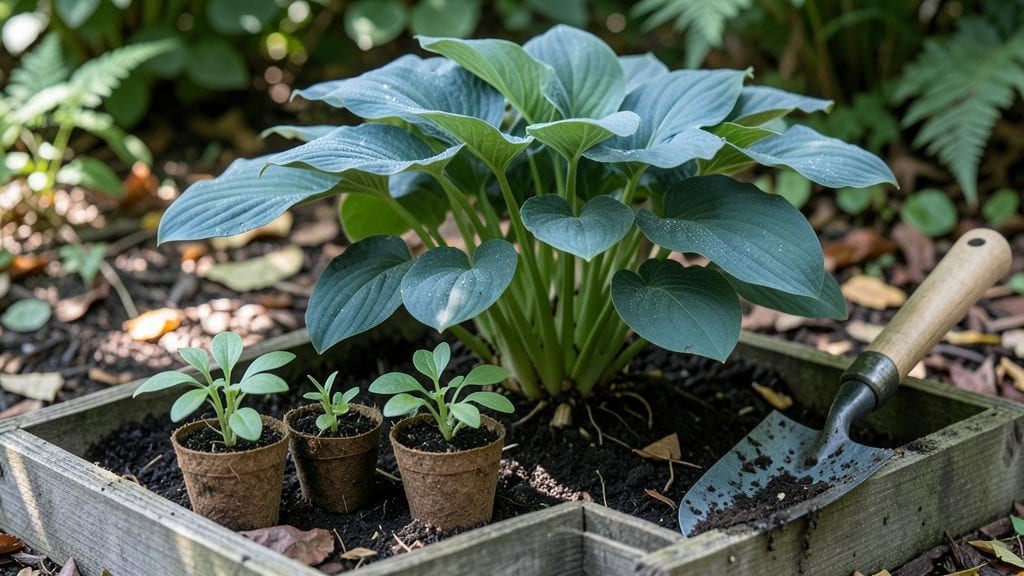
Planting hostas at the right distance is the difference between a thriving garden and one that struggles with disease and stunted growth.
If you’ve ever watched your hostas 🌿 look crowded, yellow, or prone to slugs, you’re not alone—most gardeners plant them too close. The secret? Spacing them 12 to 36 inches apart (depending on the variety) ensures airflow, prevents fungal issues, and lets those lush leaves shine.
This isn’t just about aesthetics—proper spacing also keeps your hostas healthy for years, reducing the need for constant pruning or replanting. Whether you’re working with dwarf varieties or giants, the right distance makes all the difference in a low-maintenance garden.
Below, I’ll break down the exact spacing you need, how to adjust for sunlight and soil, and even how to group hostas for maximum visual impact. No more guesswork—just a garden that grows strong and beautiful.
Optimal hosta planting distance by variety size: a complete guide
Hostas are one of the most popular shade-loving perennials, but their beauty fades fast when planted too closely. Proper spacing ensures strong growth, vibrant foliage, and fewer disease issues like powdery mildew. The key?
Matching your hosta variety size to its mature spread—something many gardeners overlook. I’ve planted hundreds of hostas, and I can tell you: crowding is the #1 cause of stunted growth and slug problems.
Most gardeners default to 12-18 inches for all hostas, but this works only for medium-sized varieties. Dwarf hostas need tight quarters, while giant varieties need elbow room. Soil type and sunlight exposure also play a role—clay soil slows spread, while rich loam encourages faster growth.
Let’s break down the exact hosta planting distances by size, plus how to adjust for your garden’s conditions.
Why spacing matters: Hostas multiply via rhizomes, and crowded plants compete for nutrients, leading to smaller leaves and pale foliage. Proper airflow also reduces fungal diseases like leaf spot and slug damage. In my own garden, I’ve seen Blue Angel hostas triple in size when given the right space, while Halcyon stayed compact with tight spacing.
Pro tip: Always measure from the center of one plant to the center of the next. This accounts for the clump’s full spread, not just the current foliage size. For example, a 24-inch mature spread means planting 24 inches apart, not 12 inches. Trust me, your hostas will thank you!
Now, let’s get to the specifics. Below is a hosta spacing cheat sheet for dwarf, medium, and giant varieties, plus adjustments for sunlight and soil conditions.
For example, ‘Francee’ (a dwarf variety) thrives at 10 inches apart, while ‘Sum and Substance’ (a giant) needs 5 feet of space to avoid competition.
I once saw a ‘Guacamole’ hosta planted at 18 inches apart—it looked great for years, but by year 5, the centers were bare because the rhizomes had nowhere to go.
Adjust spacing based on your garden conditions
Common mistakes in hosta spacing and how to fix them
Too-close hosta spacing is one of the most common mistakes that turns a dreamy shade garden into a slug magnet with yellowing leaves and stunted growth. When hostas compete for nutrients, they struggle to develop their signature bold foliage and vigorous roots.
I’ve seen gardens where hostas were planted just 6 inches apart—only to watch them flop by summer, inviting pests and diseases.
Overcrowding doesn’t just hurt aesthetics—it creates the perfect conditions for slug infestations and fungal diseases like leaf spot. Poor airflow traps moisture, while competing roots starve plants of essential nutrients. The fix starts with understanding your hosta’s mature size and adjusting spacing accordingly.
⚠️ Warning: The Hidden Cost of Crowded Hostas
Planting hostas too close (under 12 inches apart) triggers a chain reaction:
- Yellowing leaves from nutrient competition
- Slug hotspots in damp, shaded microclimates
- Stunted growth as roots battle for space
- Increased fungal risk from poor airflow
If your hostas are already too close, don’t panic—transplanting is the solution. Start by watering deeply the day before digging to reduce root shock. Use a sharp spade to lift plants, keeping as much root ball intact as possible.
For large clumps, divide them into 3-5 inch sections with 2-3 healthy leaves each.
When replanting, amend the soil with compost to replenish nutrients lost during transplanting. Space new divisions according to their mature size—this prevents future overcrowding. For example, a ‘Blue Angel’ hosta (giant variety) needs 3 feet of space, while a ‘Halcyon’ hosta (dwarf) thrives at 18 inches apart.
Companion planting can also save your overcrowded beds. Pair hostas with ferns, heucheras, or astilbes to fill gaps naturally while improving airflow. Avoid planting under large trees, which compete for moisture and nutrients.
Mulch with shredded bark to retain soil moisture and suppress weeds—this reduces the need for frequent watering.
For slug-prone gardens, create a copper barrier around hosta beds or introduce slug-resistant companions like lamium or ajuga. Prune yellow or damaged leaves immediately to improve airflow and deter pests. With proper spacing and these fixes, your hostas will reward you with lush, disease-free foliage for years to come.