
Planting
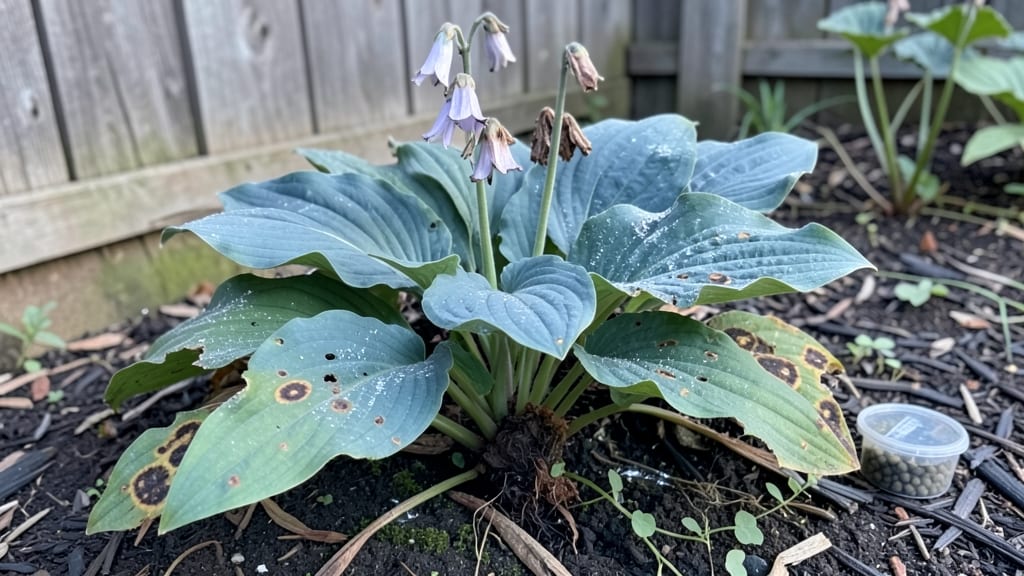
Identifying the right hosta plant problems—from slugs to soggy soil—can turn a dying hosta into a thriving one with just a few tweaks. 🌿 I’ve nursed back more hostas than I’d like to admit, and the fixes are quicker than you’d expect once you know what to look for.
The good news? Most hosta problems have simple solutions—like removing slugs by hand at dusk, improving drainage with a quick soil check, or applying neem oil for fungal spots.
No need for fancy tools or expensive treatments. A few minutes of attention now can turn a struggling plant into a lush, vibrant centerpiece by next week.
You’ll learn to spot the early warning signs—chewed edges, brown spots, or leaves that droop like wet paper—and how to tackle each issue before it spreads. The key is acting fast, and I’ll walk you through the exact steps that work, even for hostas that looked hopeless.
Whether it’s your first hosta or your tenth, these fixes work for every variety and garden setup. Let’s get those leaves looking healthy again—without the guesswork.
Root Causes Behind Hosta Struggles
Hostas are prized for their lush foliage and adaptability, but even these hardy plants can fall victim to stress. Understanding the why behind common hosta problems—like yellowing, wilting, or pest invasions—helps you address the real issues, not just the symptoms.
Let’s break down the science behind what’s making your hostas unhappy.
Hostas thrive in moist, well-draining, slightly acidic soil (pH 6.5–7.5). When soil conditions stray from this ideal, problems arise:
- Compacted or clay-heavy soil restricts root oxygen flow, leading to root rot or stunted growth. Roots suffocate, causing leaves to yellow or wilt.
- Poor drainage (e.g., soggy soil) triggers Phytophthora root rot, a fungal disease that attacks roots, turning them black and mushy.
- Nutrient deficiencies (like low nitrogen or magnesium) show up as yellowing leaves or weak stems. For example, chlorosis (yellow patches between veins) often signals magnesium deficiency in alkaline soils.
Pro Tip: Test your soil’s pH and drainage—amend with compost or organic matter to improve structure. Never let hostas sit in waterlogged soil!
Hostas are shade-lovers, but they’re not immune to environmental shocks. Extreme conditions disrupt their natural rhythms:
- Too much sun (especially afternoon rays) causes sunburn, turning leaves brown or crispy. Hostas in full sun may also dry out, leading to edge browning.
- Temperature swings (frost or heatwaves) stress plants. Sudden cold snaps can cause freeze damage, while extreme heat (above 90°F) leads to leaf scorch or wilting.
- Wind exposure dries out leaves faster than roots can replace moisture, causing desiccation (brown, papery edges).
Pro Tip: Mulch with 3–4 inches of organic mulch (like shredded bark) to insulate roots and retain moisture. Choose a protected spot—even in shade gardens, avoid windy areas.
Hostas are a buffet for pests and pathogens. Here’s how they exploit weaknesses:
| Problem | Why It Happens | Visual Clues |
|---|---|---|
| Slugs & Snails | These mollusks thrive in humid, shady conditions and feast on tender hosta leaves, leaving ragged holes or skeletonized foliage. | Slime trails, chewed edges, holes in leaves. |
| Aphids | These sap-sucking insects cluster on new growth and excrete honeydew, which attracts sooty mold. They weaken plants by robbing nutrients. | Sticky residue, curled leaves, tiny green/black bugs. |
| Fungal Diseases (e.g., Leaf Spot) | Fungi like Alternaria or Septoria spread in wet, humid conditions. They infect leaves through wounds or spores, blocking water flow and causing brown spots with yellow halos. | Spots with dark edges, leaf drop, white powdery growth (if powdery mildew). |
| Nematodes | Microscopic worms in poorly drained soil burrow into roots, causing galling (lumpy roots) and stunted growth. Plants may wilt even when soil is moist. | Stunted growth, yellowing, roots with small knots. |
Pro Tip: Prevent pests with copper tape barriers (for slugs) or neem oil sprays (for aphids). Remove infected leaves immediately to stop fungal spread.
Now that you know the root causes (literally!), you’re ready to tackle hosta problems with precision. The next step? Diagnose and Fix—we’ve got actionable remedies for every issue.
Quick Fixes for Common Hosta Issues
Now that you know what’s causing your hosta’s distress, it’s time to take action! These practical, step-by-step solutions will help revive your plants and keep them thriving.
Whether it’s yellow leaves, wilting foliage, or pesky pests, we’ve got you covered with easy fixes and prevention tips to restore your hostas to their lush, green glory.
🔥 Step 1: Check the Soil Moisture Overwatering is a sneaky culprit—hostas prefer consistently moist (not soggy) soil. Stick your finger 1-2 inches deep into the soil. If it’s damp, hold off on watering. If it’s bone-dry, you’ve been underwatering (which can also cause yellowing).
🍳 Step 2: Adjust Your Watering Routine
- Morning watering is best—it reduces fungal risks and lets leaves dry quickly.
- Water at the base, not overhead, to prevent leaf spots.
- Use well-draining soil: Amend clay-heavy soil with compost or perlite to improve aeration.
👨🍳 Step 3: Feed Your Hostas Yellowing can also mean nutrient hunger, especially for nitrogen (for leaves) or iron (for chlorosis).
- Quick fix: Sprinkle balanced fertilizer (10-10-10) around the base and water it in.
- For chlorosis (yellow between veins): Use an iron supplement like iron chelate or apply Epsom salt (1 tbsp per gallon of water) every 4-6 weeks.
🥘 Step 4: Prune the Damage Snip off yellowed or mushy leaves with clean, sharp scissors to redirect energy to healthy growth.
✨ Prevention Tip:
- Mulch with 2-3 inches of organic matter (like shredded bark) to retain moisture without suffocating roots.
- Test your soil’s pH (hostas love 6.0-7.5). Adjust with lime (to raise pH) or sulfur (to lower pH) if needed.
🔥 Step 1: Deep Water Immediately Wilting often means thirsty roots. Water slowly and deeply until the soil is evenly moist 6 inches down. A soaker hose or drip irrigation works best to avoid runoff.
🍳 Step 2: Improve Soil Drainage If your hostas wilt even after watering, compacted soil may be blocking roots.
- Aerate the soil by gently forking it around the plant (be careful not to damage roots).
- Add compost or coarse sand to heavy clay soils to boost drainage.
👨🍳 Step 3: Check for Root Rot or Pests
- Lift the plant and inspect roots for mushy, dark spots (rot) or chewed roots (slugs/voles).
- For rot: Trim affected roots with sterilized scissors, replant in fresh soil, and avoid overwatering.
- For pests: Set beer traps or use iron phosphate bait for slugs.
🥘 Step 4: Provide Shade & Recovery Time Wilting can stress hostas. Move them to partial shade (especially in hot afternoons) and avoid fertilizing until they perk up.
🌡️ Prevention Tip:
- Group hostas with other shade-loving plants to create a microclimate that retains moisture.
- Water deeply 2-3 times per week (adjust for rain) rather than daily shallow watering.
🔥 Step 1: Manual Removal (Best for Slugs/Snails)
- Go slug hunting at dusk with a flashlight—look under leaves and mulch.
- Drop them in soapy water (cruel but effective!).
- Handpick aphids with a spray of soapy water (1 tsp mild soap per quart of water).
🍳 Step 2: Natural Barriers & Traps
- Copper tape around pots creates a slug-proof barrier (they hate the electric shock!).
- Crushed eggshells or diatomaceous earth around the base deters pests (reapply after rain).
- Beer traps: Bury a shallow dish filled with beer—slugs crawl in and drown.
👨🍳 Step 3: Encourage Predators
- Ladybugs, birds, and frogs love munching on aphids. Plant marigolds or dill nearby to attract them.
- Release beneficial nematodes (microscopic worms) in the soil to combat grubs.
🥘 Step 4: Chemical-Free Sprays (For Stubborn Infestations)
- Neem oil spray: Mix 1 tbsp neem oil + 1 tsp mild soap + 1 quart water. Spray every 5-7 days until pests vanish.
- Garlic spray: Blend 1 garlic bulb + 1 quart water, strain, and spray on leaves.
🎯 Prevention Tip:
- Water in the morning so leaves dry quickly (slugs love dampness).
- Remove debris (like boards or thick mulch) where pests hide.
- Plant hostas in raised beds if slugs are a recurring issue.
Keep these pro tips in mind to prevent future problems:
- Divide every 3-4 years to prevent overcrowding (which stresses roots).
- Avoid overhead watering to reduce fungal diseases like leaf spot.
- Rotate plants occasionally so all sides get even sunlight.
- Monitor for powdery mildew (white fuzzy coating)—treat with baking soda spray (1 tbsp baking soda + 1 quart water + a drop of soap).
With these targeted fixes, your hostas should bounce back in no time! 🌿💚 Whether it’s a quick water adjustment, a pest patrol, or a nutrient boost, your plants will thank you with vibrant, healthy foliage all season long.
Frequently asked questions
Why do my hosta leaves turn yellow in the middle?
Yellowing between veins (chlorosis) usually means your hosta lacks magnesium or iron. This often happens in alkaline soils (pH above 7.5). Try applying Epsom salt (1 tbsp/gallon of water) every 4-6 weeks or use an iron chelate fertilizer. Test your soil pH to confirm—hostas prefer 6.0-7.5.
How do I get rid of slugs eating my hosta leaves?
Start with manual removal at dusk—look under leaves and mulch. Set up beer traps (bury a shallow dish filled with beer) or create barriers with copper tape (slugs hate the electric shock). For stubborn infestations, sprinkle diatomaceous earth around the base (reapply after rain).
Can hostas survive in full sun?
Hostas prefer partial shade (4-6 hours of sun max). In full sun, their leaves can develop brown edges (sunburn) or dry out. If you must plant them in sunny spots, choose heat-tolerant varieties like 'Francee' or 'Halcyon' and ensure consistent moisture. Mulch heavily to protect roots from heat stress.
What’s the best way to fix mushy, rotting hosta leaves?
Mushy leaves often signal overwatering or fungal disease. Trim affected leaves with sterilized scissors and improve drainage by amending soil with compost or perlite. Water only when the top 1-2 inches of soil are dry. For fungal issues, spray with neem oil (1 tbsp/quart of water) every 7 days until leaves recover.
How often should I divide my hostas?
Divide hostas every 3-4 years in early spring or fall to prevent overcrowding. Overcrowded plants stress easily and attract pests. Dig up the clump, separate the crowns (each should have roots and leaves), and replant in fresh soil. This also rejuvenates growth and reduces slug problems.